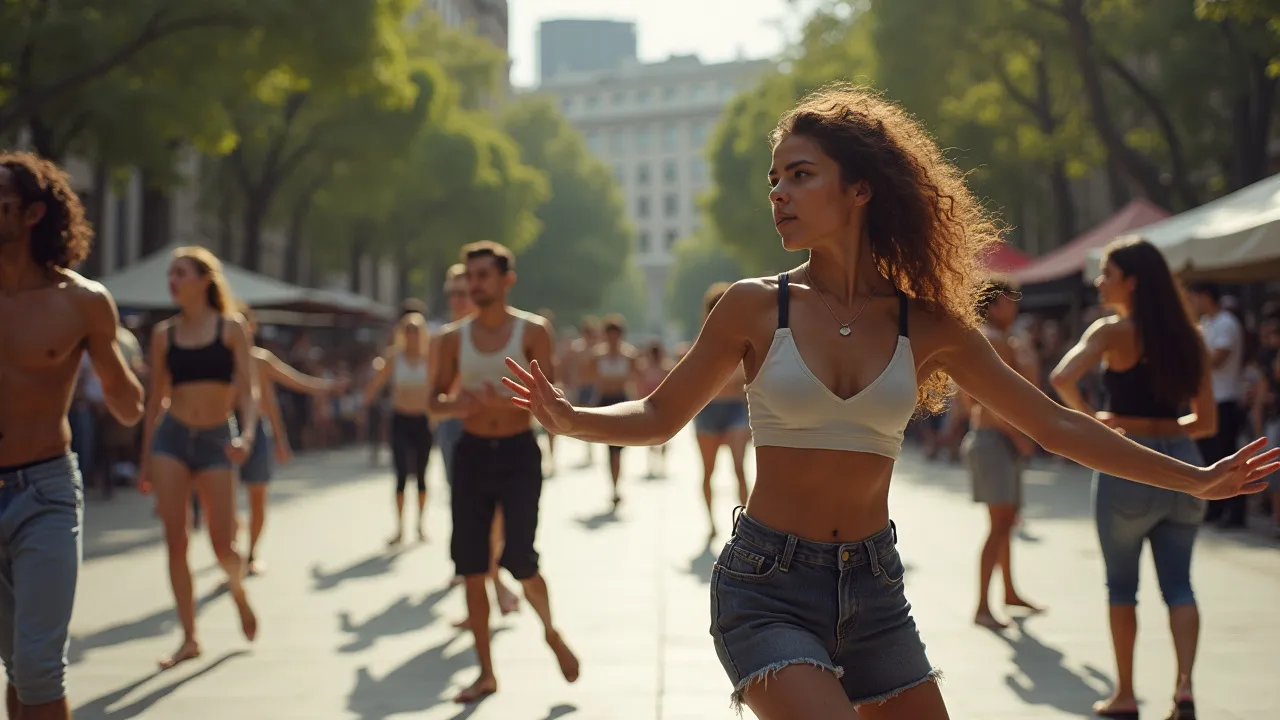
International Dance Day, celebrated on April 29th, is a global observance promoting the art of dance. Established by UNESCO's International Dance Committee in 1982, it honors dance's universal appeal and cultural significance.
The Historical Origins & Evolutionary Journey
International Dance Day, observed annually on April 29th, is a global celebration of dance as an art form, a cultural expression, and a universal language. Its origins trace back to the International Dance Committee (CID) of UNESCO, which established the day in 1982 to honor the birthday of Jean-Georges Noverre (1727-1810), the creator of modern ballet. Noverre's revolutionary ideas transformed dance from mere spectacle into a serious theatrical art, emphasizing narrative and emotion.
The Foundational Catalyst
The idea for an international dance day was first proposed by the CID in 1981. The date of April 29th was chosen to coincide with Noverre's birthday because of his immense influence on dance. The first official celebration took place in 1982, with events coordinated by the CID and participating organizations worldwide. The goal was to incite participation and education in dance across all cultures, breaking down political, ethnic, and social barriers.
The Legislative/Official Adoption
Since its inception, International Dance Day has been recognized by UNESCO and celebrated in over 200 countries. Each year, the CID selects a prominent dance personality to write the official message for the day, which is disseminated globally. Notable message authors include Mikhail Baryshnikov, Merce Cunningham, and Pina Bausch. The day also features the UNESCO Dance Day Gala, held at the UNESCO headquarters in Paris, showcasing diverse dance forms from around the world.
Modern Global Legacy
Today, International Dance Day has evolved into a multifaceted observance. It is celebrated through performances, workshops, flash mobs, and educational programs. The day emphasizes dance's role in health, wellness, and community building. It also serves as a platform to address issues such as cultural preservation, gender equality, and the rights of dancers. The digital age has expanded its reach, with virtual events and social media campaigns like #DanceDay generating global participation.
How to Celebrate International Dance Day
International Dance Day offers countless ways to engage with dance, whether you are a professional dancer or a complete beginner. Below are actionable strategies for individuals, schools, and organizations to celebrate meaningfully.
For Individuals
- Take a Dance Class: Attend a free trial class at a local studio or follow online tutorials for styles like salsa, hip-hop, or contemporary.
- Host a Dance Party: Invite friends and family for a themed dance night at home, including learning a simple choreography together.
- Watch Performances: Stream recorded dance performances from the world's leading companies via platforms like YouTube or the CID website.
- Share Your Passion: Post a video of yourself dancing on social media using #InternationalDanceDay to connect with the global community.
For Schools and Community Centers
- Organize Workshops: Invite local dance teachers to conduct introductory sessions in various styles, from ballet to traditional folk dances.
- Flash Mobs: Plan a public flash mob in a high-traffic area, with participants rehearsing a simple routine to surprise and delight onlookers.
- Cultural Showcase: Create a stage event featuring dance groups representing diverse cultures, accompanied by educational talks about the history of each form.
For Organizations and Companies
- Dance Break: Incorporate a 10-minute dance break into the workday to boost morale and physical activity.
- Sponsor a Gala: Partner with local dance companies to fund a special performance or charity event.
- Online Campaigns: Launch a social media challenge encouraging employees to share their best dance moves, with donations to dance education programs per post.
Different countries have unique traditions. In India, classical dance forms like Bharatanatyam are highlighted through temple performances. In Brazil, samba and capoeira workshops are popular. In Japan, butoh and contemporary dance festivals take place. Always respect local customs and ensure inclusive participation.
Global Impact & Societal Themes
International Dance Day transcends mere celebration; it drives social change. Dance is a powerful tool for health: regular dancing improves cardiovascular fitness, coordination, and mental well-being. The day promotes dance therapy, used in rehabilitation for trauma and neurological disorders. Culturally, it helps preserve endangered dance traditions by encouraging intergenerational transmission. Economically, it boosts tourism and local arts economies through festivals and performances. The day also champions inclusivity, with initiatives like wheelchair dance and sign language interpretations making dance accessible to all.
Industry Transformations & Dance in the Digital Age
The dance industry has undergone radical changes thanks to technology. Virtual reality and motion capture are creating new choreographic possibilities. Online learning platforms have democratized dance education, allowing anyone to learn from world-renowned instructors. Social media has launched careers via viral dance challenges, but also raises concerns about copyright and fair compensation for choreographers. International Dance Day now includes digital components like live-streamed galas and VR dance experiences, ensuring the art form evolves while staying rooted in tradition.
Famous Personalities & Their Contributions
Many iconic dancers and choreographers have shaped the course of dance history, and their contributions are honored on International Dance Day. Martha Graham revolutionized modern dance with her technique and emotional depth. Mikhail Baryshnikov brought ballet to new audiences with his cross-genre collaborations. Pina Bausch created Tanztheater, fusing dance and theater. Alvin Ailey celebrated African American cultural heritage through dance. Each year's official message often reflects the legacies of these pioneers, inspiring new generations to explore the art form.
Educational Resources & Curriculum Integration
Schools can integrate dance into curricula using International Dance Day as a catalyst. Lesson plans may include:
- History of Dance: Study key periods like Romantic ballet or postmodern dance.
- Dance and Mathematics: Explore patterns, symmetry, and rhythm in choreography.
- Cultural Studies: Learn dances from different countries and their cultural contexts.
- Physical Education: Incorporate dance as a fun form of exercise.
Future Directions & Challenges
As dance continues to evolve, International Dance Day faces challenges such as funding cuts for arts programs and the need for equitable representation. Future directions include leveraging augmented reality for immersive performance, advocating for dancers' mental health, and using dance as a medium for climate change awareness. The day serves as a call to action for governments and communities to support dance as an essential aspect of human expression.
Historical Timeline
Jean-Georges Noverre, father of modern ballet, is born. His reforms emphasized dramatic expression over decorative steps.
Noverre publishes 'Letters on Dancing and Ballets', outlining his principles for ballet d'action, which later influence the creation of International Dance Day.
The International Dance Committee (CID) proposes an annual World Dance Day to UNESCO, suggesting April 29th in honor of Noverre's birthday.
The first International Dance Day is celebrated globally. The CID releases the first official message, written by dance critic and historian Horst Koegler.
The CID launches the annual tradition of a celebrity message. The first is by dancer and choreographer Merce Cunningham.
International Dance Day gains official recognition from UNESCO, becoming part of its cultural calendar.
The event expands to include online components, with live-streamed galas and virtual workshops reaching wider audiences.
The United Nations Educational, Scientific and Cultural Organization (UNESCO) uses the day to promote dance education in conflict zones.
Due to the COVID-19 pandemic, celebrations pivot to digital platforms, with #DanceAtHome campaigns and virtual dance-offs.
International Dance Day highlights dance therapy, with the theme 'Dance for Mental Health' featuring collaborations with wellness organizations.