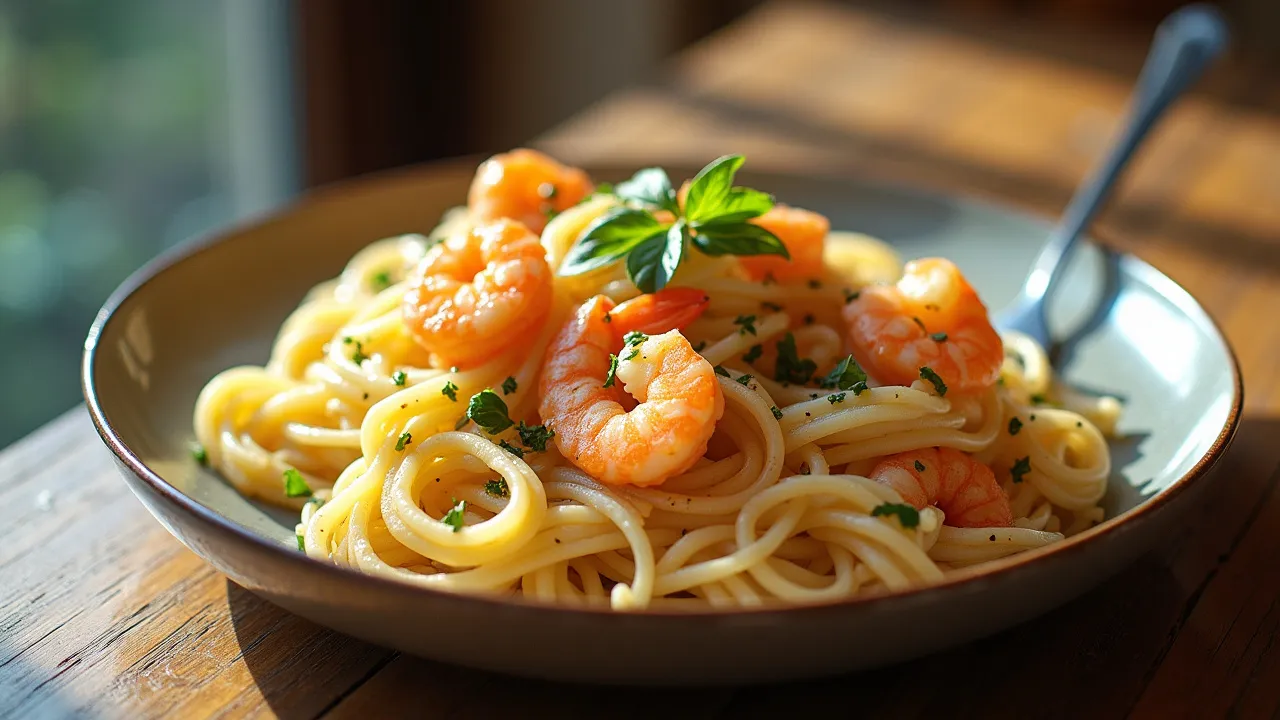
National Shrimp Scampi Day, celebrated on April 29th, honors the classic Italian-American dish of succulent shrimp sautéed in garlic butter and white wine. This day encourages seafood lovers to indulge in rich, buttery flavors and explore variations of the beloved recipe.
The Historical Origins & Evolutionary Journey
Shrimp scampi is a dish that embodies the fusion of Italian culinary tradition with American innovation. The term "scampi" originally referred to a type of small lobster or langoustine in Italian cuisine, typically prepared with garlic, butter, and white wine. When Italian immigrants arrived in the United States, they adapted this preparation using readily available shrimp, giving birth to what is now known as shrimp scampi. National Shrimp Scampi Day emerged as a way to celebrate this beloved dish and its cultural significance.
The Foundational Catalyst
The dish gained widespread popularity in the mid-20th century, particularly after World War II, when returning soldiers brought back a taste for Italian flavors. Shrimp scampi became a staple in Italian-American restaurants, known for its simplicity and richness. The first recorded recipe in the United States appeared in cookbooks from the 1950s, often featuring frozen shrimp as a convenient substitute for fresh langoustine.
The Legislative/Official Adoption
While there is no official legislative act designating April 29th as National Shrimp Scampi Day, the date was chosen by seafood industry groups and culinary enthusiasts to promote the consumption of shrimp and celebrate the versatility of scampi sauce. The day is recognized by organizations such as the National Fisheries Institute and various food holidays calendars. It has been observed informally since the early 2000s, gaining traction through social media and food blogs.
Modern Global Legacy
Today, shrimp scampi is enjoyed worldwide, with regional variations that include additions like sun-dried tomatoes, capers, or a splash of lemon. The dish's popularity has led to a thriving market for frozen scampi kits and restaurant-branded sauces. National Shrimp Scampi Day serves as a platform for culinary education, highlighting sustainable seafood sourcing and the economic impact of the shrimp industry, which accounts for over 90% of seafood consumed in the United States.
How to Celebrate National Shrimp Scampi Day
Celebrating National Shrimp Scampi Day can be a delicious and educational experience. Whether you are a home cook, a restaurant owner, or a seafood enthusiast, there are many ways to join the festivities.
Individual Celebration Ideas
- Cook from Scratch: Prepare authentic shrimp scampi using fresh shrimp, garlic, white wine, butter, and lemon. Experiment with whole wheat pasta or gluten-free alternatives.
- Host a Shrimp Scampi Party: Invite friends and family for a themed dinner. Offer a build-your-own scampi bar with toppings like capers, red pepper flakes, and Parmesan.
- Support Local Seafood: Purchase shrimp from sustainable sources. Look for certifications like ASC or MSC to ensure responsible fishing.
School and Community Activities
- Cooking Classes: Organize a virtual or in-person class teaching kids how to make simple scampi. Emphasize kitchen safety and nutrition.
- Seafood Awareness Campaigns: Collaborate with local fisheries to educate about the life cycle of shrimp and the importance of sustainable harvesting.
Corporate and Social Media Rituals
Businesses can celebrate by offering special discounts on shrimp scampi dishes or launching limited-edition sauces. On social media, use the hashtag #NationalShrimpScampiDay to share recipes and photos. Restaurants often feature their unique twists on the classic, such as scampi tacos or scampi-stuffed mushrooms.
Global traditions vary: In Italy, scampi is prepared with langoustine and served as a starter. In the United States, it is often a main course with pasta or rice. In parts of Asia, shrimp scampi is adapted with local spices like ginger and chili. Regardless of the variation, the day emphasizes the joy of shared meals.
The Economic and Environmental Impact of Shrimp Scampi
Shrimp scampi is more than just a dish; it represents a multi-billion-dollar industry. The United States imports over 1.5 billion pounds of shrimp annually, much of which is used for scampi. This demand has significant economic and environmental implications.
Economic Contributions
- Job Creation: The shrimp industry employs thousands in fishing, processing, and distribution. National Shrimp Scampi Day boosts sales for restaurants and retailers.
- Trade Balances: Major exporters include India, Ecuador, and Vietnam. The day underscores the importance of fair trade practices and supply chain transparency.
Environmental Challenges
Overfishing and habitat destruction are pressing concerns. Sustainable practices, such as aquaculture improvement projects and pole-and-line fishing, are promoted on this day. Consumer choices matter: opting for wild-caught or eco-certified shrimp can reduce environmental harm.
Several organizations use April 29th to launch awareness campaigns about bycatch reduction and mangrove conservation, which are critical for shrimp ecosystems.
Culinary Variations and Innovations
While classic shrimp scampi is beloved, chefs have created countless variations that reflect global tastes and dietary needs.
Regional Twists
- Italian-Style: Uses langoustine, olive oil instead of butter, and a light tomato sauce.
- American-Style: Heavy on butter, garlic, and lemon, often over linguine.
- Asian Fusion: Incorporates soy sauce, ginger, and sesame oil, served with rice noodles.
Dietary Adaptations
- Keto/Paleo: Substitute pasta with zucchini noodles or cauliflower rice.
- Dairy-Free: Use vegan butter or extra olive oil.
- Low-Sodium: Reduce added salt and use fresh herbs.
Innovations like air-fried scampi and scampi dip have also emerged, making the dish accessible for different occasions. National Shrimp Scampi Day encourages experimentation while honoring the core flavors.
Nutritional Profile and Health Considerations
Shrimp is a low-calorie, high-protein seafood rich in selenium, vitamin B12, and omega-3 fatty acids. However, shrimp scampi can be high in butter and sodium. This section explores the balance.
Health Benefits
- Protein Rich: A 3-ounce serving provides about 20 grams of protein.
- Antioxidants: Selenium supports immune function and thyroid health.
- Omega-3s: Essential for heart and brain health.
Moderation Tips
To make the dish healthier, use less butter, add more garlic and lemon, and serve with whole grains. Avoid breaded shrimp to reduce calories. For those with shellfish allergies, mock scampi using chicken or tofu can be a substitute.
National Shrimp Scampi Day also highlights the importance of awareness about shellfish allergies and cross-contamination in restaurants.
Media and Cultural Representation
Shrimp scampi has appeared in films, television shows, and literature as a symbol of comfort and sophistication. In the popular sitcom Frasier, shrimp scampi was a recurring theme for romantic dinners. Food shows like MasterChef often feature it as a challenge, testing chefs' ability to balance flavors.
On National Shrimp Scampi Day, media outlets publish special segments and interviews with chefs. Social media influencers create viral tutorials, and the dish is often featured on cooking competition shows. This cultural presence cements the day's place in foodie tradition.
Historical Timeline
Shrimp scampi recipes appear in American cookbooks, replacing traditional langoustine with readily available shrimp.
National Shrimp Scampi Day is informally established, promoted by seafood industry groups and food bloggers.
Social media hashtag #NationalShrimpScampiDay gains traction, with thousands of posts on Instagram and Twitter.
Seafood sustainability campaigns begin aligning with the day, encouraging consumers to choose eco-certified shrimp.
The day features a record number of restaurant promotions and home-cooking challenges amid the global pandemic recovery.