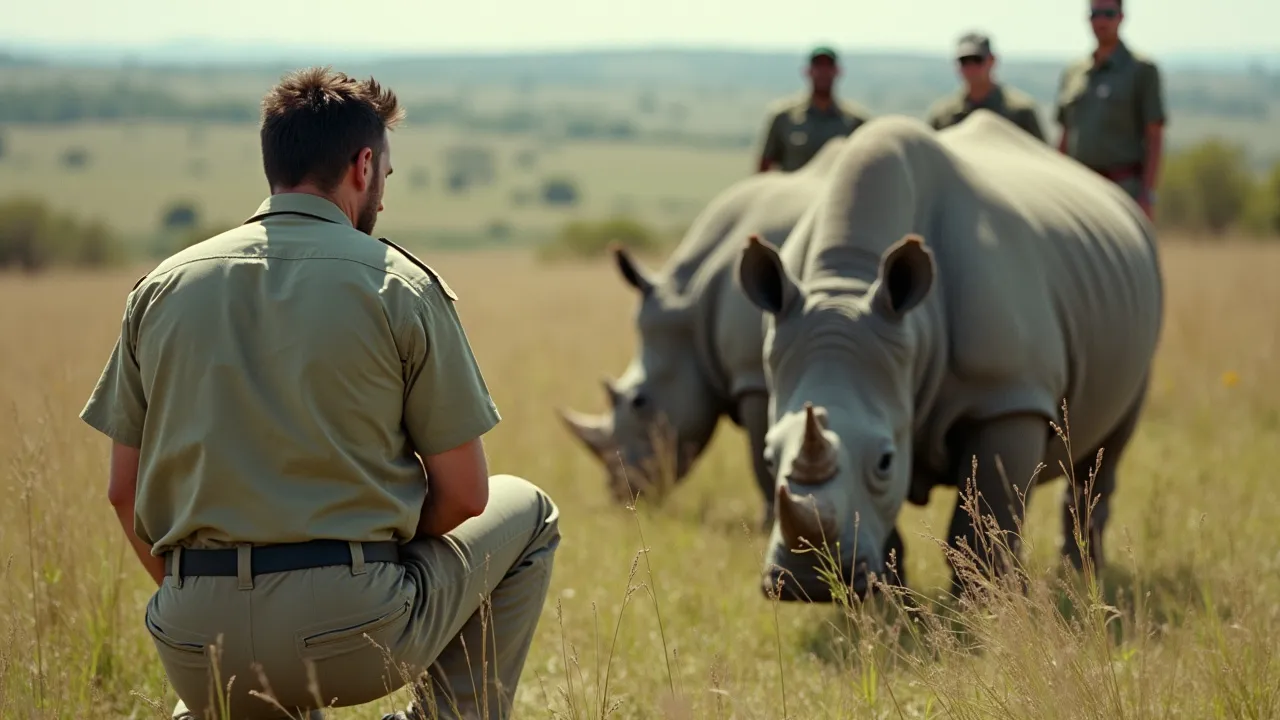
World Wildlife Day, observed on March 3rd, celebrates the planet's wild animals and plants while raising awareness about the urgent need to combat wildlife crime and habitat loss. Join the global movement to protect biodiversity.
The Historical Origins & Evolutionary Journey
World Wildlife Day was established by the United Nations General Assembly on December 20, 2013, at its 68th session, through resolution A/RES/68/205. The date, March 3rd, was chosen to commemorate the signing of the Convention on International Trade in Endangered Species of Wild Fauna and Flora (CITES) in 1973. This landmark treaty remains the cornerstone of global wildlife trade regulation.
The Foundational Catalyst
The push for a dedicated wildlife day originated from Thailand, which proposed the idea during the 16th meeting of the Conference of the Parties to CITES in Bangkok in 2013. The proposal aimed to galvanize public awareness and political will to address escalating threats such as poaching, habitat destruction, and illegal wildlife trafficking. The UN General Assembly unanimously adopted the resolution, recognizing the intrinsic value of wildlife and its contributions to sustainable development and human well-being.
The Legislative/Official Adoption
Following the UN resolution, the first official World Wildlife Day was celebrated on March 3, 2014. The CITES Secretariat was tasked with facilitating the global observance in collaboration with relevant UN organizations. Each year, a specific theme is chosen to focus efforts—for example, 'Forests and Livelihoods: Sustaining People and Planet' (2021) and 'Partnerships for Wildlife Conservation' (2023). These themes guide campaigns, events, and educational initiatives worldwide.
Modern Global Legacy
Since its inception, World Wildlife Day has grown into a major annual event. Governments, NGOs, zoos, schools, and individuals participate through workshops, film screenings, art contests, and social media campaigns. The day serves as a platform to highlight success stories—like the recovery of the giant panda from endangered to vulnerable—and to mobilize action against ongoing crises, such as the extinction crisis threatening over one million species. The observance reinforces the connection between wildlife conservation and the Sustainable Development Goals (SDGs), particularly SDG 14 (Life Below Water) and SDG 15 (Life on Land).
How to Celebrate World Wildlife Day
World Wildlife Day offers countless opportunities for individuals, communities, and organizations to contribute to wildlife conservation. Here is a definitive global guide to celebrating meaningfully.
Individual Actions
- Educate Yourself: Read books, watch documentaries (e.g., Our Planet, The Ivory Game), and follow reputable conservation organizations on social media.
- Reduce Your Footprint: Avoid products linked to deforestation (palm oil, soy) and illegal wildlife trade (ivory, rhino horn, exotic pets). Choose sustainable seafood and forest-friendly products.
- Report Crime: If you witness wildlife crime, report it to local authorities or via apps like Wildlife Witness (TRAFFIC).
- Donate or Fundraise: Support vetted charities such as the World Wildlife Fund (WWF), African Wildlife Foundation, or local rescue centers.
School and Youth Activities
- Organize a wildlife-themed art competition or essay contest.
- Host a virtual field trip to a national park or wildlife sanctuary using live webcams.
- Create a school garden with native plants to support local pollinators and birds.
- Invite a conservationist to speak about career opportunities in wildlife protection.
Organizational and Corporate Participation
- Employee Engagement: Offer paid volunteer days for habitat restoration or wildlife monitoring.
- Supply Chain Audits: Ensure procurement policies exclude products sourced from illegal wildlife trade.
- Public Campaigns: Launch social media initiatives using official hashtags like #WorldWildlifeDay and #DoOneThingToday.
- Partnerships: Collaborate with conservation groups on research or awareness programs.
Regional Variations
In the United States, World Wildlife Day is promoted by the U.S. Fish and Wildlife Service and often coincides with National Wildlife Week. In India, the day highlights tiger conservation and the country's 50 tiger reserves. In Kenya, community-led wildlife scouts organize educational walks in Maasai Mara. Australia focuses on endangered native species like the koala and bilby. Despite different approaches, the core message of protecting biodiversity unites all observances.
Global Impact of World Wildlife Day
World Wildlife Day has catalyzed significant global action. It provides a unified platform for governments, NGOs, and citizens to amplify conservation messaging. Since 2014, the day has directly contributed to policy shifts: for example, China's ban on ivory carving and domestic ivory trade in 2017 was bolstered by global campaigns around World Wildlife Day. The day also boosts funding—many organizations launch annual appeals linked to March 3rd, raising millions for anti-poaching patrols, habitat restoration, and species reintroduction programs.
Public Awareness and Education
Media coverage spikes around March 3rd, with newspapers, television, and social media featuring wildlife stories. Schools use the day to integrate environmental education into curricula. Social media campaigns reach billions, with celebrities like Jane Goodall, Leonardo DiCaprio, and David Attenborough lending their voices. The day's theme drives research and discussion—for instance, the 2022 theme 'Recovering Key Species for Ecosystem Restoration' prompted new studies on keystone species like sea otters and elephants.
Political and Economic Influence
World Wildlife Day is used to lobby for stronger laws. In the European Union, the day has been leveraged to push for stricter regulations on wildlife trade imports. In Africa, it reinforces the Lusaka Agreement Task Force’s work against wildlife crime. Economically, the day promotes ecotourism as a sustainable alternative to poaching. Countries like Costa Rica and Botswana report increased tourist interest following wildlife-themed events. The day also influences corporate social responsibility (CSR) policies, with companies adopting zero-deforestation and ethical sourcing commitments.
The Significance of Wildlife to Ecosystems and Humanity
Wildlife is not merely a collection of charismatic species—it is the very fabric of healthy ecosystems. Every animal and plant plays a role in maintaining balance. For instance, bees and other pollinators are responsible for 75% of the world's food crops. Sharks regulate marine food webs, preventing the collapse of fisheries. Forests, home to 80% of terrestrial biodiversity, absorb carbon dioxide and provide clean water.
Biodiversity and Ecosystem Services
The concept of ecosystem services—benefits humans derive from nature—underpins the importance of wildlife. These include provisioning (food, medicine), regulating (climate, pollination), supporting (nutrient cycling, soil formation), and cultural (recreation, spiritual enrichment). The monetary value of these services is estimated at $125 trillion annually, far exceeding global GDP. Yet, biodiversity loss threatens these services. World Wildlife Day underscores that protecting wildlife is not a luxury but a necessity for human survival.
Specific Contributions
- Seed Dispersal: Birds, bats, and primates help regenerate forests; without them, ecosystems degrade.
- Pest Control: Bats and spiders reduce crop pests, saving billions in pesticides.
- Medicinal Resources: Many drugs, including aspirin and quinine, derive from wild plants. Venom from cone snails is used in painkillers.
- Climate Regulation: Large herbivores like elephants maintain grasslands that sequester carbon.
Major Threats to Wildlife: A Comprehensive Overview
Despite conservation efforts, wildlife faces unprecedented threats. The primary drivers of biodiversity loss are often summarized by the acronym HIPPO: Habitat loss, Invasive species, Pollution, Population (human overpopulation), and Overharvesting. Each factor interacts with others, accelerating decline.
Habitat Destruction
Agriculture, mining, urbanization, and infrastructure projects destroy or fragment habitats. Tropical deforestation for palm oil, soy, and cattle ranching is especially devastating, wiping out critical rainforest ecosystems. Wetlands are drained for development, and oceans are damaged by bottom trawling and coastal construction. Habitat loss is the leading cause of species extinction.
Illegal Wildlife Trade
Poaching for ivory, rhino horn, pangolin scales, and exotic pets decimates populations. Despite CITES, illegal trade is a multi-billion dollar industry, often linked to organized crime. For example, around 20,000 elephants are killed annually for their tusks. The trade also spreads zoonotic diseases, as seen with COVID-19, which originated from wildlife markets.
Climate Change
Rising temperatures, altered precipitation, and extreme weather events push species beyond their tolerance limits. Coral reefs are bleaching, polar bears lose sea ice, and migratory patterns are disrupted. Many species cannot adapt quickly enough; the IPCC warns that 1.5°C warming could threaten 10% of species with extinction.
Pollution
Plastic debris entangles marine animals and is ingested by birds and fish. Pesticides and herbicides accumulate in food chains, poisoning top predators. Noise and light pollution interfere with animal communication and navigation. Chemical runoff creates dead zones in oceans and lakes.
Overexploitation
Overfishing has collapsed many fisheries; 34% of fish stocks are overfished. Unsustainable hunting for bushmeat threatens primates and ungulates. Collection of rare plants and animals for the pet trade further pressures vulnerable species.
Conservation Efforts: Success Stories and Ongoing Initiatives
Despite the dire situation, conservation works. World Wildlife Day showcases successes to inspire action. For instance, the black-footed ferret, once thought extinct, has been reintroduced to the wild through captive breeding and vaccination programs. The population has grown from 18 individuals to over 300.
Species Recovery Programs
- Giant Panda: China's conservation efforts, including habitat protection and captive breeding, upgraded the panda from 'endangered' to 'vulnerable' in 2021. Wild populations now exceed 1,800.
- Southern White Rhino: Intensive anti-poaching patrols and translocation created new populations in South Africa, increasing numbers from fewer than 100 in the early 20th century to over 18,000 today.
- California Condor: Captive breeding and lead ammunition bans raised numbers from 22 in 1982 to over 500 today.
Protected Areas and Community Conservation
Marine protected areas (MPAs) like the Papahānaumokuākea Marine National Monument in Hawaii safeguard critical habitats. Community-based natural resource management (CBNRM) in Namibia has seen wildlife populations rebound by 80% since the 1990s, as local communities benefit from tourism and sustainable use.
Technology in Conservation
Drones monitor poaching, camera traps survey elusive species, and DNA analysis tracks illegal trade routes. Artificial intelligence helps identify animals in photos and forecast habitat changes. Mobile apps empower citizens to record sightings and report crimes.
The Role of Indigenous Communities and Local Knowledge
Indigenous peoples and local communities (IPLCs) steward 80% of the world's biodiversity on their lands. Their traditional knowledge—passed down through generations—offers sustainable resource management practices. World Wildlife Day highlights their vital role.
Traditional Conservation Practices
For example, the Kayapo of the Amazon use a system of forest islands and fallow periods to enhance biodiversity. Maasai pastoralists in East Africa rotate grazing to prevent overuse. Many indigenous cultures have taboos against hunting pregnant animals or during breeding seasons, maintaining population stability.
Challenges and Rights
IPLCs often face land dispossession, forced relocation, and criminalization of traditional practices. Conservation interventions that exclude them can fail. Initiatives like ICCA (Indigenous and Community Conserved Areas) recognize their rights and incorporate their governance. The day promotes free, prior, and informed consent (FPIC) for projects affecting indigenous lands.
Collaborative Success
In Australia, Indigenous rangers combine traditional burning techniques with modern fire management to protect wildlife and reduce megafires. In the Amazon, the Surui people use GPS to monitor illegal logging. These partnerships yield better outcomes for both people and nature.
How You Can Make a Lasting Impact Beyond March 3rd
World Wildlife Day is a catalyst, but conservation requires year-round commitment. Here are sustained actions to protect wildlife every day:
- Adopt a Species: Symbolically adopt an animal through a reputable organization to fund its protection.
- Support Ecotourism: Choose operators that prioritize wildlife welfare and habitat conservation.
- Reduce Plastic Use: Carry reusable bags, bottles, and cutlery to prevent ocean pollution.
- Plant Native Gardens: Provide food and shelter for local wildlife, from butterflies to birds.
- Volunteer: Join local nature reserves, wildlife hospitals, or citizen science projects.
- Advocate: Write to policymakers supporting wildlife-friendly legislation and trade bans.
Remember, every species lost is a thread unraveled from the web of life. Your actions, no matter how small, contribute to the preservation of our shared planet.
Historical Timeline
The Convention on International Trade in Endangered Species of Wild Fauna and Flora (CITES) is signed on March 3, providing a global framework for regulating wildlife trade.
The United Nations General Assembly, at its 68th session, adopts resolution A/RES/68/205 on December 20, designating March 3 as World Wildlife Day.
The first official World Wildlife Day is celebrated globally, with the theme 'People and Wildlife: Celebrating Our Shared Planet'.
World Wildlife Day focuses on 'Wildlife Crime is Serious Crime', highlighting the illegal trade in wildlife and its links to organized crime.
The theme 'The Future of Wildlife is in Our Hands' emphasizes individual responsibility, and a global youth art contest is launched.
World Wildlife Day highlights 'Listen to the Young Voices' with a focus on engaging youth in conservation.
The theme 'Big Cats: Predators Under Threat' raises awareness about the plight of lions, tigers, leopards, and other big cats.
World Wildlife Day addresses 'Life Below Water: For People and Planet', spotlighting marine species and sustainable fisheries.
The day celebrates 'Sustaining All Life on Earth', aligning with the post-2020 global biodiversity framework.
Theme: 'Forests and Livelihoods: Sustaining People and Planet', emphasizing the connection between forests, wildlife, and human well-being.
World Wildlife Day focuses on 'Recovering Key Species for Ecosystem Restoration', linking to the UN Decade on Ecosystem Restoration.
The theme 'Partnerships for Wildlife Conservation' underscores the need for collaboration across sectors to achieve conservation goals.
World Wildlife Day adopts the theme 'Connecting People and Planet: Exploring Digital Innovation in Wildlife Conservation', highlighting the role of technology.