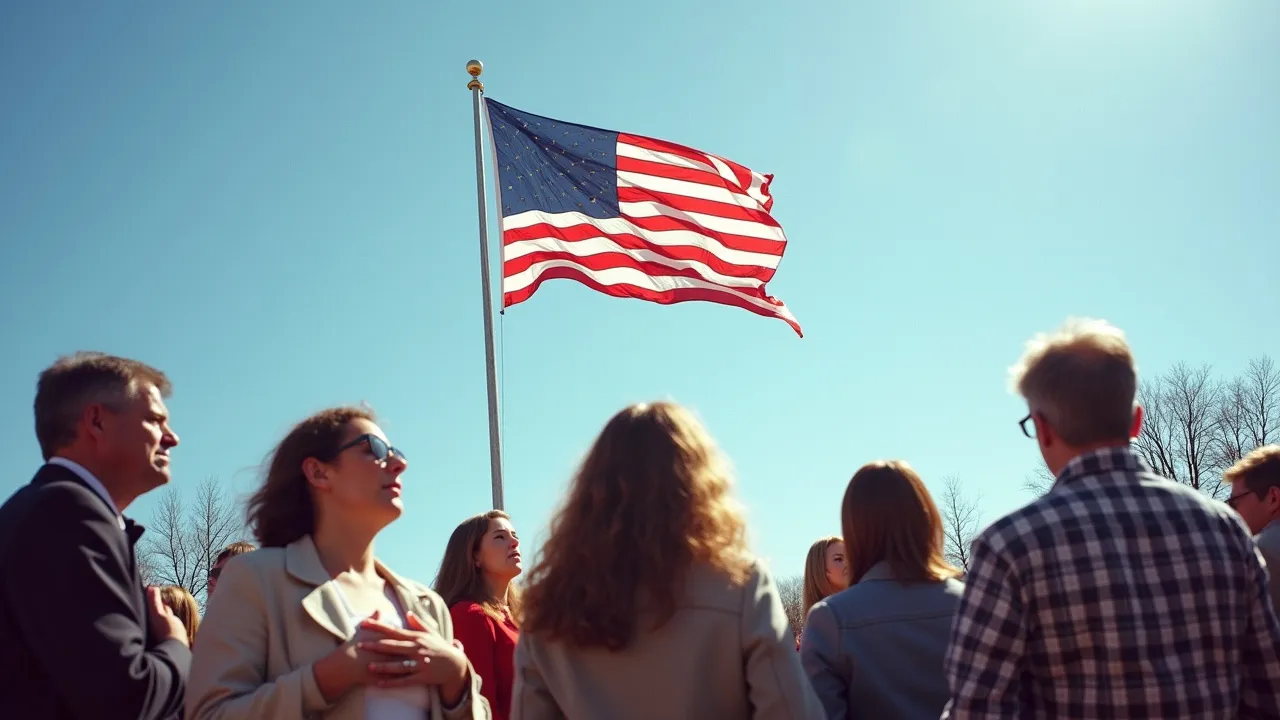
National Anthem Day on March 3rd honors the adoption of 'The Star-Spangled Banner' as the official US national anthem in 1931. It celebrates the history, lyrics, and patriotic spirit of America's anthem.
The Historical Origins & Evolutionary Journey
National Anthem Day on March 3rd commemorates the day in 1931 when the United States officially adopted "The Star-Spangled Banner" as its national anthem. However, the story begins nearly 117 years earlier during the War of 1812.
The Foundational Catalyst
In September 1814, American lawyer and amateur poet Francis Scott Key witnessed the British bombardment of Fort McHenry in Baltimore harbor. Inspired by the sight of the American flag still flying at dawn, he penned a poem titled "Defence of Fort M'Henry." Set to a popular British drinking tune, the poem was later renamed "The Star-Spangled Banner."
The Legislative/Official Adoption
For decades, the song was used by the US Navy and military but lacked official status. In 1916, President Woodrow Wilson ordered it played at military and naval occasions. Finally, on March 3, 1931, President Herbert Hoover signed a congressional resolution making it the official national anthem. The resolution passed after years of lobbying by patriotic groups, including the Veterans of Foreign Wars and the Daughters of the American Revolution.
Modern Global Legacy
While primarily a US observance, the concept of a national anthem day has spread. Other countries, such as Denmark (September 5) and South Africa (April 27), have their own anthem days. In the US, March 3 is a day of reflection, education, and patriotic display.
How to Celebrate National Anthem Day
Celebrating National Anthem Day can be a deeply patriotic and educational experience. Here are actionable strategies for individuals, schools, and organizations:
For Individuals
- Sing the Anthem: Stand and sing "The Star-Spangled Banner" at home, in public, or during a local event.
- Learn the History: Read about Francis Scott Key and the War of 1812. Watch a documentary or visit Fort McHenry virtually.
- Display the Flag: Fly the American flag outside your home or place of business.
For Schools and Educational Institutions
- Classroom Lessons: Teach students about the lyrics' meaning, the anthem's history, and proper flag etiquette.
- School Assembly: Hold a flag-raising ceremony with a choir performance of the anthem.
- Essay & Art Contests: Encourage students to express what the anthem means to them.
For Organizations and Communities
- Community Sing-Along: Organize a public singing event in a park or town square.
- Patriotic Concert: Partner with local musicians to perform the anthem and other patriotic songs.
- Flag Retirement Ceremony: Properly retire worn flags and raise new ones.
Different regions may have unique traditions. For example, in Denmark, people gather to sing the royal anthem on September 5. Globally, the day promotes national pride and unity.
The Anthem’s Musical and Lyrical Impact
"The Star-Spangled Banner" is known for its wide vocal range and challenging melody. Its lyrics, composed of four stanzas, tell the story of the 1814 battle. The first stanza is commonly sung, but the others emphasize resilience and victory. The anthem has been performed by countless artists, from Jimi Hendrix's iconic guitar rendition at Woodstock to Lady Gaga's Super Bowl version. Its legacy extends beyond music into film, sports, and protests.
Legal and Etiquette Guidelines
The US Flag Code outlines proper conduct regarding the national anthem. According to Title 36, Chapter 3 of the US Code, when the anthem is played, individuals should stand at attention, face the flag (or music source if no flag), and place their right hand over their heart. Men should remove hats. Members of the military in uniform salute. The code asks for respectful behavior, avoiding talking or distractions. Violations are not legally enforced but are considered a breach of patriotic etiquette.
Controversies and Modern Debates
The national anthem has been at the center of social and political debates. In recent years, NFL player Colin Kaepernick's kneeling during the anthem to protest racial injustice sparked nationwide controversy. Some argue it disrespects the flag and military, while others view it as a protected form of free speech. These discussions highlight the anthem's evolving role in American society—a symbol of both unity and division. National Anthem Day provides an opportunity to reflect on these complexities.
Global Anthem Days and Cultural Significance
Many countries have designated days to honor their national anthems. For instance:
- Denmark: September 5 celebrates the royal anthem "Kong Christian stod ved højen mast."
- South Africa: April 27, Freedom Day, honors the new anthem adopted after apartheid.
- United Kingdom: No official day, but "God Save the King" is played at official events.
- India: January 26, Republic Day, features the national anthem "Jana Gana Mana."
Historical Timeline
Francis Scott Key writes the poem "Defence of Fort M'Henry" after witnessing the British attack on Fort McHenry.
The US Navy officially adopts "The Star-Spangled Banner" for ceremonial use.
President Woodrow Wilson orders the song played at all military and naval occasions.
On March 3, President Herbert Hoover signs a congressional resolution making "The Star-Spangled Banner" the official national anthem of the United States.
The US Flag Code is codified, including proper etiquette for the national anthem.
The National Anthem is played before every Major League Baseball game, a tradition that continues.
Colin Kaepernick begins kneeling during the anthem, sparking nationwide protests and debates.