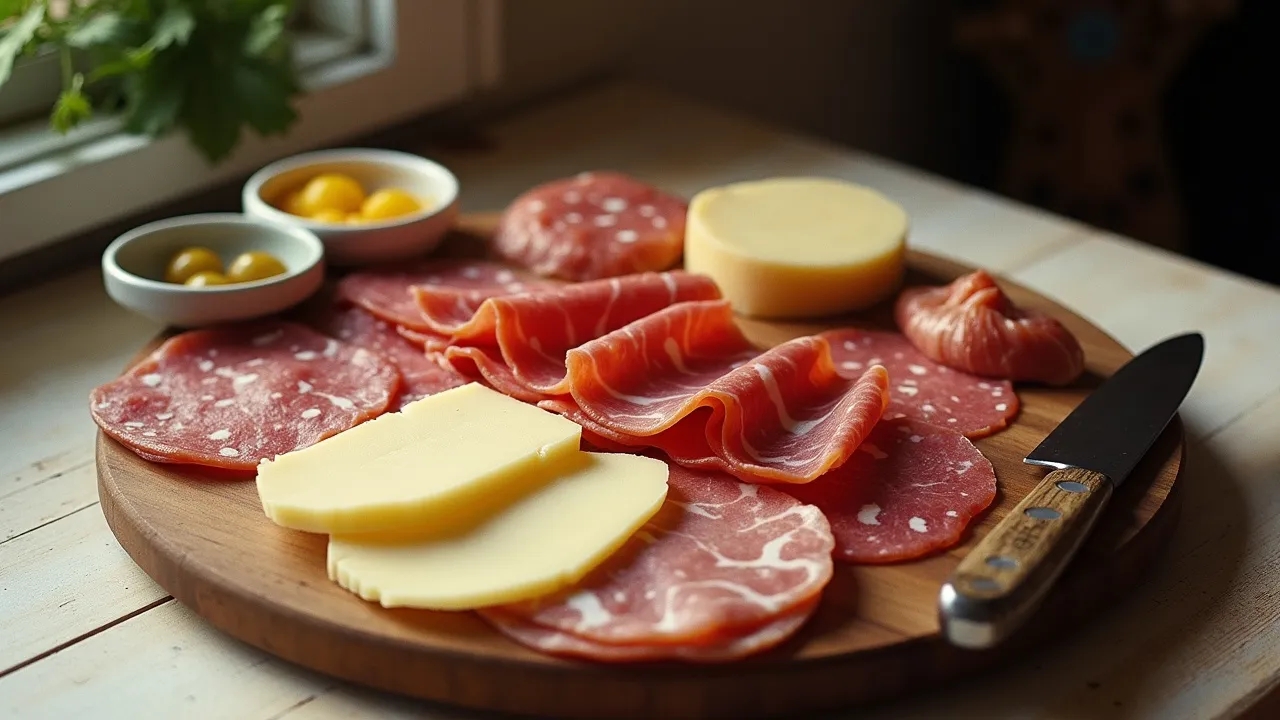
Celebrate National Cold Cuts Day on March 3rd by indulging in a variety of sliced meats and cured delicacies. This food holiday honors the rich tradition of charcuterie and the convenience of cold cuts in modern cuisine.
The Historical Origins & Evolutionary Journey
National Cold Cuts Day, observed annually on March 3rd, traces its roots to the ancient practice of preserving meat through salting, smoking, and drying—techniques that predate recorded history. While the observance itself is a modern creation, likely emerging in the early 2000s as part of a surge in food-themed holidays, the tradition of cold cuts spans millennia.
The Foundational Catalyst
The earliest cold cuts were born from necessity. Before refrigeration, civilizations like the Romans and Chinese developed methods to cure meat for long-term storage. The Roman salsamentum (salted meats) evolved into what we now call prosciutto, while Chinese lap cheong preserved pork with sugar and soy. In medieval Europe, charcutiers—craftsmen who prepared pork products—became guild-regulated professions, standardizing recipes for ham, bacon, and sausages.
The Legislative/Official Adoption
Unlike national holidays, National Cold Cuts Day was not established by government decree. Rather, it gained traction through grassroots food culture, recipe blogs, and social media campaigns. Organizations like the American Meat Institute have unofficially promoted the day, but no single entity holds a trademark. The date March 3rd was likely chosen arbitrarily, possibly to break the winter doldrums with a festive food celebration.
Modern Global Legacy
Today, cold cuts are a global phenomenon. Italian salumi, German Wurst, Spanish embutidos, and American deli meats all fall under the cold cut umbrella. The holiday encourages exploration of artisanal charcuterie, cooking with cold cuts, and supporting local delis. It also prompts discussions on processed meat health concerns, driving demand for nitrate-free and organic options.
How to Celebrate National Cold Cuts Day
National Cold Cuts Day offers endless opportunities for culinary creativity and communal enjoyment. Below are actionable strategies for individuals, schools, and organizations.
For Individuals
- Build a Charcuterie Board: Select at least 3–5 varieties of cold cuts (e.g., spicy salami, herb-crusted ham, duck prosciutto). Pair with cheeses, fruits, nuts, and artisan crackers.
- Cook with Cold Cuts: Use sliced meats in sandwiches, wraps, pizzas, quiches, or pasta dishes. Try a classic Italian hoagie or Cuban sandwich.
- Host a Tasting Party: Invite friends to sample cold cuts from different cultures. Provide tasting cards for ratings and notes.
- Visit a Deli or Butcher: Support local businesses by purchasing fresh-sliced meats. Ask for recommendations and learn about sourcing.
For Schools and Educational Settings
- Food Science Lessons: Teach students about curing processes, food preservation history, and safe handling of meats.
- Tasting Events: Organize a school-wide cold cut tasting with parent volunteers. Emphasize nutrition balance and portion control.
- Cooking Contests: Challenge students to create original sandwich recipes using cold cuts, with prizes for creativity and presentation.
For Organizations and Businesses
- Office Catering: Provide a cold cut buffet for lunch breaks. Include vegetarian alternatives like marinated tofu slices.
- Retail Promotions: Offer discounts on cold cut combos, recipe cards, and educational materials about product origins.
- Social Media Campaign: Launch a hashtag like #NationalColdCutsDay and encourage customers to share their creations.
Regional Celebrations
While March 3rd is the primary date, some regions observe similar holidays on different days. For example, Italy celebrates Salumi Day in late February, and Germany has Wurst Day in October. Adapt your celebration to incorporate local specialties.
Global Impact of Cold Cuts: Industry and Culture
The cold cut industry represents a multi-billion dollar sector worldwide, employing millions in farming, processing, and retail. In the United States alone, annual consumption exceeds 50 pounds per capita. The holiday shines a spotlight on key trends.
Artisanal Revival
Small-batch producers are reviving traditional methods like dry-curing and wood-smoking. Consumers increasingly seek heirloom breeds, pasture-raised meats, and antibiotic-free products. This shift supports biodiversity and animal welfare.
Health and Sustainability
Processed meats have been linked to health risks, prompting reformulation. Many brands now offer reduced sodium, no nitrates, and plant-based alternatives. The holiday encourages mindful consumption, such as pairing cold cuts with vegetables and whole grains.
Cultural Exchange
Cold cuts are ambassadors of culinary heritage. Italian prosciutto di Parma, Spanish jamón ibérico, and German Black Forest ham are protected by geographical indications. National Cold Cuts Day fosters appreciation for these protected products.
The Art of Charcuterie: Crafting the Perfect Board
A well-composed charcuterie board is the centerpiece of National Cold Cuts Day. Follow these principles for visual and flavor balance.
Meat Selection
- Hard Salami: Genoa or Soppressata for robust flavor.
- Soft Cured: Mortadella or ham for mildness.
- Spreadable: Liver pâte or mousse for richness.
- Spicy: Pepperoni or chorizo for heat.
Pairings
- Cheeses: Aged cheddar, brie, goat cheese—contrast with meat intensity.
- Fruits: Grapes, figs, dried apricots—sweetness cuts saltiness.
- Pickles & Olives: Briny elements cleanse the palate.
- Bread & Crackers: Provide neutral canvas for layered bites.
Presentation
Layer meats in folds or rolls. Vary colors and shapes. Include small bowls for condiments like honey, mustard, or tapenade. Garnish with fresh herbs for visual appeal.
Nutritional Insights and Health Considerations
Cold cuts offer protein and B vitamins but also come with sodium, saturated fat, and preservatives. Moderation is key.
Positive Aspects
- High-quality protein supports muscle maintenance.
- Iron and zinc contribute to immune function.
- Convenient for quick meals and meal prep.
Healthier Choices
- Select lower-sodium options (e.g., reduced-sodium turkey breast).
- Choose uncured meats that avoid synthetic nitrates.
- Balance with plenty of vegetables and whole grains.
Dietary Restrictions
For those avoiding pork, options include turkey, chicken, beef, and plant-based deli slices. Always check labels for allergens like gluten, dairy, or soy used in processing.
Environmental and Ethical Dimensions
The production of cold cuts has environmental and ethical implications. National Cold Cuts Day is an opportunity to discuss these.
Sustainable Sourcing
Look for cold cuts from animals raised on pasture, with certifications like Animal Welfare Approved or Certified Humane. Locally produced meats reduce carbon footprint.
Waste Reduction
Use leftover cold cuts in soups, salads, or omelets. Compost vegetable scraps from board preparations. Avoid overbuying to prevent food waste.
Ethical Labels
Fair Trade and organic certifications ensure fair wages and reduced chemical use. However, these are less common for meat; advocate for transparency.
Historical Timeline
Ancient Chinese and Mediterranean cultures develop meat preservation techniques using salt and spices, laying the foundation for modern cold cuts.
Roman Empire produces prosciutto and other cured meats, with methods recorded by Pliny the Elder.
First known charcuterie guild established in France, regulating the production of pork products.
Industrial refrigeration revolutionizes cold cut production, allowing mass distribution.
Oscar Mayer introduces pre-packaged cold cuts, making them accessible to American households.
Emergence of artisanal salumeria in the U.S., reviving traditional European methods.
National Cold Cuts Day begins as an unofficial holiday on March 3rd, promoted by food blogs and social media.
The term 'charcuterie board' gains popularity on Pinterest and Instagram, boosting the holiday's reach.
Plant-based cold cuts enter mainstream, offering vegan alternatives for the observance.