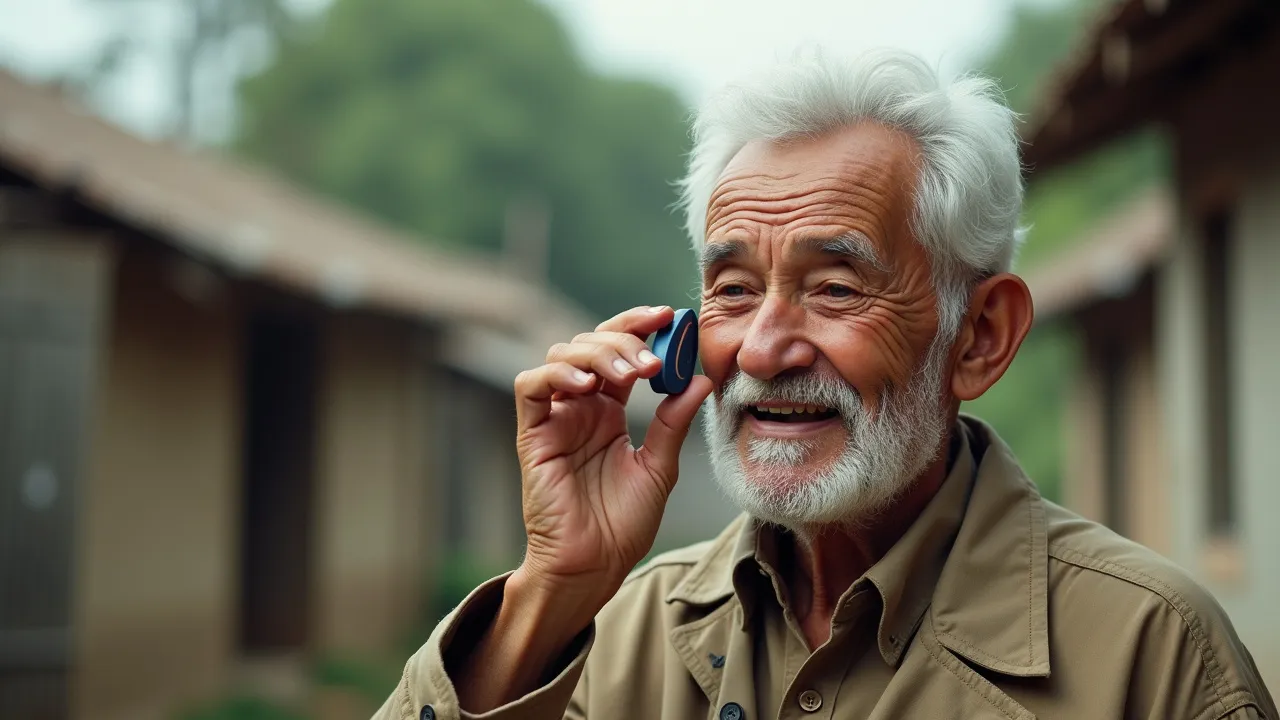
Observed annually on March 3rd, World Hearing Day raises awareness about hearing loss prevention and promotes ear and hearing care globally, initiated by the World Health Organization.
The Historical Origins & Evolutionary Journey
World Hearing Day, originally known as International Ear Care Day, was established by the World Health Organization (WHO) during the First International Conference on Prevention and Rehabilitation of Hearing Impairment in Beijing, China, in 2007. The date March 3rd was chosen because the digits 3.3 resemble the shape of an ear. The observance aims to promote ear and hearing care and highlight the growing prevalence of hearing loss worldwide.
The Foundational Catalyst
Hearing loss affects over 1.5 billion people globally, a number projected to rise to 2.5 billion by 2050. The WHO recognized that 60% of childhood hearing loss can be prevented through public health measures. The initial focus was on low- and middle-income countries where hearing loss is most prevalent due to lack of access to ear care, noise exposure, and infections. The day was designed to mobilize governments, NGOs, and communities to implement preventive strategies.
The Legislative/Official Adoption
In 2016, WHO rebranded International Ear Care Day as World Hearing Day to expand its scope beyond ear infections to include all aspects of hearing care, such as hearing aids, cochlear implants, and rehabilitation. The WHO's "World Report on Hearing" (2021) provided a framework for countries to integrate hearing care into primary healthcare systems. Many countries have since adopted national hearing care programs aligned with World Hearing Day themes.
Modern Global Legacy
Today, World Hearing Day is one of the most significant global health awareness days, with campaigns in over 150 countries. It has driven policy changes, such as the World Health Assembly resolution on hearing loss (2017) and increased access to affordable hearing aids. The day now focuses on ear and hearing care for all, especially in aging populations and noise-exposed workers.
How to Celebrate World Hearing Day
World Hearing Day offers numerous ways for individuals, communities, and organizations to participate. The WHO provides toolkits and resources each year with specific themes. Below are actionable strategies.
For Individuals
- Get a hearing test: Many audiologists and clinics offer free screenings on March 3rd. Early detection is crucial.
- Reduce noise exposure: Keep volume below 60% on devices, use earplugs in loud environments, and follow the 60/60 rule.
- Learn about hearing loss: Read the WHO's World Report on Hearing and share facts on social media using hashtags like #WorldHearingDay.
- Support loved ones: Learn basic sign language or assist a family member with hearing loss to get care.
For Schools and Youth
- Organize a hearing education assembly with interactive activities about ear anatomy and how to protect hearing.
- Host a "sound map" project where students document noise levels in their community.
- Invite an audiologist for a Q&A session on hearing health.
For Organizations and Healthcare Providers
- Launch a hearing screening campaign at workplaces or public health centers.
- Release a press statement on hearing loss statistics and the importance of ear care.
- Train primary care workers in basic hearing assessment using mobile apps like hearWHO.
Traditions Around the World
In China, major cities host free ear check-ups in public squares. In India, mobile audiology vans reach remote villages. In the United States, the American Academy of Audiology organizes webinars and community events. The day is also marked by lighting landmarks in orange (the official color of World Hearing Day).
Global Impact & Statistics
Hearing loss is the third leading cause of disability worldwide. The WHO estimates that unaddressed hearing loss costs the global economy over $750 billion annually in health system costs, lost productivity, and social costs. Key impacts include:
- 1 in 5 people globally have hearing loss, with 430 million having moderate or higher levels.
- Over 1 billion young people are at risk of hearing loss due to unsafe listening practices.
- Hearing loss is linked to social isolation, depression, and dementia, particularly in older adults.
- Only 20% of those with hearing loss can access appropriate treatment, with a huge gap in low-income regions.
World Hearing Day has contributed to increased global awareness, leading to more funding for hearing research and initiatives like the WHO's Safe Listening Standard.
Core Societal Themes & Messages
Prevention Over Cure
The primary message is that most hearing loss is preventable. Avoiding prolonged exposure to loud sounds, treating ear infections promptly, and immunizing against diseases like measles and meningitis can prevent many cases.
Equity in Hearing Care
Access to hearing aids, cochlear implants, and rehabilitation is unequal. World Hearing Day advocates for affordable and accessible hearing care, especially in low- and middle-income countries. The WHO promotes the use of task-sharing to train non-specialists to deliver basic hearing services.
Ageing and Hearing
With ageing populations, age-related hearing loss (presbycusis) is a growing concern. The day emphasizes the importance of regular hearing checks for older adults and the role of hearing aids in improving quality of life and cognitive health.
Noise Pollution as a Public Health Issue
Environmental noise is a major cause of hearing loss. Campaigns encourage urban planners to reduce noise through quieter roads, building insulation, and green spaces. The WHO's guidelines on community noise are highlighted.
Technological Innovations & Industry Transformation
World Hearing Day also spotlights advances in hearing technology. Key innovations include:
- Over-the-counter (OTC) hearing aids: In 2022, the U.S. FDA approved OTC hearing aids for mild-to-moderate hearing loss, reducing costs and improving access.
- Smartphone-based diagnostics: Apps like hearWHO allow users to test their hearing using standard earphones, making screening accessible worldwide.
- Cochlear implants with AI: Modern implants use artificial intelligence to filter background noise and improve speech understanding in noisy environments.
- Gene therapy research: Clinical trials are exploring gene editing to restore hearing in genetic forms of deafness.
The hearing aid industry is shifting toward direct-to-consumer models, fueled by World Hearing Day advocacy. Major companies like Apple have integrated hearing health features into AirPods, pushing the conversation further.
Policy & Advocacy Milestones
World Hearing Day has been instrumental in driving policy changes. Notable milestones include:
- World Health Assembly Resolution (2017): Member states adopted a resolution to integrate ear and hearing care into primary health systems.
- WHO World Report on Hearing (2021): This comprehensive report set a global roadmap for hearing health, with 20-year targets.
- Global Hearing Care Initiative (2023): A partnership between WHO and the World Bank to provide hearing aids to low-income countries.
Advocacy on World Hearing Day has led to increased investment in national hearing health programs, such as in Nigeria and Nepal, where community health workers now screen for hearing loss.
Historical Timeline
The World Health Organization launches International Ear Care Day on March 3rd after the First International Conference on Prevention and Rehabilitation of Hearing Impairment in Beijing.
WHO renames the observance to World Hearing Day to broaden its scope beyond ear infections to all hearing care.
World Health Assembly adopts resolution WHA70.12, urging member states to integrate ear and hearing care into primary health care systems.
WHO publishes the World Report on Hearing, presenting global data and a framework for action to reduce hearing loss.
U.S. FDA approves over-the-counter hearing aids, expanding access. World Hearing Day theme 'To hear for life, listen with care!' focuses on safe listening.
Global Hearing Care Initiative launched by WHO and World Bank to provide hearing aids in low-income countries.
World Hearing Day theme 'Changing mindsets: Let's make ear and hearing care a reality for all!' promotes hearing health equity.