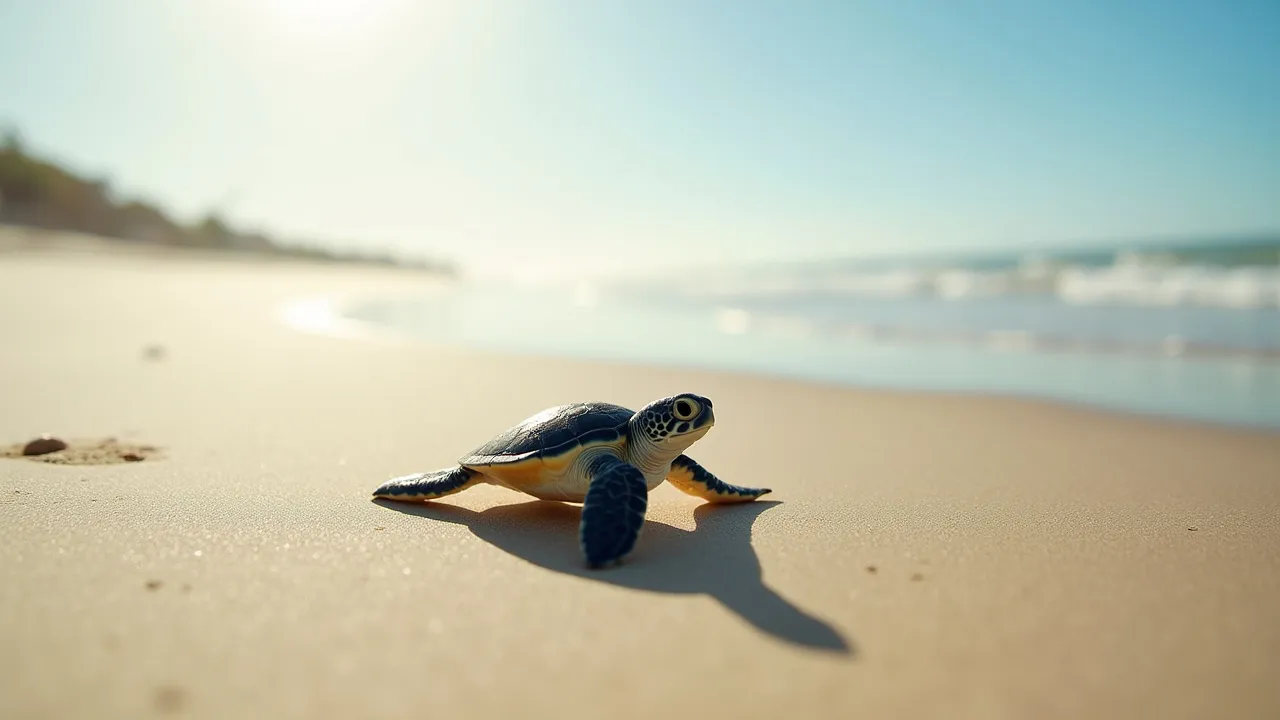
World Turtle Day, observed annually on May 23rd, raises awareness for the protection of turtles and tortoises worldwide. Established in 2000 by American Tortoise Rescue, it promotes habitat conservation and responsible pet ownership.
The Historical Origins & Evolutionary Journey
World Turtle Day was established in 2000 by American Tortoise Rescue (ATR), a nonprofit organization founded in 1990 by Susan Tellem and Marshall Thompson. The day was created to bring attention to the plight of turtles and tortoises, which face threats from habitat destruction, the pet trade, climate change, and pollution.
The Foundational Catalyst
The idea for a dedicated day emerged from ATR's rescue efforts. Tellem and Thompson observed that many people were unaware of the specific needs of turtles and tortoises, leading to neglect and abandonment. They envisioned a global event that would educate the public, encourage humane treatment, and celebrate these ancient creatures. The first celebration involved educational events at schools, zoos, and community centers across the United States.
Legislative & Official Adoption
Over the years, World Turtle Day gained recognition from conservation groups, government agencies, and international organizations. In 2011, the United Nations Environment Programme acknowledged the day as part of its global conservation calendar. Several U.S. states, including California and Florida, issued proclamations supporting the observance. Internationally, countries like Australia and India incorporated the day into their wildlife awareness programs.
Modern Global Legacy
Today, World Turtle Day is celebrated in over 100 countries. It has inspired local conservation projects, social media campaigns, and fundraising initiatives. The day's success has also spurred similar observances, such as World Sea Turtle Day (June 16th) and National Tortoise Day (various dates). ATR continues to lead the movement, promoting adoption over buying, habitat protection, and public education.
How to Celebrate World Turtle Day
World Turtle Day offers countless ways to participate, from simple individual actions to large community events. Whether you're a teacher, a parent, a business leader, or a nature enthusiast, your involvement can make a real difference. Below are comprehensive strategies for celebrating meaningfully.
Individual Actions
- Adopt, Don't Shop: If you want a pet turtle, adopt from a rescue. Avoid purchasing wild-caught turtles, which often carry diseases and harm wild populations.
- Reduce Plastic Use: Turtles often mistake plastic bags for jellyfish. Use reusable bags, bottles, and straws to cut down on ocean plastic.
- Report Illegal Trade: If you see turtles being sold illegally (e.g., in markets or online), report it to local authorities or groups like ATR.
School & Educational Activities
- Host a turtle-themed art contest. Have students draw or paint turtles and display their work.
- Invite a local herpetologist to give a talk about native turtle species and conservation.
- Organize a beach cleanup if your school is near the coast. Trash removal helps prevent turtle entanglement.
Community & Corporate Involvement
- Businesses: Offer discounts to customers who bring reusable bags or donate to turtle charities. Sponsor a local conservation project.
- Zoos & Aquariums: Many institutions host special exhibits and feeding demonstrations on May 23rd. Check your local zoo's schedule.
- Social Media Campaigns: Share facts and photos using hashtags like #WorldTurtleDay, #SaveTheTurtles, and #TurtleConservation. Tag @AmericanTortoiseRescue.
Global Traditions: In Costa Rica, volunteers patrol beaches to protect sea turtle nests. In Japan, some groups release captive-bred hatchlings into the wild (though this can be controversial due to genetic mixing). In California, ATR holds an annual adoption fair featuring rescued tortoises. Always research local events to ensure ethical practices.
Global Conservation Efforts & Impact
Turtles and tortoises are among the most endangered vertebrate groups. Of the 356 known species, approximately 61% are threatened or extinct. World Turtle Day galvanizes global conservation initiatives.
Protecting Sea Turtles
Sea turtles face unique challenges: bycatch in fishing gear, poaching for eggs, and loss of nesting beaches. Organizations like WWF and Sea Turtle Conservancy use the day to raise funds for satellite tracking, nest monitoring, and turtle excluder devices (TEDs). For example, in the Mediterranean, TEDs have reduced loggerhead bycatch by 90%.
Freshwater & Tortoise Conservation
Freshwater turtles are heavily traded as pets and for traditional medicine. The Asian Turtle Crisis of the 1990s led to captive breeding programs for species like the Chinese softshell turtle. Tortoises, such as the Galápagos giant tortoise, have rebounded thanks to eradication of invasive species on islands. World Turtle Day highlights these success stories and ongoing needs.
Rehabilitation & Rescue
Rescue centers around the world care for injured turtles. In Australia, the Australian Wildlife Conservancy treats turtles hit by boats or entangled in fishing line. In the US, Jekyll Island Sea Turtle Center rehabilitates and releases hundreds of turtles annually. ATR's network of facilities across California rescues and rehomes tortoises.
Notable Turtle Species & Their Symbolism
Turtles have inhabited Earth for over 200 million years, surviving the dinosaurs. Their slow, steady nature has made them symbols of wisdom, patience, and longevity in many cultures.
The Leatherback Sea Turtle
Dermochelys coriacea is the largest sea turtle, reaching up to 2.2 meters. It travels thousands of miles from nesting beaches to feeding grounds. It is critically endangered due to plastic ingestion and habitat loss.
The Galápagos Giant Tortoise
Chelonoidis niger can weigh over 400 kg. Famous individuals like Lonesome George (the last of his subspecies, died in 2012) have inspired conservation. Today, breeding programs have boosted populations on several islands.
The Painted Terrapin
Batagur baska is a critically endangered freshwater turtle from South Asia. It is known for its striking red and black markings. Poaching for meat and habitat destruction have pushed it to the brink. World Turtle Day draws attention to such lesser-known species.
Cultural Symbolism: In Hindu mythology, the god Vishnu incarnated as a turtle (Kurma) to support the churning of the ocean. In Native American folklore, the turtle carries the world on its back. In Chinese culture, the turtle represents longevity and power.
Challenges & Threats to Turtle Populations
Despite growing awareness, turtles face multiple anthropogenic threats. World Turtle Day serves as a platform to address these challenges head-on.
Legal & Illegal Wildlife Trade
Millions of turtles are captured each year for the exotic pet trade, food, and traditional medicine. The CITES (Convention on International Trade in Endangered Species) regulates trade, but illegal trafficking persists. Southeast Asia is a major hotspot, with species like the Burmese star tortoise being smuggled from Myanmar.
Climate Change
Temperature determines the sex of sea turtle hatchlings; warmer sand produces more females. Rising temperatures skew sex ratios, threatening reproductive viability. Additionally, sea-level rise inundates nesting beaches. Conservationists are working on strategies like shading nests and relocating eggs.
Bycatch & Fisheries
Thousands of sea turtles die annually when caught in shrimp trawls and longlines. TEDs (turtle excluder devices) help, but enforcement is weak in some regions. World Turtle Day campaigns pressure seafood companies to source sustainable products.
Pollution & Habitat Loss
Plastic pollution kills turtles via ingestion and entanglement. Light pollution disorients hatchlings, leading them inland instead of to the sea. Coastal development destroys nesting grounds. Mitigation requires community action and policy change.
How to Support Turtle Conservation Beyond May 23rd
Celebrating World Turtle Day is just the start. Year-round commitment is essential to ensure turtles thrive. Here are lasting ways to help.
- Donate to reputable organizations: American Tortoise Rescue, Sea Turtle Conservancy, and WWF run effective programs.
- Support sustainable seafood: Download the Seafood Watch app to avoid products that harm turtles.
- Volunteer locally: Participate in beach cleanups, nest monitoring (if trained), or rescue center assistance.
- Educate others: Share resources from World Turtle Day official site with friends and family.
- Advocate for policy: Write to lawmakers supporting legislation like the Sea Turtle Protection Act or bans on single-use plastics.
Remember: Every action counts. Even small changes in daily habits can ripple across the ocean, protecting turtles for generations to come.
Historical Timeline
American Tortoise Rescue (ATR) is founded by Susan Tellem and Marshall Thompson in California, focusing on rescuing and rehoming turtles and tortoises.
ATR establishes World Turtle Day, celebrated annually on May 23rd, to promote awareness and conservation of turtles and tortoises.
World Turtle Day gains international traction, with events held in schools, zoos, and community centers across the United States and Canada.
The first major corporate partnerships form; companies like SeaWorld and Disney participate in World Turtle Day activities.
The United Nations Environment Programme officially recognizes World Turtle Day, integrating it into the global conservation calendar.
Social media campaigns explode; hashtag #WorldTurtleDay trends on Twitter with over 1 million mentions.
The State of California proclaims May 23rd as World Turtle Day, encouraging residents to participate in conservation efforts.
ATR celebrates 20 years of World Turtle Day, reporting over 3,000 turtles rescued and tens of thousands of educational events globally.
World Turtle Day has grown to include events in over 100 countries, with increased focus on combating the illegal wildlife trade and plastic pollution.