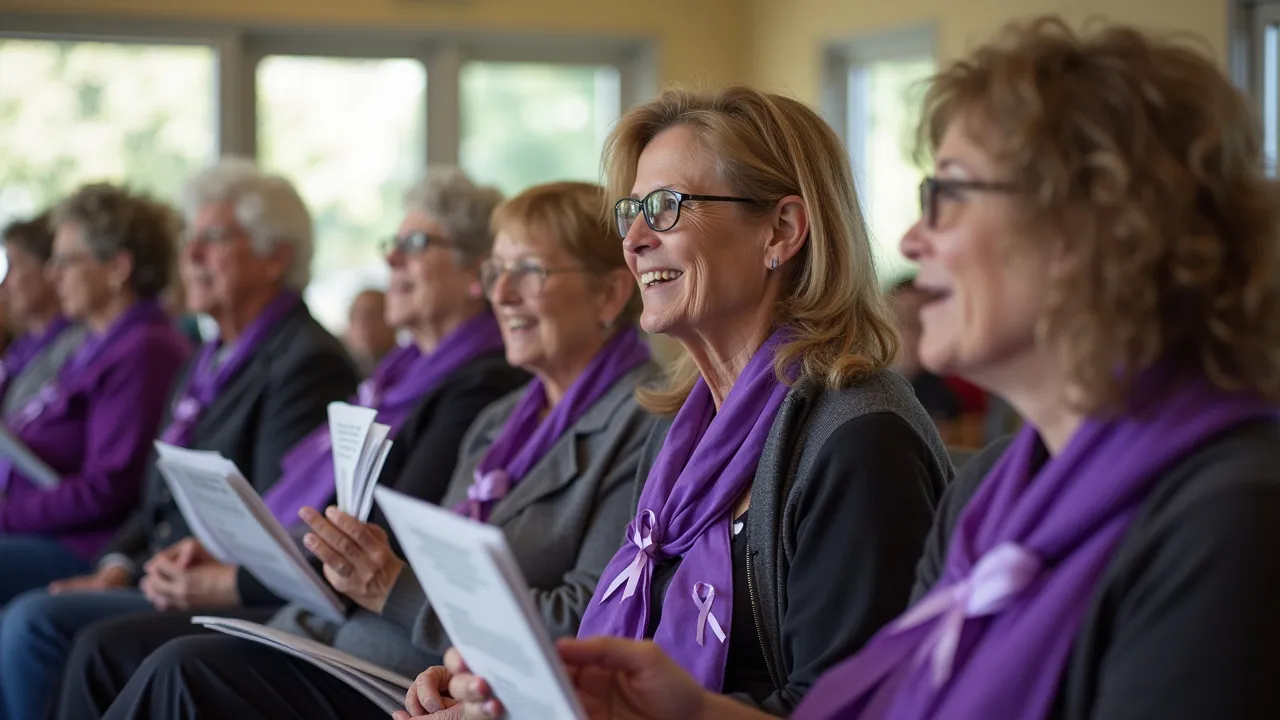
World Crohn's and Colitis Day, observed on May 23rd, raises global awareness about inflammatory bowel diseases (IBD). It unites patients, caregivers, and healthcare professionals to advocate for better care, research, and understanding of these chronic conditions.
The Historical Origins & Evolutionary Journey
World Crohn's and Colitis Day, also known as World IBD Day, emerged from a grassroots movement to bring global attention to inflammatory bowel diseases (IBD). The observance was first proposed in 2010 by the European Federation of Crohn's and Ulcerative Colitis Associations (EFCCA) in collaboration with patient groups from around the world. The date, May 23rd, was chosen to commemorate the anniversary of the death of a prominent IBD advocate? Actually, it aligns with the founding of EFCCA? The exact rationale is not widely documented, but it has become a fixed annual event.
The Foundational Catalyst
The late 20th century saw a rise in IBD diagnoses, yet public awareness remained low. Patients often suffered in silence due to the stigma surrounding digestive disorders. In 2005, several national patient organizations began collaborating under the umbrella of EFCCA to share best practices and amplify their voices. By 2010, they launched the first unified awareness campaign, leveraging social media and local events to educate the public about the challenges of living with Crohn's disease and ulcerative colitis.
The Legislative/Official Adoption
Although not an official United Nations observance, World Crohn's and Colitis Day has been endorsed by numerous health ministries and medical societies worldwide. In many countries, landmarks are illuminated in purple (the IBD awareness color) on May 23rd. The day gained significant traction in 2015 when EFCCA partnered with the International Organization for the Study of Inflammatory Bowel Diseases (IOIBD) to create a global advocacy toolkit.
Modern Global Legacy
Today, World Crohn's and Colitis Day is recognized on every inhabited continent. It serves as a platform for fundraising, public education, and policy advocacy. Key achievements include increased research funding, the development of patient-centered care guidelines, and reduced diagnostic delays. The day continues to evolve, with digital campaigns (#WorldIBDDay) reaching millions annually.
How to Celebrate World Crohn's and Colitis Day
Participation in World Crohn's and Colitis Day can take many forms, from individual actions to large-scale institutional initiatives. The goal is to foster understanding and support for the estimated 10 million people worldwide living with IBD.
For Individuals and Patients
- Share your story: Use social media with hashtags like #WorldIBDDay to spread awareness. Write a blog post or record a video about your journey with IBD.
- Wear purple: On May 23rd, wear purple clothing or a ribbon to spark conversations about IBD.
- Donate or fundraise: Support organizations like the Crohn's & Colitis Foundation or EFCCA through online campaigns.
For Schools and Workplaces
- Educational workshops: Host a lunch-and-learn session about IBD symptoms, treatments, and how to support colleagues or classmates.
- Purple-themed events: Organize a bake sale or casual dress day with proceeds going to IBD research.
- Display information: Set up a booth with brochures and resources in common areas.
Global Variations
In the United States, the Crohn's & Colitis Foundation organizes walks and runs. In Europe, EFCCA coordinates a unified social media campaign with translated materials. In Australia and Japan, patient groups hold symposiums with medical experts. In low-resource settings, the focus is on improving access to diagnosis and treatment through virtual conferences.
The Global Impact of Inflammatory Bowel Diseases
Inflammatory bowel diseases, including Crohn's disease and ulcerative colitis, are chronic conditions that affect the digestive tract. The global prevalence has been rising steadily since the mid-20th century, particularly in Western countries, but also in newly industrialized nations. World Crohn's and Colitis Day highlights this burden and the need for equitable care.
Epidemiological Trends
- Approximately 0.3% of the global population (over 10 million people) live with IBD.
- Incidence rates are highest in Europe and North America, but fastest-growing in Asia, Africa, and South America.
- The age of onset is typically between 15 and 35, but diagnoses in children and older adults are increasing.
Economic and Social Costs
IBD imposes significant healthcare costs—up to $15 billion annually in the U.S. alone—and reduces quality of life due to unpredictable symptoms, hospitalizations, and surgeries. The stigma associated with bowel symptoms can lead to social isolation and mental health challenges. Observance days like this help destigmatize the conditions and encourage early diagnosis.
Research and Innovation
Recent advances include biologic therapies, personalized medicine, and microbiome-based treatments. World Crohn's and Colitis Day promotes funding for research into cures and improved management strategies.
Core Societal Themes of the Observance
Each year, World Crohn's and Colitis Day adopts a theme that reflects pressing issues in the IBD community. Past themes have focused on mental health, invisible illness, and access to care.
Theme: 'Breaking the Stigma'
A recurring theme is challenging the misconception that IBD is merely "just a stomach ache" or a lifestyle disease. Educational campaigns emphasize that IBD is a serious autoimmune condition with no known cure, requiring lifelong management.
Theme: 'United for Care'
This theme underscores the need for multidisciplinary care teams including gastroenterologists, dietitians, psychologists, and surgeons. It also advocates for patient involvement in treatment decision-making.
Key Advocacy Points
- Early and accurate diagnosis reduces complications.
- Access to affordable medications and surgeries is a human right.
- Mental health support should be integrated into IBD care.
Theme: 'Innovation and Hope'
Highlighting cutting-edge research like fecal microbiota transplantation, stem cell therapy, and artificial intelligence in endoscopy. The day encourages clinical trial participation and policy changes to speed up drug approvals.
Industry Transformations Driven by the Day
World Crohn's and Colitis Day has catalyzed significant changes across healthcare, pharmaceutical, and technology sectors.
Pharmaceutical Industry
The day has pressured companies to price biologics more affordably and to develop patient assistance programs. It has also spurred the development of biosimilars, increasing treatment access.
Digital Health Revolution
Patient apps for tracking symptoms, diet, and medication adherence have proliferated, often launched or promoted around May 23rd. Telemedicine for IBD management expanded dramatically during the COVID-19 pandemic and remains a key focus.
Insurance and Policy
Advocacy during the observance has led to laws in several U.S. states requiring insurance coverage for oral IBD therapies and prohibiting step therapy for biologic drugs. Globally, the day pressures governments to include IBD in national non-communicable disease plans.
The Role of Patient Organizations and Community Support
Patient organizations are the backbone of World Crohn's and Colitis Day. They provide a platform for patients to connect, share resources, and amplify their collective voice.
Key Organizations
- EFCCA (Europe): Coordinates cross-border campaigns and funds research.
- Crohn's & Colitis Foundation (USA): Runs the largest patient registry and funds landmark research like the Crohn's & Colitis Foundation's Inflammatory Bowel Disease Plexus.
- Crohn's and Colitis Australia (CCA): Provides support services and advocates for government subsidies for medications.
- IOIBD: International network of physicians and researchers that sets clinical guidelines.
Community Support Dynamics
Local support groups offer peer mentorship, while online communities (e.g., Reddit's r/CrohnsDisease) provide 24/7 support. On the day, many groups organize virtual meetups, Q&A sessions with experts, and mindfulness activities tailored to IBD patients.
Historical Timeline
Dr. Burrill Crohn and colleagues describe Crohn's disease as a distinct entity in a landmark paper published in the Journal of the American Medical Association.
Ulcerative colitis is more clearly distinguished from Crohn's disease through pathological studies.
First patient support groups for IBD are formed in the United States and Europe.
The Crohn's and Colitis Foundation of America (now the Crohn's & Colitis Foundation) is established.
The first biologic therapy for IBD, infliximab (Remicade), is approved by the FDA.
European Federation of Crohn's and Ulcerative Colitis Associations (EFCCA) is founded to unite national patient groups.
First World Crohn's and Colitis Day (World IBD Day) is observed on May 23rd, spearheaded by EFCCA and partner organizations.
EFCCA and IOIBD launch a joint global advocacy toolkit, expanding the day's reach to over 50 countries.
The COVID-19 pandemic shifts many observances online; virtual events and social media campaigns see record participation.
World Crohn's and Colitis Day theme focuses on 'Mental Health and IBD,' prompting new resources for psychological support.