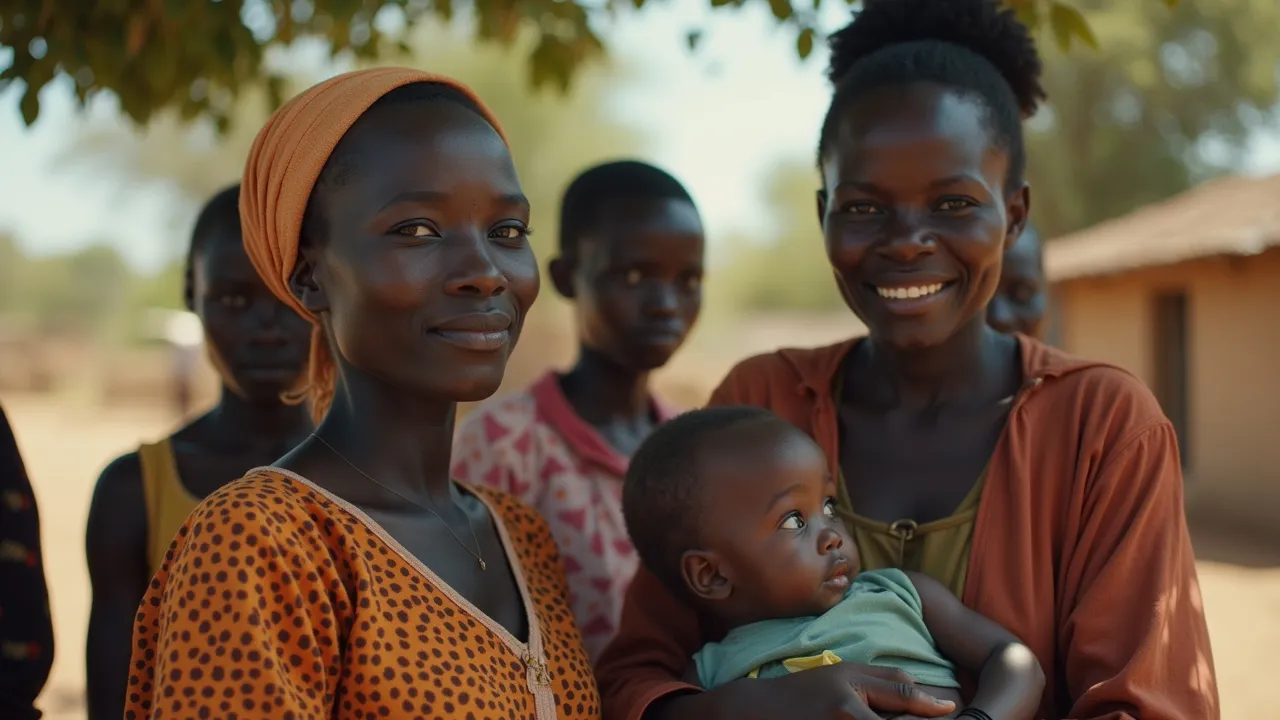
The International Day to End Obstetric Fistula, observed on May 23rd, unites global efforts to eliminate this preventable childbirth injury. It champions maternal health, dignity, and access to life-saving surgery for all women.
Understanding Obstetric Fistula and the International Day
The International Day to End Obstetric Fistula is a global observance dedicated to raising awareness and mobilizing action against one of the most devastating childbirth injuries: obstetric fistula. This condition, a hole between the birth canal and bladder or rectum, results from prolonged, obstructed labor without timely medical intervention. It leaves women incontinent, socially ostracized, and often condemned to a life of poverty and isolation. Yet, obstetric fistula is almost entirely preventable and treatable through skilled surgical repair.
Observed annually on May 23rd, this day serves as a catalyst for governments, healthcare providers, and communities to renew their commitment to ending fistula. It highlights the urgent need for universal access to maternal healthcare, family planning, and emergency obstetric services. The observance also celebrates the resilience of survivors and the progress made in fistula repair and reintegration programs worldwide.
Why May 23rd Matters
The date was chosen by the United Nations General Assembly in 2012 to coincide with the launch of the global Campaign to End Fistula, spearheaded by the UNFPA. Since then, May 23rd has become a rallying point for advocacy, fundraising, and education across continents. It is a day to honor the thousands of women who have undergone successful fistula surgery and to amplify the voices of those still waiting for care.
The Historical Origins & Evolutionary Journey
The Foundational Catalyst
The modern movement to end obstetric fistula gained momentum in the late 20th century, driven by the recognition of fistula as a neglected public health issue. Early pioneers like Dr. Catherine Hamlin and Dr. Reginald Hamlin established the Addis Ababa Fistula Hospital in Ethiopia in 1974, proving that dedicated surgical care could transform lives. Their work inspired global advocacy, culminating in the UNFPA's Campaign to End Fistula launched in 2003. This campaign brought together governments, NGOs, and medical professionals to train surgeons, fund treatments, and promote prevention.
The Legislative/Official Adoption
On December 20, 2012, the United Nations General Assembly adopted resolution A/RES/67/148, officially designating May 23rd as the International Day to End Obstetric Fistula. The resolution called upon all states, organizations, and individuals to observe the day with activities that raise awareness and accelerate action. This milestone marked a turning point, integrating fistula elimination into the global development agenda, including the Sustainable Development Goals (SDGs), particularly Goal 3 (Good Health and Well-being) and Goal 5 (Gender Equality).
Modern Global Legacy
Since the first observance in 2013, the day has evolved into a powerful platform for advocacy. Annual themes, such as "Breaking the Cycle: Fistula Prevention and Reproductive Health" and "Investing in Women's Health: A Path to Ending Fistula," guide campaigns. Survivors have become vocal advocates, sharing their stories to reduce stigma. Technological advances, including telemedicine and mobile health clinics, have expanded access to care. As of 2024, over 100,000 fistula repair surgeries have been performed worldwide through UNFPA-supported programs, but an estimated 2 million women still live with untreated fistula—a reminder of the work ahead.
How to Celebrate International Day to End Obstetric Fistula
Observing this day involves a mix of education, advocacy, and direct action. Whether you are an individual, a school, or an organization, here are concrete strategies to make a meaningful impact. Activities can be tailored to local contexts and resources.
For Individuals
- Educate yourself and others: Read about obstetric fistula from reputable sources like UNFPA or World Health Organization. Share facts on social media using the hashtag #EndFistula.
- Donate to fistula repair programs: Support organizations such as the Fistula Foundation or Hamlin Fistula Ethiopia. Even small contributions can fund a surgery for a woman in need.
- Host a fundraising event: Organize a bake sale, charity run, or virtual movie screening of documentaries like "A Walk to Beautiful."
- Write to elected officials: Advocate for increased funding for maternal health in developing countries. Use sample letters provided by advocacy groups.
For Schools and Universities
- Integrate into curriculum: Teachers can dedicate a lesson to reproductive health and global inequalities. Assign projects on fistula prevention.
- Organize awareness campaigns: Set up information booths with posters and brochures. Host a speaker, either a survivor or a healthcare professional.
- Student-led initiatives: Form a club focused on maternal health. Plan a drive to collect funds or supplies for fistula centers.
For Organizations and Businesses
- Corporate social responsibility (CSR): Match employee donations to fistula charities. Offer paid time off for volunteering at related NGOs.
- Internal education: Send a company-wide email with key facts. Feature stories of fistula survivors in newsletters.
- Partner with local health centers: Sponsor free health camps that include fistula screening and referrals.
Global Traditions and Variations
In Ethiopia, the day is marked by survivor-led marches and community dialogues. In Nigeria, radio programs and public forums address myths about fistula. India hosts surgical camps in rural areas. No matter where you are, the core principles remain: raise awareness, support survivors, and push for systemic change.
Global Impact and Progress in Fistula Elimination
Since the International Day's establishment, significant strides have been made. The global community has mobilized resources, trained thousands of surgeons, and performed hundreds of thousands of repairs. Yet, the burden remains unevenly distributed across Sub-Saharan Africa and South Asia, where poverty, early marriage, and lack of healthcare persist.
Success Stories
- Ethiopia: The Hamlin Fistula Hospitals have treated over 60,000 women since 1974, with a success rate exceeding 90% for first-time repairs.
- Bangladesh: The National Fistula Centre, in partnership with UNFPA, has reduced the prevalence of fistula by 60% in targeted districts over a decade.
- Global partnerships: The Fistula Foundation's "Help Women Worldwide" initiative has funded over 30,000 surgeries across 30 countries.
Measuring Impact
Key indicators include the number of surgeries performed, training of healthcare workers, and awareness levels. However, challenges in data collection mean many cases remain unreported. The Every Woman Every Child movement and the Global Strategy for Women's, Children's, and Adolescents' Health have integrated fistula elimination targets.
The Role of Healthcare Systems and Community Interventions
Preventing obstetric fistula requires robust healthcare systems that ensure every woman has access to skilled birth attendance and emergency obstetric care. Community-based interventions are equally vital to address cultural barriers and promote timely care-seeking behavior.
Strengthening Health Infrastructure
Governments and partners invest in building and equipping maternity facilities, training midwives, and establishing referral networks. For example, in Malawi, the government has deployed community health workers to identify pregnant women at risk and facilitate transport to hospitals. Such measures reduce the incidence of prolonged labor, the primary cause of fistula.
Community Education and Empowerment
Educational campaigns help dispel myths that fistula is a curse or punishment. Survivors often become powerful educators, sharing their stories to encourage others to seek care. Local leaders and religious figures are engaged to shift social norms. In Uganda, village savings and loan groups enable women to afford transport to health facilities, reducing delays.
Rehabilitation and Reintegration
Surgery alone is not enough. Comprehensive care includes physical therapy, counseling, and skills training to help survivors reintegrate into their communities. Programs like the Fistula Empowerment Fund provide microloans and job training, restoring economic independence and self-esteem.
Challenges and the Path Forward
Despite progress, formidable obstacles remain. The estimated 2 million women living with untreated fistula face multiple barriers: poverty, geographic isolation, lack of awareness, and stigma. The COVID-19 pandemic exacerbated these challenges by disrupting health services and diverting resources.
Key Challenges
- Funding gaps: The global annual cost to eliminate fistula is estimated at $2 billion, but current funding covers only a fraction.
- Shortage of skilled surgeons: Many countries have fewer than one trained fistula surgeon per million people.
- Data invisibility: Lack of systematic surveillance means many cases are hidden, especially in conflict-affected regions.
- Social stigma: Women with fistula are often abandoned by husbands and communities, making outreach difficult.
Strategic Priorities
The global community has outlined a path forward centered on the Global Roadmap to End Fistula, which calls for: (1) universal access to family planning and skilled birth attendance; (2) scaling up surgical services with quality standards; (3) strengthening data systems for accountability; and (4) engaging communities to end stigma. International Day observances provide a concentrated moment to advocate for these priorities and hold leaders accountable.
How You Can Contribute
Beyond May 23rd, sustained engagement is crucial. Support organizations that train surgeons, fund research, and amplify survivor voices. Advocate for policies that prioritize maternal health. By working together, we can make obstetric fistula a condition of the past.
Historical Timeline
Dr. Catherine Hamlin and Dr. Reginald Hamlin establish the Addis Ababa Fistula Hospital in Ethiopia, pioneering dedicated surgical care for obstetric fistula.
The United Nations Population Fund (UNFPA) launches the global Campaign to End Fistula, mobilizing international resources and political commitment.
The UN General Assembly adopts resolution A/RES/67/148, designating May 23rd as the International Day to End Obstetric Fistula.
First official observance of the International Day to End Obstetric Fistula on May 23rd, with events worldwide raising awareness and funds.
The Sustainable Development Goals include a specific target to reduce maternal mortality and end obstetric fistula as a neglected condition.
The Global Roadmap to End Fistula is launched, outlining a decade-long strategy to eliminate the condition by 2030.
UNFPA reports over 100,000 fistula repair surgeries performed globally since 2003, but highlights that an estimated 2 million women still await treatment.