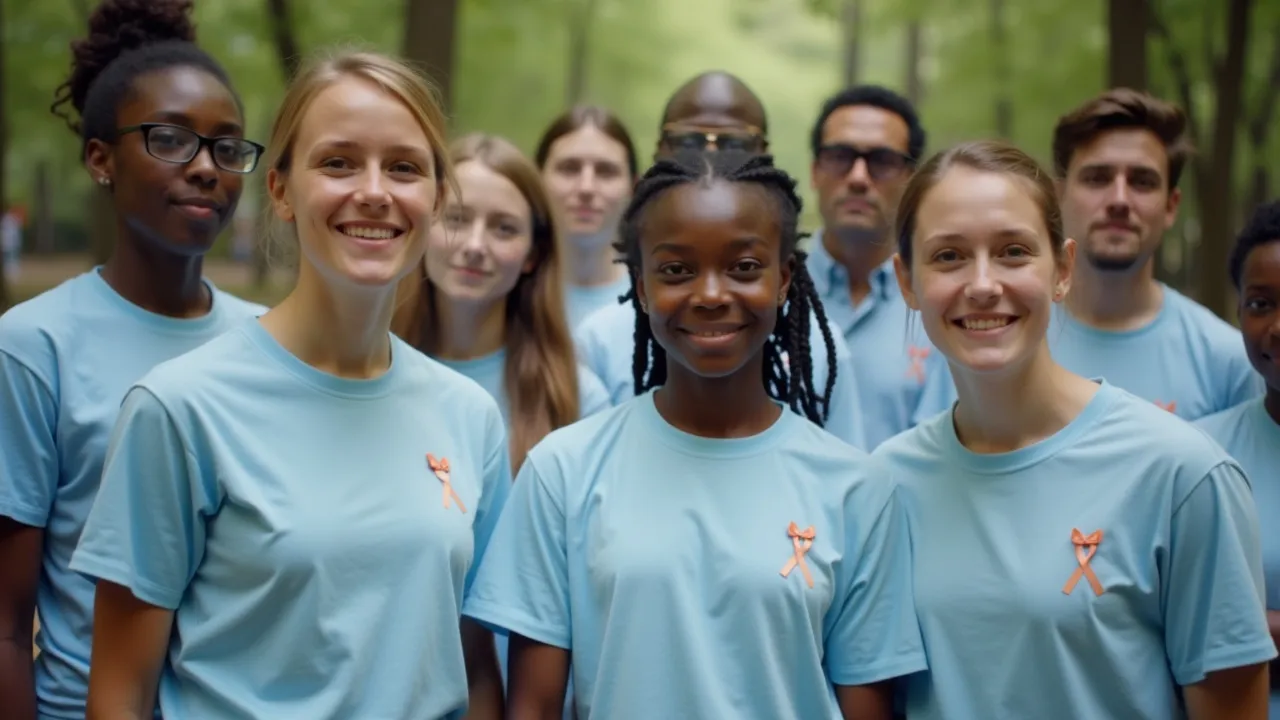
World Sjögren's Day on July 23rd raises global awareness for Sjögren's syndrome, an autoimmune disease affecting millions. Join the movement to educate, support research, and empower patients.
The Historical Origins & Evolutionary Journey of World Sjögren's Day
World Sjögren's Day commemorates the birthday of Dr. Henrik Sjögren (1899-1986), the Swedish ophthalmologist who first identified the disease that now bears his name. The observance was established by the Sjögren's Syndrome Foundation (SSF) to unite patients, caregivers, and healthcare professionals in raising global awareness.
The Foundational Catalyst
In 1933, Dr. Sjögren published his doctoral dissertation describing 19 women with dry eyes and dry mouth, linking these symptoms to a systemic autoimmune disorder. His work laid the cornerstone for understanding this complex condition. However, it wasn't until decades later that the international community recognized the need for a dedicated awareness day.
The Legislative/Official Adoption
The SSF launched the first World Sjögren's Day on July 23, 2012, with a series of educational events, patient support initiatives, and media campaigns. Over the years, the day gained official proclamations from various governments and endorsements from major medical organizations. Key milestones include:
- 2012: First official World Sjögren's Day with events in the United States and Europe.
- 2015: The American College of Rheumatology officially recognizes the day.
- 2018: The World Health Organization (WHO) acknowledges Sjögren's as a significant global health issue.
- 2023: Over 50 countries participate, with landmark legislative advances in research funding.
Modern Global Legacy
Today, World Sjögren's Day serves as a platform to educate the public, advocate for research funding, and foster community support. The day is marked by patient-led walks, lighting landmarks in teal (the awareness color), and social media campaigns. It continues to evolve with digital health innovations and global partnerships, aiming to shorten the average time to diagnosis (currently 4-7 years) and improve quality of life for millions.
Understanding Sjögren's Syndrome: The Disease Behind the Day
Sjögren's syndrome is a chronic autoimmune disorder where the immune system attacks moisture-producing glands, leading to severe dryness of the eyes and mouth, but also affecting joints, skin, and organs. It affects about 4 million people in the US alone, with 90% being women. Here's a closer look:
Key Symptoms
- Ocular dryness: Gritty, burning sensation in the eyes.
- Oral dryness: Difficulty swallowing, speaking, or tasting.
- Systemic involvement: Fatigue, joint pain, and neuropathy.
- Complications: Increased risk of lymphoma and dental decay.
Diagnosis and Challenges
Diagnosis is often delayed due to symptom overlap with other autoimmune diseases. Standard tests include Schirmer's test for tear production and labial biopsy. World Sjögren's Day emphasizes the need for faster diagnosis and better biomarkers.
Impact on Daily Life
Patients often manage their condition with artificial tears, saliva substitutes, and immunosuppressants. The day promotes strategies like
- Using humidifiers at home.
- Staying hydrated with water and sugar-free lozenges.
- Regular dental visits due to high caries risk.
How to Celebrate World Sjögren's Day
World Sjögren's Day offers actionable ways for individuals, organizations, and communities to contribute. Here's a definitive guide:
Individuals: Take Action
- Wear Teal: Don teal clothing or ribbons to spark conversations.
- Share Your Story: Post on social media using #WorldSjogrensDay and #TealForSjogrens.
- Fundraise: Host a bake sale, run, or online campaign for the Sjögren's Syndrome Foundation.
Schools and Workplaces: Educate
- Organize a lunch-and-learn with a local rheumatologist.
- Distribute educational flyers about Sjögren's symptoms.
- Light up a building in teal and share photos.
Global Celebrations: Diverse Traditions
United States: Walks and symposiums in major cities. United Kingdom: Patient meetups and NHS educational posters. Japan: Online webinars with leading researchers. Australia: Fundraising BBQs and charity runs. Each region adapts the day to local culture while emphasizing core messages of awareness, support, and research.
Global Impact and Awareness Efforts
World Sjögren's Day has significantly amplified global attention on Sjögren's syndrome. The day's impact can be measured in several dimensions:
Awareness Statistics
- Social media reach: Over 100 million impressions annually.
- Media coverage: Featured in major outlets like New York Times, BBC, and WebMD.
- Proclamations: Over 30 US states and 20 countries issue official declarations.
Advocacy and Policy
The day galvanizes advocacy for increased research funding. In 2022, the US Congress allocated an additional $10 million for autoimmune research partly due to World Sjögren's Day campaigns. International collaborations have led to standardized diagnostic criteria and treatment guidelines.
Community Building
Virtual events during the pandemic (since 2020) have permanently expanded access, enabling remote participation from underserved regions. Support groups have formed in India, Brazil, and South Africa, reducing isolation.
Research and Treatment Advances
World Sjögren's Day serves as a catalyst for showcasing scientific progress. Recent breakthroughs include:
Biological Therapies
- Rituximab: Targets B cells to reduce systemic symptoms.
- Belimumab: Blocks BAFF protein to lower autoantibody levels.
- New drug trials: Novel agents targeting interferon pathways are in Phase III trials.
Diagnostic Innovations
- Salivary gland ultrasound: Non-invasive imaging detects gland damage early.
- Gene expression profiling: Identifies patient subsets for personalized medicine.
- AI-based dry eye assessment: Smartphone apps estimate tear film quality.
Patient-Centric Developments
Digital tools like symptom trackers and telemedicine access are transforming care. The day highlights these advances to inspire hope and accelerate adoption.
How You Can Support the Sjögren's Community
Beyond awareness, tangible support matters. Here are concrete ways to help:
Volunteer
- Join the SSF's advocacy network to contact legislators.
- Moderate online support groups or help with local events.
Donate
Funds directly support research grants, educational materials, and patient assistance programs. Even small recurring donations make a difference.
Corporate Partnerships
Businesses can sponsor research or match employee donations. Many companies offer teal-themed products where proceeds benefit Sjögren's organizations.
Historical Timeline
Dr. Henrik Sjögren publishes his doctoral dissertation describing 19 women with dry eyes and dry mouth, establishing the syndrome's foundation.
The term 'Sjögren's syndrome' is officially adopted at an international conference.
The Sjögren's Syndrome Foundation (SSF) is founded in the United States to support patients and research.
First World Sjögren's Day observed on July 23rd, organized by the SSF to honor Dr. Sjögren's birthday.
World Sjögren's Day gains official recognition from the American College of Rheumatology.
WHO acknowledges Sjögren's as a significant global health issue, boosting international awareness campaigns.
Virtual events become the norm due to COVID-19, expanding global reach and participation.
Over 50 countries participate in World Sjögren's Day; landmark research funding bill passed in US Congress.
First global patient registry launched, enabling real-world data collection to improve treatments.