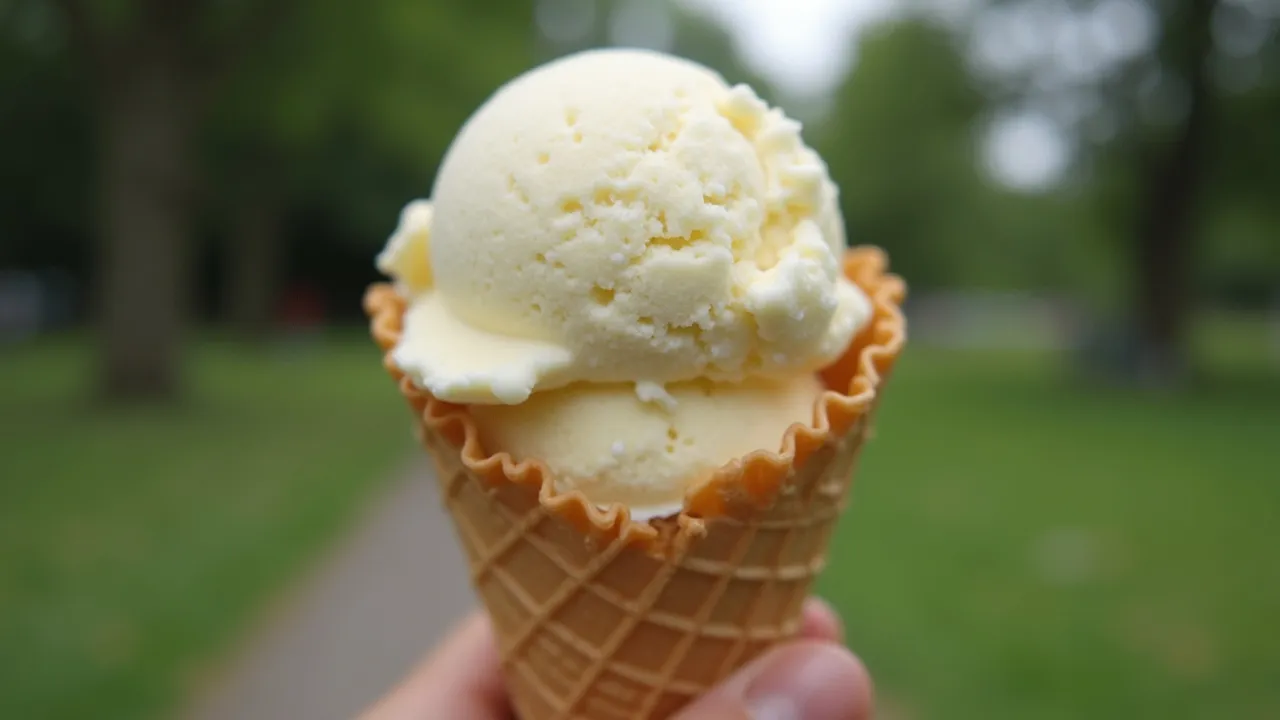
National Vanilla Ice Cream Day, celebrated on July 23rd, pays tribute to the classic flavor that has delighted taste buds for centuries. From its humble beginnings to its status as a global favorite, this day honors vanilla's pure, creamy perfection.
The Historical Origins & Evolutionary Journey of Vanilla Ice Cream Day
The Foundational Catalyst: From Ancient Orchids to Frozen Treats
Vanilla, derived from orchids of the genus Vanilla, has a rich history that begins with the Totonac people of modern-day Mexico. They cultivated the vanilla vine and used its pods to flavor a ceremonial drink called xocoatl, a precursor to chocolate. When Spanish conquistador Hernán Cortés arrived in the early 16th century, he brought vanilla back to Europe, where it quickly became a luxury ingredient.
The marriage of vanilla with ice cream is believed to have occurred in the 18th century. Early ice cream recipes, such as the one recorded by Englishwoman Hannah Glasse in 1751, called for vanilla pods. Thomas Jefferson, an avid epicure, is credited with writing down one of the first vanilla ice cream recipes in the United States after his tenure as ambassador to France.
The Legislative/Official Adoption of a National Day
Unlike many official holidays, National Vanilla Ice Cream Day was not decreed by a government body. Instead, it emerged organically from the ice cream industry and food enthusiast communities. By the late 20th century, ice cream manufacturers and dairy associations promoted the day to boost sales and celebrate the most popular flavor. While the exact year of the first celebration remains unclear, the day gained prominence through social media and marketing campaigns in the early 2000s.
Modern Global Legacy
Today, National Vanilla Ice Cream Day is observed not only in the United States but also in various countries through local events, social media hashtags, and special promotions. The day serves as a reminder of vanilla's versatility—it pairs with nearly every topping, from hot fudge to fresh berries, and forms the base for countless desserts. The global vanilla industry, centered in Madagascar, Indonesia, and Mexico, continues to supply the over 2,000 metric tons of vanilla beans consumed annually, much of which goes into ice cream production.
How to Celebrate National Vanilla Ice Cream Day
Celebrating National Vanilla Ice Cream Day is a deliciously simple affair, but there are countless ways to elevate the experience. Below are structured recommendations for individuals, families, schools, and organizations.
For Individuals and Families
- Create Your Own Sundae Bar: Set out bowls of toppings—hot fudge, caramel, sprinkles, nuts, fresh fruit, whipped cream—and let everyone customize their vanilla base.
- Try Artisanal Vanilla: Seek out small-batch brands made with real vanilla beans from Madagascar, Tahiti, or Mexico. Compare the flavor profiles of different origins.
- Bake with Vanilla: Make homemade vanilla ice cream using a simple custard base, or bake vanilla cupcakes, cakes, or cookies to enjoy alongside a scoop.
- Visit a Local Ice Cream Shop: Support local businesses by visiting an ice cream parlor that offers house-made vanilla. Many shops offer special deals on July 23rd.
For Schools and Community Groups
- Educational Activities: Teach students about the history of vanilla, its cultivation, and the science of freezing. Conduct a taste test of different vanilla varieties.
- Fundraiser: Organize a vanilla ice cream social where proceeds go to a local charity. Sell bowls, cones, or floats.
- Cultural Exchange: Invite speakers from vanilla-producing regions to discuss the economic and cultural significance of vanilla farming.
For Organizations and Corporations
Employee Engagement
- Ice Cream Cart: Surprise employees with a mobile ice cream cart serving premium vanilla soft serve or scoops.
- Recipe Contest: Host a "best vanilla ice cream creation" competition among staff, with categories like "most innovative topping" or "best flavor pairing".
Marketing Campaigns
- Social Media Challenge: Encourage followers to share photos of their vanilla ice cream creations using a branded hashtag. Reward the best entries with gift cards or merchandise.
- Limited-Edition Flavors: Launch a special vanilla-based product for the day, such as a vanilla bean latte or a vanilla ice cream sandwich.
Global Variations in Celebration
While the date remains consistent worldwide, traditions vary. In the United States, large ice cream chains offer buy-one-get-one-free deals. In Mexico, where vanilla originates, parlor celebrations often include traditional vanilla flan. In France, patisseries pair vanilla ice cream with macarons. In India, vendors sell vanilla kulfi with saffron and pistachios. No matter where you are, the universal love for vanilla unites ice cream fans across cultures.
The Cultural Impact of Vanilla Ice Cream: From Plain to Iconic
Vanilla as a Blank Canvas
Vanilla ice cream is often dismissed as "plain" or "boring," yet this perception belies its true cultural weight. In the culinary world, vanilla serves as the ultimate blank canvas—its subtle flavor enhances rather than overwhelms. This neutrality makes it the most paired ice cream in desserts, from apple pie to brownies. The phrase "vanilla" has also entered the English language as a descriptor for anything ordinary, but ironically, vanilla ice cream remains the best-selling flavor globally, outselling chocolate and strawberry combined.
Vanilla in Film and Literature
Vanilla ice cream has appeared in countless films, often symbolizing nostalgia or simplicity. In the 1985 film The Goonies, a bowl of vanilla ice cream is a comfort food. In literature, authors from Laura Ingalls Wilder to Haruki Murakami have used vanilla ice cream to evoke a sense of childhood or normalcy. Its cultural resonance lies in its universality—it is the treat that almost everyone loves.
The Rise of Superpremium Vanilla
In the late 20th century, brands like Häagen-Dazs and Ben & Jerry's elevated vanilla by using high-quality beans and higher butterfat content. This shift transformed vanilla from a commodity into a luxury product, with artisanal producers now offering single-origin vanillas that reflect terroir. The rise of the "vanilla snob" has added complexity to the flavor's reputation, proving that there is nothing simple about a well-made vanilla ice cream.
Health and Nutritional Aspects of Vanilla Ice Cream
Nutritional Profile
A standard serving of vanilla ice cream (1/2 cup) contains approximately 140-200 calories, 7-10 grams of fat, 18-22 grams of carbohydrates, and 2-3 grams of protein. It also provides calcium, vitamin A, and small amounts of other nutrients. Real vanilla contains vanillin, which has antioxidant properties. However, many commercial brands use artificial vanillin, which lacks these benefits.
Healthier Alternatives
- Low-Fat Vanilla Ice Cream: Light versions reduce fat and calories but often add sugar to maintain texture.
- No-Sugar-Added Vanilla: Sweetened with sugar alcohols or stevia, suitable for diabetics.
- Non-Dairy Vanilla: Made from almond, coconut, oat, or soy milk, these options are lactose-free and often lower in saturated fat. Check labels for added sugars.
Moderation and Enjoyment
While vanilla ice cream is a treat, it can be part of a balanced diet when consumed in moderation. Pairing it with fresh fruit adds fiber and vitamins. Additionally, making ice cream at home allows control over ingredients, reducing artificial additives. The key is to savor the experience consciously.
The Global Vanilla Industry: Production, Sustainability, and Economics
Major Vanilla Producers
Vanilla is one of the most labor-intensive crops in the world, requiring hand-pollination and careful curing. Over 80% of the world's vanilla comes from Madagascar, with additional production from Indonesia, Mexico, Tahiti, and Uganda. The plant is an orchid that takes 2-4 years to produce beans once planted.
Supply and Price Volatility
The vanilla market is notoriously volatile. Natural disasters, political instability, and market speculation can cause prices to skyrocket. For example, after Cyclone Enawo hit Madagascar in 2017, vanilla prices tripled. This price fluctuation drives many manufacturers to use artificial vanillin, which is cheaper but lacks the complexity of real vanilla.
Sustainability Challenges
- Labor Conditions: Much of the world's vanilla is grown by smallholder farmers who may face poverty and exploitation. Fair trade initiatives aim to ensure fair wages and ethical practices.
- Climate Change: Vanilla orchids are sensitive to temperature and rainfall changes. Shifting weather patterns threaten yields, particularly in Madagascar.
- Deforestation: Some vanilla farming leads to forest clearing, although vanilla can be grown under shade trees, which supports biodiversity.
Consumer Choices
Choosing ice cream made with real vanilla and certified fair trade or organic can support sustainable farming. Several brands now source vanilla directly from cooperatives, ensuring farmers receive a living income. By celebrating National Vanilla Ice Cream Day, consumers can advocate for a more equitable and resilient vanilla industry.
Vanilla Ice Cream in Popular Culture and Scientific Research
Vanilla as a Universal Favorite
Psychologists have studied why vanilla is the most preferred ice cream flavor. The answer lies in its familiar, comforting scent and taste, which activate the brain's reward centers without triggering strong novelty or aversion. Vanilla's aroma is also associated with positive memories, making it a nostalgic choice for many.
Vanilla in the Lab
Scientific research on vanilla extends beyond flavor. Vanillin, the primary compound in vanilla, has been studied for its potential antimicrobial and antioxidant effects. It is also used in the synthesis of other compounds, including some pharmaceuticals. Additionally, the development of synthetic vanillin in the late 19th century revolutionized the flavor industry and paved the way for other artificial flavorings.
Vanilla Ice Cream in Space
Even astronauts crave vanilla ice cream. In the early days of spaceflight, freeze-dried ice cream (often vanilla) was developed as a space food. Although it never flew on early missions, it became a popular novelty item. Today, astronauts on the International Space Station occasionally enjoy real vanilla ice cream provided by resupply missions, a small taste of Earthly comfort.
Historical Timeline
The Totonac people of Mexico cultivate and use vanilla in ceremonial drinks. They are the first to discover the flavor of vanilla orchids.
Spanish conquistadors bring vanilla beans to Europe. The spice becomes a luxury ingredient for the wealthy.
English cookbook author Hannah Glasse publishes one of the earliest known recipes for vanilla ice cream, calling for 'vanilla pods in sugar'.
Thomas Jefferson writes a recipe for vanilla ice cream after his stay in France, helping popularize the dessert in the United States.
Nancy Johnson patents the hand-cranked ice cream freezer, making ice cream production easier and more accessible at home.
The invention of artificial vanillin by chemists Wilhelm Haarmann and Ferdinand Tiemann makes vanilla flavor affordable and widely available.
Vanilla ice cream is a standout at the St. Louis World's Fair, where it is served with various toppings, helping solidify its popularity.
Commercial ice cream production booms after World War II. Vanilla becomes the best-selling flavor, a position it holds to this day.
Premium ice cream brands like Häagen-Dazs and Ben & Jerry's emerge, offering high-quality vanilla made from real beans.
National Vanilla Ice Cream Day gains recognition through internet culture, social media campaigns, and promotions by dairy associations.