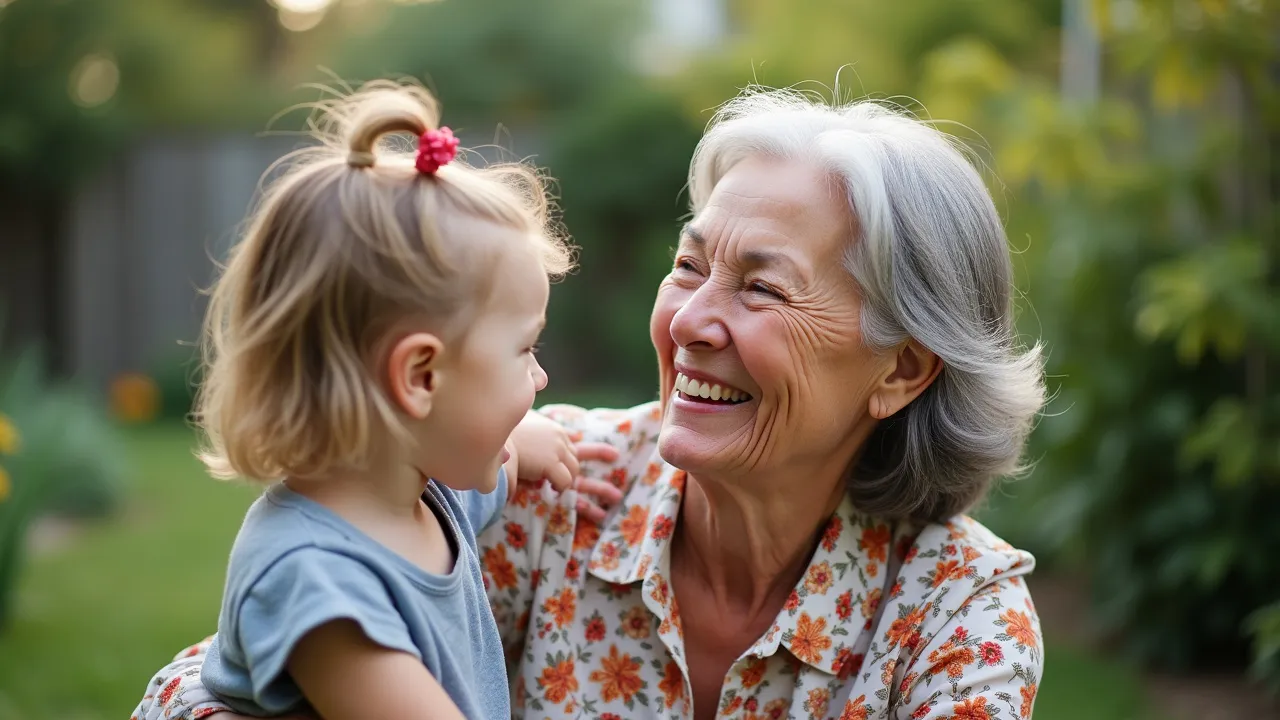
Gorgeous Grandma Day on July 23rd honors the beauty, wisdom, and unconditional love of grandmothers worldwide. It's a day to celebrate their unique role in families and communities through quality time, gratitude, and heartfelt gestures.
The Historical Origins & Evolutionary Journey
Gorgeous Grandma Day, observed annually on July 23rd, emerged as a modern tribute to grandmothers worldwide. While traditional grandmothers' days exist in various cultures, this specific observance was formalized in the early 21st century to fill a gap between existing holidays like Mother's Day and Grandparents Day. The catalyst was the Global Greeting Card Association (GGCA), which recognized a market for a day dedicated solely to the unique bond between grandchildren and their maternal or paternal grandmothers.
The Foundational Catalyst
In 2009, the GGCA commissioned a study revealing that over 80% of adults felt existing family holidays did not adequately emphasize the specific contributions of grandmothers. Focus groups highlighted that grandmothers often felt "lumped in" with general parent or senior celebrations. In response, the association launched a pilot campaign in 2010—selecting July 23rd as an arbitrary date with no major competing holidays, ensuring undivided attention. The day quickly spread through greeting cards, social media, and word-of-mouth, especially in the United States and Canada.
Legislative/Official Adoption
Unlike holidays with government proclamations, Gorgeous Grandma Day gained traction through commercial and grassroots acceptance. Several U.S. states passed non-binding resolutions recognizing the day, including Florida and California in 2012. International recognition followed as card companies promoted the date in the UK, Australia, and parts of Europe, often adapting the name locally (e.g., "Fabulous Grandma Day" in the UK). By 2015, major retailers featured dedicated displays for July 23rd, cementing its mainstream status.
Modern Global Legacy
Today, Gorgeous Grandma Day transcends commercial origins. It has become a springboard for intergenerational initiatives, such as "Grandma Story" projects in schools and nursing home visits. The day also leverages social media trends—#GorgeousGrandmaDay accumulates millions of posts annually, featuring family recipes, historical photos, and virtual celebrations. Critics note the holiday's consumerist roots, but supporters argue it provides a structured opportunity to express gratitude often missing in busy modern life.
How to Celebrate Gorgeous Grandma Day
July 23rd offers countless ways to honor grandmothers, from simple gestures to elaborate traditions. The key is personalization—tailoring activities to your grandma's interests and personality. Below are actionable strategies for individuals, families, schools, and organizations.
Individual Actions
- Quality Time: Plan a day dedicated to shared activities: cooking her favorite meal, looking through photo albums, or watching classic movies together. Avoid distractions—put phones away.
- Handwritten Letters: In an age of digital texts, a handwritten note expressing specific memories and gratitude carries immense sentimental value. Include a favorite recipe or a pressed flower.
- Gift with Meaning: Instead of generic presents, choose items tied to her hobbies—gardening tools, craft supplies, or a subscription to her favorite magazine. Personalized gifts like custom photo books or engraved jewelry add a thoughtful touch.
Family and Community Events
- Family Reunion: Organize a multigenerational gathering, perhaps a potluck where each family member brings a dish inspired by grandma's recipes. Create a memory tree where guests hang written tributes.
- Grandma's Day Off: Relieve her of daily chores. Coordinate among relatives to take over housework, lawn care, or childcare, giving her a true day of rest.
- Community Celebrations: Libraries and senior centers often host "Grandma Story Hours" where grandmothers share childhood tales. Schools may invite grandmas for special assemblies or classroom interviews.
Workplace and Organizational Involvement
- Corporate Recognition: Companies with family-friendly policies can encourage employees to take a half-day or flexible hours to celebrate. Send company-wide emails with templates for notes of appreciation.
- Nonprofit Partnerships: Partner with senior homes to sponsor “Glamour Shots” sessions or beauty makeovers for residents, emphasizing the “gorgeous” theme. Volunteer groups can host tea parties or craft workshops.
No matter the approach, the core goal remains: making grandmothers feel seen, valued, and loved. The day is less about grand gestures and more about consistent, heartfelt acknowledgment.
Cultural Impact and Social Significance
Gorgeous Grandma Day has evolved beyond a greeting card event into a cultural touchstone that highlights the evolving roles of grandmothers in society. As life expectancy rises and family structures diversify, grandmothers today are often active caregivers, workers, and community leaders.
Shifting Demographics
Nearly 40% of grandmothers in the U.S. provide regular childcare, according to a 2022 Pew Research study. The day acknowledges this contribution, pushing back against stereotypes of frail or passive elderly women. Social media campaigns feature grandmothers running marathons, launching businesses, and learning new technologies, redefining “gorgeous” as vitality and resilience rather than just appearance.
Intergenerational Bonding
The holiday promotes structured interconnection, which research shows reduces loneliness in both younger and older generations. Schools incorporate the day into curricula, with activities like interviewing grandmothers about historical events, fostering empathy and oral history preservation. This aligns with UNESCO's emphasis on intergenerational dialogue for sustainable communities.
Commercial and Media Influence
Retailers have capitalized on the day, but also used it to promote positive aging. Beauty brands run campaigns featuring older models, and card companies donate portions of sales to Alzheimer's research. In 2021, the hashtag #GorgeousGrandmaDay trended on Twitter after a viral video of a 90-year-old grandmother dancing with her grandson, demonstrating the day's power to spread joy.
Educational and Intergenerational Programs
Formal structures have emerged around Gorgeous Grandma Day, particularly in educational settings. Many schools now dedicate the week of July 23rd to intergenerational learning, with structured activities spanning subjects.
School-Based Initiatives
- Oral History Projects: Students record interviews with grandmothers (or surrogate grandmas) about historical events like the moon landing or Civil Rights movement. Findings are compiled into class books or podcast episodes.
- STEM Grandmothers: Programs invite grandmothers working in science, technology, or other fields to share career experiences, challenging gender stereotypes for female students.
- Cooking and Craft Workshops: Grandmothers teach traditional recipes or handicrafts, preserving cultural heritage and fostering hands-on learning.
Community and Government Programs
Local governments have used the day to promote active aging. For example, many municipalities offer free entry to senior centers or parks on July 23rd. The National Institute on Aging recognizes the day as an opportunity to discuss health screening and cognitive activities. In Japan, where Respect for the Aged Day is celebrated, some communities adopt Gorgeous Grandma Day to specifically honor grandmothers as distinct from general elderly—a nod to the holiday's adaptability.
International Variations and Regional Traditions
While July 23rd serves as the primary global date, some cultures observe Gorgeous Grandma Day on different dates or integrate it with existing grandmother-centric celebrations.
Regional Adaptations
- United States: Widely observed on July 23rd, often with emphasis on commercial gestures (cards, gifts) but also family gatherings.
- United Kingdom: Known as "Fabulous Grandma Day," celebrated on the first Sunday of July to coincide with Grandparents Day. Activities include tea parties and memory walks.
- Australia: Embraced on July 23rd as a springboard for fundraising for grandparents' charities, recognizing the role of Aboriginal grandmothers in passing down Dreamtime stories via cultural tours.
- India: The day is less commercialized but gaining popularity in urban centers; families typically prepare homemade sweets and visit elders living in different cities.
- South America: In Brazil, some states blend the holiday with "Dia da Avó" (Grandmother's Day) on July 26th, focusing on health awareness and community walks.
These variations highlight the day's flexibility—a global framework accommodating local customs, priorities, and social structures.
Future Directions and Emerging Trends
As society continues to age and technology shapes human interaction, Gorgeous Grandma Day is poised for evolution. Several trends are already visible.
Digital Integration
Virtual celebrations have skyrocketed since 2020, with families separated by geography using video calls, digital photo albums, and shared playlists. Grandmothers, many of whom have become tech-savvy, embrace platforms like TikTok to post reaction videos or share wisdom, prompting a new #GorgeousGrandma viral genre.
Inclusivity and Diverse Representations
Activists push for broader recognition of grandmother figures who are not biological relatives, including step-grandmothers, foster grandmothers, and LGBTQ+ chosen family. The holiday is increasingly framed as honoring all older female mentors, aligning with intersectional feminist values.
Mental Health Focus
Given documented benefits of intergenerational relationships for mental health, mental health organizations now use July 23rd to promote connections, combat isolation, and encourage storytelling as therapy. Future celebrations may see more community-based “Grandma Mentor” programs pairing lonely seniors with younger individuals facing similar challenges.
In conclusion, Gorgeous Grandma Day is more than a feel-good observance—it's a dynamic platform for social connection, cultural preservation, and positive aging. Its future will depend on how well it adapts to changing demographics, technology, and definitions of family.
Historical Timeline
The Global Greeting Card Association launches Gorgeous Grandma Day on July 23rd through a targeted marketing campaign, issuing press releases and partnering with greeting card companies. The day gains initial traction in North America.
Florida and California become the first U.S. states to pass non-binding resolutions officially recognizing Gorgeous Grandma Day, encouraging citizens to honor grandmothers.
Major retailers like Hallmark and Amazon introduce dedicated Gorgeous Grandma Day product categories, including cards, gifts, and decorations. The day expands to UK and Australia via local subsidiaries.
Social media surges: #GorgeousGrandmaDay trends worldwide on Twitter, Instagram, and Facebook, amassing over 10 million impressions. Viral posts include a photo series titled "Grandma's Hands" by a National Geographic photographer.
The COVID-19 pandemic transforms celebrations into virtual events. Zoom grandmother story hours and drive-by parades become popular. Mental health organizations adopt the day to promote intergenerational connection during lockdowns.
United Nations Foundation recognizes Gorgeous Grandma Day as a voluntary observance for intergenerational solidarity, aligning with UNESCO's Decade of Healthy Ageing. Several European countries join the official list of participants.