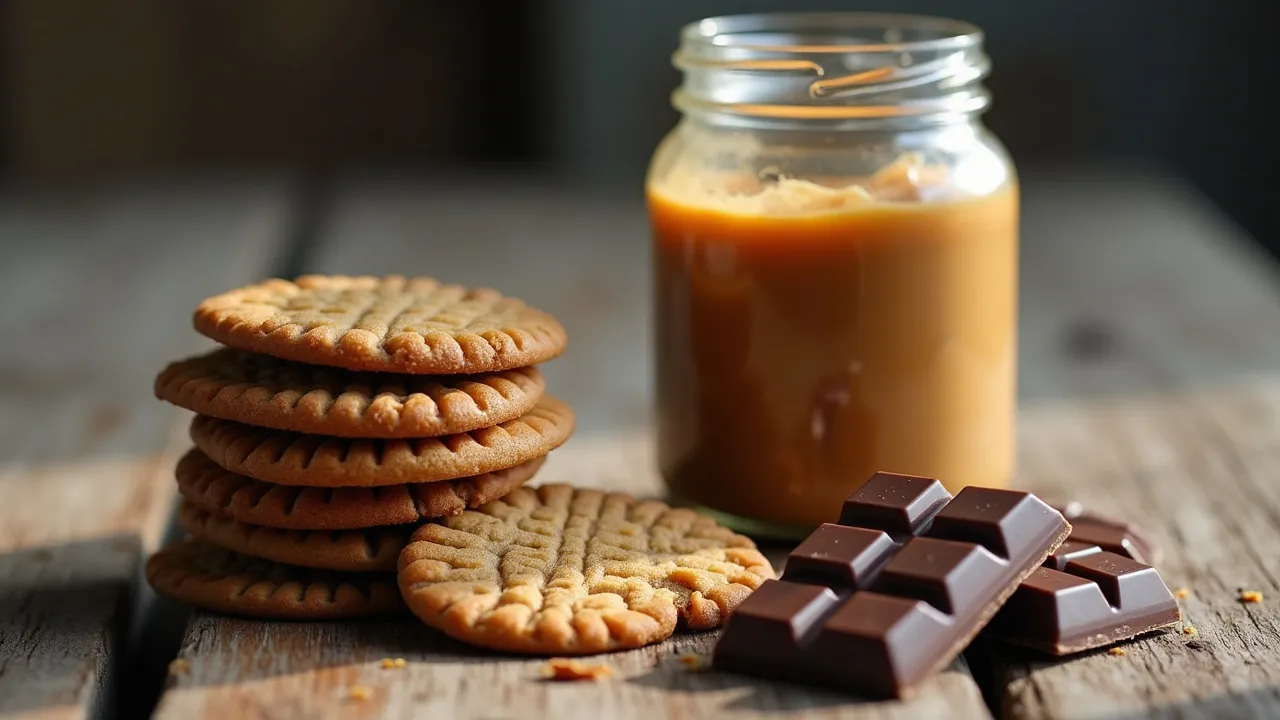
Celebrate Peanut Butter and Chocolate Day on July 23rd by indulging in the perfect sweet-and-salty duo. Discover the history of this iconic combination, from ancient Aztec cacao to modern candy bars.
The Historical Origins & Evolutionary Journey
Peanut Butter and Chocolate Day, observed annually on July 23rd, honors one of the most beloved flavor combinations in culinary history. While the exact origins of this unofficial holiday remain murky, it likely emerged as a grassroots celebration by candy enthusiasts and was later popularized by the National Confectioners Association. This section explores the deep historical roots of both ingredients and their eventual marriage.
The Foundational Catalyst: Ancient Cacao and Indigenous Peanuts
Chocolate’s story begins over 3,000 years ago in Mesoamerica, where the Olmecs first cultivated cacao. The Maya and Aztecs revered it as the “food of the gods,” consuming it as a bitter, frothy drink. Peanuts (actually legumes) originated in South America, with evidence of domestication in Peru as early as 7,600 years ago. European colonizers introduced both ingredients to the Old World, but it would take centuries before they were combined.
The Legislative/Official Adoption: The Birth of Peanut Butter and Chocolate Candies
In the late 19th century, Swiss chocolatier Daniel Peter invented milk chocolate in 1875, paving the way for smoother confections. Meanwhile, peanut butter was patented in 1884 by Marcellus Gilmore Edson and later popularized by Dr. John Harvey Kellogg. The pivotal moment came in 1928 when H.B. Reese, a former dairy employee of Milton Hershey, created Reese’s Peanut Butter Cups in his basement kitchen. This candy combined Hershey’s chocolate with his own peanut butter formula, instantly becoming a phenomenon. By 1969, Reese’s Cups were so popular that Hershey acquired the company. Other milestones include the 1972 introduction of the Peanut Butter Cup Blizzard at Dairy Queen and the 2015 launch of the Peanut Butter and Chocolate McFlurry by McDonald’s.
Modern Global Legacy
Today, the peanut butter and chocolate pairing is a staple in confectionery, baking, and even savory dishes. July 23rd serves as a day for foodies, brands, and home cooks to celebrate with recipes ranging from no-bake cookies to gourmet tarts. Social media amplifies the day with hashtags like #PeanutButterChocolateDay, and many companies offer limited-edition products. The combination’s nutritional profile—protein from peanuts and antioxidants from dark chocolate—also earns it a spot in health-conscious circles.
How to Celebrate Peanut Butter and Chocolate Day
Whether you prefer a classic Reese’s cup or a homemade vegan treat, July 23rd is your excuse to dive into this decadent duo. Here is the ultimate guide to celebrating across different lifestyles and cultures.
Best Practices for Individuals
- Bake from scratch: Try a peanut butter and chocolate chip cookie recipe, or make a no-bake chocolate peanut butter pie using crushed graham crackers and a rich ganache.
- Host a tasting party: Gather assorted chocolates (milk, dark, white) and peanut butters (smooth, crunchy, natural) to compare combinations. Serve with fresh fruit like bananas or strawberries for dipping.
- DIY candy gifts: Mold your own peanut butter cups using silicone molds and quality chocolate. Wrap in decorative paper and share with neighbors or coworkers.
Interactive Traditions for Schools and Communities
- Classroom cooking project: Teachers can lead a simple science lesson on emulsification by making peanut butter and chocolate smoothies or protein balls.
- Local business specials: Encourage bakeries and cafes to create a “PB&C Day” menu item, such as a peanut butter latte with chocolate drizzle or a peanut butter brownie.
- Charity bake sale: Organize a sale where proceeds go to a local food bank, highlighting both indulgence and community support.
International Variations
While July 23rd is primarily observed in the United States, similar combinations appear worldwide. In the Netherlands, pindakaas (peanut butter) is often eaten with hagelslag (chocolate sprinkles). In the Philippines, ensaymada topped with cheese and chocolate spread is a breakfast staple. West Africans enjoy groundnut stew with cocoa, blending savory and sweet. For a global celebration, try pairing peanut butter with Mexican chocolate (cinnamon-spiced) or Swiss milk chocolate.
Global Impact on Confectionery Traditions
The fusion of peanut butter and chocolate transcends borders, influencing candy laws, export markets, and local desserts. In the United States, the combination accounts for nearly $2 billion in annual sales, driven by iconic brands like Reese’s, Butterfinger (1932), and Nutella (hazelnut-chocolate but sometimes blended with peanut). The European Union has strict labeling rules: chocolate must contain at least 35% cocoa solids, but peanut-based spreads are classified separately, allowing hybrid products like “chocolate peanut butter spreads.”
Cultural Adoption in Asia and Latin America
In Japan, peanut butter and chocolate is used in Kit Kat flavors (e.g., “Peanut Butter and Grape Jelly” limited edition). Brazil’s paçoca is a crumbly peanut and sugar confection, sometimes coated in chocolate. Argentina’s alfajores with peanut butter and chocolate filling are gaining popularity. The day also sparks discussions on fair trade: sourcing cacao from Ghana or Ivory Coast and peanuts from the US Southeast, where small-scale farmers benefit from commodity price stabilization programs.
Health Benefits & Nutritional Insights
Beyond indulgence, the peanut butter and chocolate duo offers surprising health perks when consumed mindfully. Dark chocolate (≥70% cocoa) is rich in flavonoids, which improve blood flow and reduce blood pressure. Peanut butter provides plant-based protein, healthy monounsaturated fats, vitamin E, and magnesium. Combined, they can be part of a balanced diet to support heart health and satiety.
Nutritional Composition Per Serving (2 tbsp peanut butter + 1 oz dark chocolate)
- Calories: ~330
- Protein: 9g
- Fat: 24g (mostly unsaturated)
- Fiber: 4g
- Sugar: 16g (if unsweetened peanut butter and dark chocolate)
Portion control is key; the day’s celebratory nature should not overshadow moderation. Many recipes now use natural sweeteners like honey or dates, and oil-free peanut butters to reduce saturated fat. For those with allergies, sunflower seed butter (SunButter) offers a safe alternative with similar taste and texture when paired with certified nut-free chocolate.
Industry Transformations & Economic Scale
The peanut butter and chocolate segment drives innovation in the $100+ billion global confectionery industry. As of 2023, the US market alone consumes over 500 million pounds of peanut butter annually, with chocolate accounting for a third of all candy sales. Key players include The Hershey Company (maker of Reese’s, Take 5), Mars (Snickers, which combines peanuts, caramel, and chocolate, though not strictly peanut butter), and Nestlé (Butterfinger, Crunch bar with peanut butter). Small-batch artisan producers thrive by using single-origin chocolates and stone-ground peanut butters.
Sustainability and Ethical Sourcing
In response to consumer demand, brands now emphasize traceability: Hershey’s Cocoa for Good program supports West African farmers, and National Peanut Board promotes sustainable farming practices in the US. The day also highlights the rise of plant-based and keto-friendly options, like Lily’s stevia-sweetened chocolate and peanut butter cups. Social media campaigns, such as Reese’s #PeanutButterChocolateDay giveaways, generate millions of impressions, directly impacting quarterly sales.
Signature Recipes & Culinary Creativity
To truly celebrate, try these three recipes that span from quick snacks to showstoppers. Each uses simple ingredients and highlights the harmony of flavors.
Classic No-Bake Peanut Butter Chocolate Oat Bars
- 1 cup natural peanut butter
- ½ cup honey or maple syrup
- 2 cups rolled oats
- 1 cup dark chocolate chips
- 1 tablespoon coconut oil
Melt peanut butter and honey together, mix in oats, press into a pan. Melt chocolate chips with coconut oil, spread on top. Refrigerate for 1 hour. Cut into squares.
Vegan Peanut Butter Chocolate Mousse
- 1 can full-fat coconut milk (chilled overnight)
- ¼ cup creamy peanut butter
- 2 tablespoons cocoa powder
- 2 tablespoons maple syrup
Whip coconut cream until fluffy, fold in melted peanut butter, cocoa powder, and syrup. Chill for 2 hours. Serve topped with cacao nibs.
Spicy Peanut Butter Hot Chocolate
- 2 cups milk (dairy or plant-based)
- 2 tablespoons peanut butter
- 1 tablespoon cocoa powder
- 1 tablespoon sugar
- ¼ teaspoon cinnamon + pinch cayenne
Whisk all ingredients in a saucepan over medium heat until smooth. Pour into mugs and top with whipped cream. A perfect drink for a cool July evening.
Fun Facts & Cultural Trivia
Peanut Butter and Chocolate Day is ripe with quirky trivia. Did you know that the inventor of Reese’s Peanut Butter Cups, H.B. Reese, was a former shipping foreman for Hershey? He initially made candy in his basement using Hershey’s chocolate. Also, the Peanut Butter Cup is the best-selling candy in the US by unit volume, with over 5 billion cups sold since 1928. In space, astronauts have eaten peanut butter and chocolate in squeezable pouches to avoid crumbs. The combination even appears in literature: Roald Dahl’s Charlie and the Chocolate Factory features a candy called “Whipple-Scrumptious Fudgemallow Delight,” often reinterpreted by fans as peanut butter and chocolate.
International quirks: In Germany, peanut butter is considered a niche product, but chocolate-nougat spreads like Nutella dominate. Canadians love “chocolate and peanut butter” in the form of Big Turk bars and Wunderbar. In Australia, the Crunchie bar (honeycomb) is sometimes dipped in chocolate with peanut butter. These variations show the pair’s universal appeal.
Historical Timeline
Spanish conquistadors bring cacao back to Europe, where it is sweetened with sugar, while peanuts are spread globally by Portuguese traders from South America.
Marcellus Gilmore Edson patents peanut butter, initially as a protein paste for the elderly.
H.B. Reese creates the first Reese's Peanut Butter Cups in his basement in Hershey, Pennsylvania, using chocolate from the Hershey Company.
Butterfinger candy bar is introduced by the Curtiss Candy Company, featuring a crunchy peanut butter-like filling covered in chocolate.
Hershey acquires the Reese's brand amid skyrocketing sales, solidifying peanut butter and chocolate as a mainstream combo.
Dairy Queen launches the Peanut Butter Cup Blizzard, becoming a permanent menu item.
National Peanut Butter and Chocolate Day gains informal recognition through candy industry marketing calendars, often pegged to July 23rd.
Reese's releases a 'Big Cup with Pretzels' and other innovative variants, driving record sales of $800 million annually.
Peanut butter and chocolate combo is officially recognized by the National Confectioners Association as a 'top flavor trend' in the annual State of Treating report.