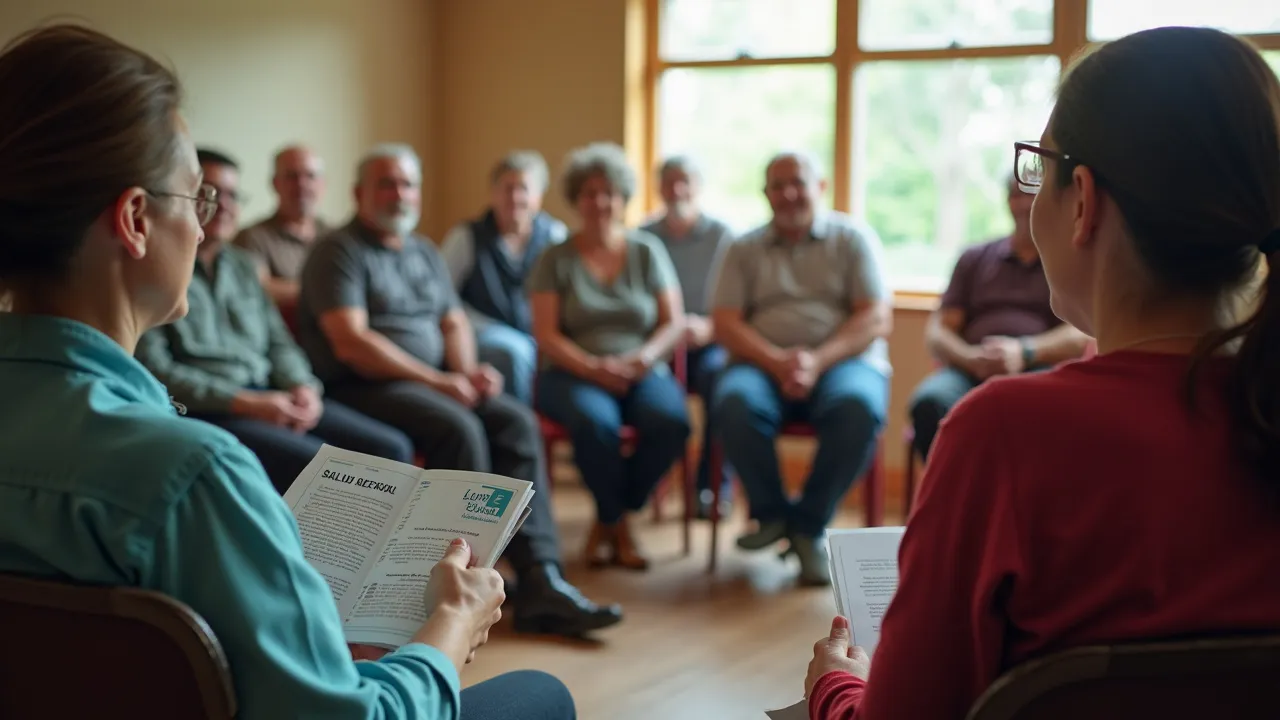
World Sexual Health Day, observed annually on September 4th, promotes sexual health as a vital aspect of overall well-being. Led by the World Association for Sexual Health, it focuses on education, rights, and access to services worldwide.
The Historical Origins & Evolutionary Journey
World Sexual Health Day (WSHD) was first launched in 2010 by the World Association for Sexual Health (WAS), a global multidisciplinary organization dedicated to promoting sexual rights and well-being. The day was established to draw attention to the importance of sexual health as a fundamental component of overall health and to advocate for comprehensive sexual education, accessible healthcare services, and the elimination of stigma.
The Foundational Catalyst
The need for a dedicated day arose from persistent global issues: high rates of sexually transmitted infections (STIs), unintended pregnancies, sexual violence, and discrimination based on sexual orientation or gender identity. Activists and health professionals recognized that sexual health was often neglected in public health agendas. The WAS Declaration of Sexual Rights (1997) provided a framework, emphasizing that sexual health requires a positive and respectful approach to sexuality and sexual relationships.
Legislative and Official Adoption
Since 2010, WSHD has gained recognition from governments, NGOs, and international bodies like the World Health Organization. Each year features a specific theme (e.g., "Let's Talk About Love" in 2021, "Sexual Health and Technology" in 2023) to address contemporary challenges. The day is marked by conferences, community workshops, media campaigns, and free testing events worldwide.
Modern Global Legacy
Today, WSHD is celebrated in over 50 countries. It has spurred policy changes, such as integrating sexual health into national health strategies in Brazil and South Africa. The day also fosters cross-cultural dialogue, challenging taboos and promoting inclusive language. The WAS continues to provide resources for local organizers, ensuring the movement remains grassroots-driven yet globally coordinated.
Global Impact and Societal Themes
World Sexual Health Day addresses multiple interconnected themes that impact individuals and societies. Here are key areas of focus:
Sexual Education and Literacy
Access to comprehensive sexuality education (CSE) remains a cornerstone. UNESCO’s guidelines emphasize CSE that is age-appropriate, scientifically accurate, and inclusive. WSHD promotes programs that teach consent, communication, and healthy relationships, reducing risky behaviors.
Reproductive Justice and Access
Reproductive rights, including contraception and safe abortion, are central. WSHD advocates for removing legal and financial barriers. In regions like sub-Saharan Africa, the day highlights maternal mortality and family planning gaps.
STI Prevention and HIV/AIDS
Despite medical advances, STIs remain a global burden. WSHD promotes regular testing, vaccination (e.g., HPV, hepatitis B), and destigmatization. It also aligns with UNAIDS targets for ending AIDS as a public health threat by 2030.
Sexual Violence and Consent
World Sexual Health Day campaigns against sexual harassment, assault, and coercion. Initiatives like #MeToo have amplified the call for consent education and legal reforms. The day includes resources for survivors and bystander intervention training.
LGBTQ+ Rights and Inclusion
Sexual health is inseparable from sexual orientation and gender identity. WSHD fights discrimination in healthcare settings and promotes affirmative care for LGBTQ+ individuals. It supports decriminalization of same-sex relations and gender-affirming services.
How to Celebrate World Sexual Health Day
Celebrating World Sexual Health Day can be both personal and communal. Here is a comprehensive guide to meaningful participation:
Personal Actions
- Educate yourself: Read books or watch documentaries on sexual health (e.g., "The Vagina Monologues", "Sex Education" series). Follow credible organizations like WAS or Planned Parenthood.
- Schedule a check-up: Get tested for STIs, discuss contraception with a provider, or perform a self-exam for breast/testicular health.
- Start conversations: Talk openly with partners, friends, or family about boundaries, desires, and concerns. Use respectful language.
Community and School Activities
- Organize a workshop: Invite a sex educator to lead a session on consent, pleasure, or safe sex. Include interactive Q&A.
- Host a film screening: Show a documentary like "The Bleeding Edge" (medical device safety) or "The Circle" (sexual rights). Follow with discussion.
- Set up an information booth: In schools or public spaces, distribute pamphlets, condoms, and resources on local clinics.
Online and Advocacy
- Social media campaign: Use hashtags like #WorldSexualHealthDay #SexualHealthMatters. Share facts, infographics, or personal stories.
- Petition for policy change: Advocate for mandatory sex ed in schools or increased funding for sexual health services.
- Donate: Support organizations working on sexual health in marginalized communities, such as SIECUS, IPPF, or local women’s health centers.
Celebration Across Countries
In Germany, events include open-air fairs with free HIV testing. In India, NGOs conduct street plays on sexual rights. In Brazil, Samba schools incorporate sexual health themes into parades. In Kenya, community radios broadcast health advice. Tailor your celebration to local culture while upholding inclusivity.
Key Milestones in the History of World Sexual Health Day
The evolution of WSHD reflects broader shifts in global attitudes toward sexuality. Here are pivotal milestones:
1997: WAS Declaration of Sexual Rights
Established foundational principles, including the right to sexual freedom, autonomy, integrity, and pleasure. This declaration became the philosophical backbone of WSHD.
2009: WAS Council Resolution
The WAS Council voted to create an annual day to raise awareness. The date September 4 was chosen to coincide with the WAS Congress that year.
2010: First Celebration
Events held in 30 countries, themed "Let's Talk About It". The day focused on breaking silence around sexual problems.
2015: Inclusion in UN Sustainable Development Goals
SDG 3 (Good Health and Well-Being) and SDG 5 (Gender Equality) incorporated sexual health targets, legitimizing WSHD's mission.
2020: Virtual Adaptation During COVID-19
Pandemic forced online events, but participation surged. Webinars reached millions, highlighting digital opportunities for sex education.
2024: Theme "Sexual Health for All: Equitable Access and Rights"
Emphasized dismantling barriers faced by refugees, disabled persons, and LGBTQ+ communities.
Health Benefits and Scientific Insights
Prioritizing sexual health yields measurable benefits across physical, mental, and social domains:
Physical Health
- Regular STI testing reduces transmission and complications like infertility.
- Vaccination against HPV prevents cervical cancer.
- Use of contraception prevents unintended pregnancies, reducing maternal mortality.
Mental Health
- Healthy sexual relationships boost self-esteem and reduce anxiety.
- Addressing sexual dysfunction (e.g., erectile dysfunction, low libido) can alleviate depression.
- Sexual empowerment improves body image and reduces shame.
Social Well-Being
- Consent education lowers rates of sexual violence.
- Open communication strengthens partnerships.
- Inclusive sexual health services reduce disparities.
Research from the Journal of Sexual Medicine confirms that societies with comprehensive sex ed have lower STI rates and earlier detection of cancers. WSHD serves as a catalyst for implementing such evidence-based policies.
Challenges and Controversies
Despite progress, World Sexual Health Day faces opposition and obstacles:
Cultural and Religious Resistance
In many regions, discussing sex is taboo. Conservative groups argue that sex education encourages promiscuity. WSHD organizers must navigate local sensitivities while promoting factual content.
Legal Hurdles
In 70+ countries, same-sex relations are criminalized. Abortion bans limit reproductive autonomy. WSHD advocates face censorship or arrest in places like Russia, Uganda, and Poland.
Funding Gaps
Sexual health programs are often underfunded compared to other health areas. Donor fatigue and political shifts threaten sustainability.
Misinformation
The internet spreads myths (e.g., "withdrawal method is effective"). Combating fake news requires constant educational efforts and collaboration with platforms like Google and Meta.
WSHD addresses these challenges through strategic partnerships, local champions, and leveraging digital tools to reach audiences safely.
The Future of World Sexual Health Day
Looking ahead, WSHD aims to deepen its impact through innovation and inclusivity:
Technology and Telehealth
Apps for STI self-testing, virtual therapy for sexual dysfunction, and AI-driven chatbots for sex education are expanding access. WSHD will promote digital literacy and privacy protections.
Intersectionality
Future campaigns will address how race, disability, socioeconomic status, and geography intersect with sexual health. For example, advocating for accessible clinics for wheelchair users or culturally sensitive resources for Indigenous communities.
Youth Leadership
Young people are co-creating content and leading peer education. The WAS Youth Initiative trains under-30 advocates to shape policies.
Climate and Sexual Health
Environmental changes affect reproductive health (e.g., heatwaves harming sperm quality). WSHD will link sexual health to planetary health.
By 2030, WSHD aims to be observed in every country, with measurable reductions in STIs and improved sexual well-being globally. The day remains a powerful reminder that sexual health is a human right.
Historical Timeline
The World Association for Sexual Health (WAS) adopts the Declaration of Sexual Rights, establishing key principles for sexual health and well-being.
WAS Council votes to create an annual World Sexual Health Day, choosing September 4th to coincide with the WAS Congress.
First World Sexual Health Day celebrated in 30 countries with the theme 'Let's Talk About It', focusing on breaking silence around sexual issues.
WSHD theme outlines focus on 'Sexual Health and the Internet', highlighting online risks and opportunities for education.
United Nations includes sexual health targets in Sustainable Development Goals 3 and 5, boosting the day's relevance.
Due to COVID-19 pandemic, WSHD goes virtual with webinars and online campaigns, reaching millions globally.
World Sexual Health Day adopts theme 'Sexual Health and the Environment', linking ecological issues to reproductive health.
Theme 'Sexual Health for All: Equitable Access and Rights' emphasizes inclusion of refugees, disabled individuals, and LGBTQ+ communities.