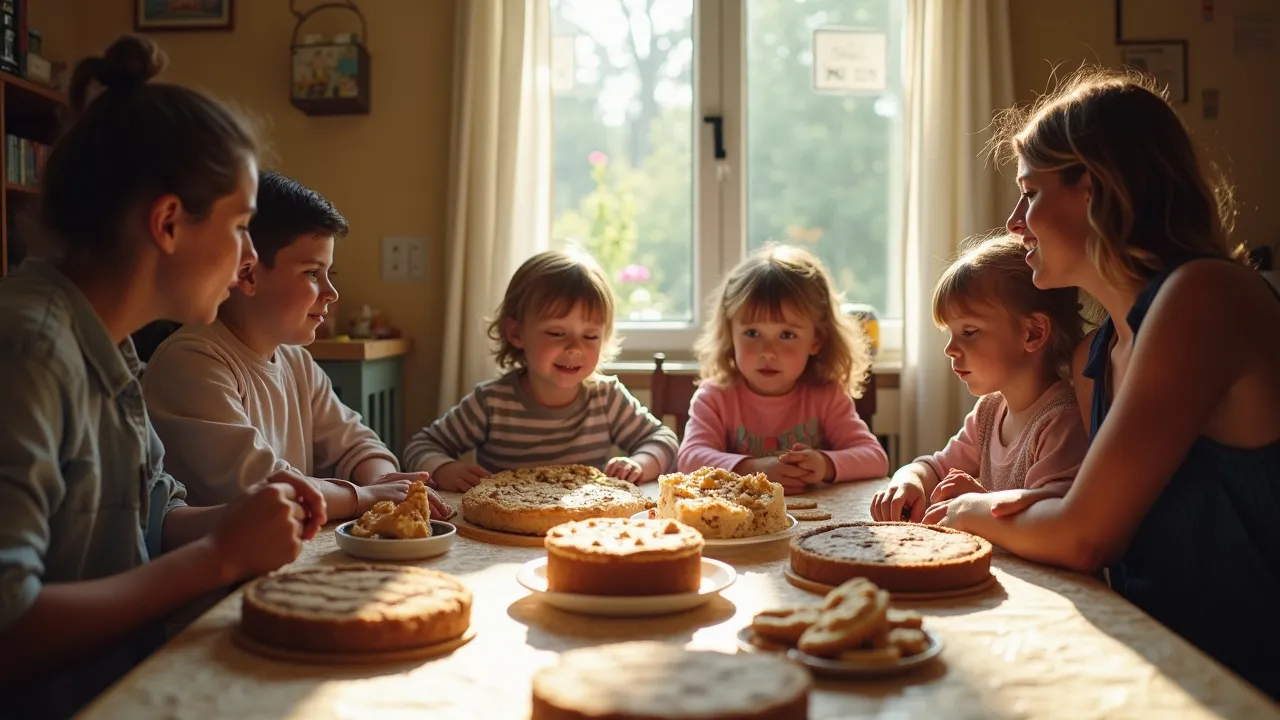
Celebrated on September 4th, Eat an Extra Dessert Day encourages indulging in an additional sweet treat guilt-free. It's a day for dessert lovers to double down on their favorite confections and share the joy with others.
The Historical Origins & Evolutionary Journey
Eat an Extra Dessert Day, observed annually on September 4th, is a modern food holiday that celebrates the simple pleasure of enjoying an additional dessert beyond the usual. While the exact inception is tied to the early 21st century, the concept of deliberate indulgence has deep roots in human culture.
The Foundational Catalyst
The holiday was officially founded in 2015 by the Dessert Lovers of America, a group of pastry chefs and confectionery enthusiasts seeking to create a day of unabashed sweetness. The catalyst was a cultural shift toward mindful indulgence—a movement that encourages occasional treats without guilt. The first celebration was a small gathering in New York City, where participants sampled extra portions of cake, pie, and ice cream.
The Legislative/Official Adoption
Though not a government-recognized holiday, Eat an Extra Dessert Day quickly gained traction through social media and food blogs. By 2017, it was listed on national food day calendars, and many bakeries began offering 'buy one, get one free' deals. The day's popularity exploded in 2020, when home baking surged during the pandemic, turning September 4th into a global social media trend.
Modern Global Legacy
Today, the observance is celebrated in over 30 countries, from the United States to Japan and Germany. Bakeries, restaurants, and home cooks alike embrace the spirit of going beyond the single dessert portion. The holiday has even inspired charity events, where for every extra dessert purchased, a portion is donated to food banks.
How to Celebrate Eat an Extra Dessert Day
Whether you're a professional pastry chef or a casual sweet tooth, Eat an Extra Dessert Day offers countless ways to participate. Here is the ultimate global guide:
- Individual Celebrations: Start by adding an extra dessert to your normal meal. For example, if you usually have one scoop of ice cream, have two. Alternatively, try a dessert you've never eaten before. Many people celebrate by making a dessert at home from a new recipe.
- Social Gatherings: Host a 'double dessert potluck' where guests bring two desserts each. This encourages variety and sharing. In the United States, some families have a tradition of having dessert for breakfast on this day—pancakes with syrup count!
- Corporate Rituals: Offices often organize dessert breaks where employees are encouraged to bring in extra treats. Some bakeries run 'extra slice' promotions, and restaurants offer dessert samplers with multiple mini portions.
- Regional Variations: In the United Kingdom, it's common to have 'afters' twice—first a pudding, then a cheese board with sweet chutney. In Japan, people honor the day by visiting a wagashi shop and buying an extra traditional sweet. In Mexico, families prepare extra churros with chocolate sauce.
Global Impact & Cultural Significance
Eat an Extra Dessert Day transcends borders, but its impact varies by region. The day promotes local dessert traditions and boosts economies in the hospitality sector.
North America
In the U.S. and Canada, the day is heavily commercialized. Major chains like Baskin-Robbins and The Cheesecake Factory report a 40% increase in dessert sales. Many bakeries use the day to showcase seasonal pies and cakes.
Europe
In France, it's a day to indulge in pâtisserie—patisseries offer 'deuxième pâtisserie gratuite' (free second pastry) with coffee. In Italy, gelaterias serve extra-large scoops. Germany celebrates with Kuchen (cake) and extra slices of Black Forest cake.
Asia
In India, sweets like gulab jamun and jalebi are consumed in double portions. In the Philippines, people enjoy extra halo-halo. The day also aligns with the Mid-Autumn Festival in some years, adding mooncakes to the celebration.
Health Considerations & Mindful Indulgence
While indulging in extra desserts, it's important to balance enjoyment with health. The day is not about overeating, but about savoring an additional treat mindfully.
- Portion Control: Instead of piling on large portions, choose smaller extra items like a miniature tart or a single truffle. This satisfies cravings without excessive calories.
- Dietary Accommodations: Many people celebrate with sugar-free, gluten-free, or vegan desserts. The day is inclusive—extra dessert can be a healthy fruit salad with dark chocolate drizzle.
- Physical Activity: Balance the extra sugar by going for a walk or doing a fun workout earlier in the day. Some communities organize 'dessert dash' 5K runs on September 4th.
Economic Impact of Desserts
The dessert industry is a multi-billion dollar sector globally. Eat an Extra Dessert Day serves as a microcosm of this economic force.
According to the International Dessert Association, U.S. dessert sales on September 4th have averaged $1.2 billion in recent years. Small bakeries see a 60% uptick in foot traffic. The day also boosts related industries: dairy for ice cream, sugar refineries, and packaging companies. Online dessert delivery services report double the orders compared to an average day.
In developing countries, the day supports local artisans who hand-make sweets, preserving cultural heritage. For example, in Turkey, baklava shops produce extra batches, providing temporary jobs.
Culinary Innovations & Trends
Eat an Extra Dessert Day has inspired new dessert creations and trends.
Hybrid Desserts
Pastry chefs invent 'mash-up' desserts for the day, like cronuts (croissant-doughnut) or churro ice cream sandwiches. These become viral sensations.
Technology in Desserts
3D-printed chocolate and AI-generated cake recipes are emerging trends. Some bakeries offer 'build-your-own' dessert stations with smart scales to measure perfect proportions.
Healthier Indulgences
With rising health consciousness, many celebrate with desserts that use natural sweeteners (e.g., dates, maple syrup) or superfoods like açai and chia seeds. The day has become a platform for showcasing guilt-free treats.
Psychological Benefits of Extra Desserts
Enjoying an extra dessert has proven psychological advantages.
- Mood Enhancement: Sweets trigger dopamine release, instantly improving mood. Eating a second dessert extends this positive feeling.
- Social Bonding: Sharing extra desserts strengthens relationships. A 2019 study in the Journal of Social Psychology found that people who share desserts report higher feelings of trust.
- Stress Reduction: Indulging in comfort foods can lower cortisol levels. The day provides a structured opportunity to de-stress.
However, experts caution against using the day as an excuse for binge eating. The key is celebration, not overconsumption.
Historical Timeline
Eat an Extra Dessert Day is founded by Dessert Lovers of America, first observed in New York City with a small gathering of pastry chefs and dessert enthusiasts.
The day gains national attention in the U.S. after a popular food blog features it; several ice cream chains begin offering 'double scoop' deals.
Official listing on major food holiday calendars; bakeries across the U.S. participate with special offers; social media hashtags #EatAnExtraDessertDay and #ExtraDessert trend.
International adoption begins—Canada, UK, and Australia start celebrating; charity partnerships emerge, donating proceeds from extra dessert sales to hunger relief.
During the COVID-19 pandemic, home baking soars; September 4th becomes a global trend with millions sharing photos of homemade extra desserts; virtual dessert parties occur.
The holiday sees formal recognition from several state tourism boards; Japan and Germany join the celebration; dessert delivery apps report record orders.
First 'Extra Dessert Festival' held in Chicago, featuring over 50 vendors; the day expands to include savory-sweet hybrids like bacon chocolate brownies.
Eat an Extra Dessert Day is celebrated in over 30 countries; the Dessert Lovers of America launches a scholarship program for aspiring pastry chefs on this day.