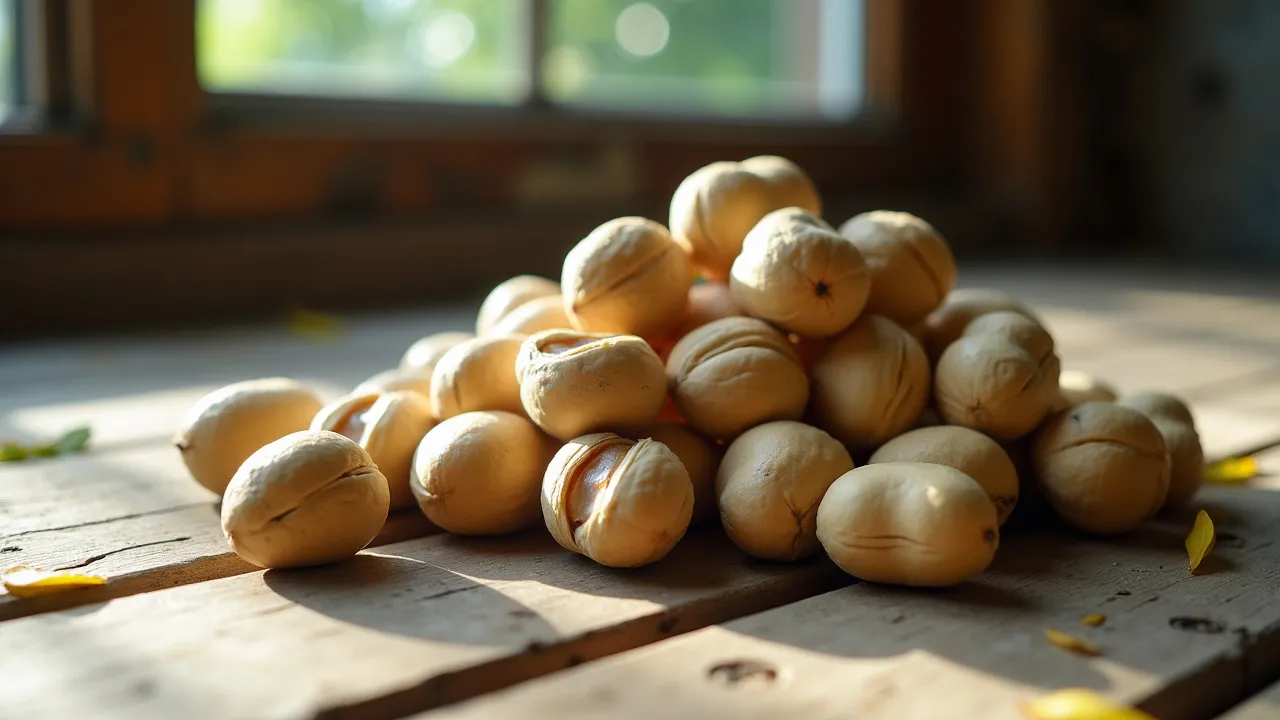
National Macadamia Nut Day on September 4th honors the rich, buttery nut native to Australia. Discover its history, health benefits, and global culinary traditions in this comprehensive guide.
The Historical Origins & Evolutionary Journey
National Macadamia Nut Day, observed annually on September 4th, celebrates one of the world's most luxurious and nutritious nuts. The macadamia nut, native to the rainforests of eastern Australia, has a history that intertwines indigenous knowledge, colonial exploration, and modern agricultural science.
The Foundational Catalyst
The macadamia tree (Macadamia integrifolia and Macadamia tetraphylla) was first discovered by European botanists in the 19th century. Ferdinand von Mueller, a German-Australian botanist, named the genus after his colleague John Macadam. However, the Aboriginal peoples of Australia had been harvesting and consuming the nuts for thousands of years prior. The Gubbi Gubbi people of Queensland and the Bundjalung people of New South Wales used them as a staple food source, often roasting them over open fires.
From Bush Tucker to Global Delicacy
By the late 1800s, macadamia trees were being cultivated in small quantities in Australia and Hawaii. The Hawaiian islands, with their volcanic soil and tropical climate, proved particularly hospitable. Commercial cultivation began in the 1920s, and Hawaii quickly became the world's largest producer. The industry in Australia revived later, driven by the establishment of orchards in Queensland and New South Wales. Today, macadamias are grown in South Africa, Brazil, Kenya, and many other regions.
Modern Global Legacy
National Macadamia Nut Day likely emerged in the early 2000s as a food industry initiative to promote consumption. While its exact founder is unknown, the day has been embraced by health enthusiasts, pastry chefs, and nut farmers worldwide. It serves as a reminder of the nut's journey from ancient Aboriginal food to modern gourmet ingredient.
How to Celebrate National Macadamia Nut Day
Whether you are an individual, a family, or an organization, National Macadamia Nut Day offers numerous ways to appreciate this versatile nut. Below is a global guide to celebrating.
For Individuals and Families
- Try New Recipes: Bake macadamia nut cookies, crust fish with crushed macadamias, or make a creamy macadamia milk at home.
- Snack Mindfully: Enjoy raw or lightly roasted macadamias as a healthy snack. Pair with dark chocolate for a decadent treat.
- Visit a Farm: If you live in a macadamia-growing region, visit an orchard for a tour and tasting.
For Schools and Educational Institutions
- Classroom Activities: Teach students about the nut's botany, history, and the concept of sustainable farming. A crack-a-nut contest can be fun.
- Tropical Tasting Party: Organize a tasting event featuring macadamia products from different regions.
For Businesses and Organizations
- Promotional Discounts: Retailers can offer deals on macadamia nuts and related products.
- Corporate Wellness: Provide macadamia nut snack packs to employees, highlighting their heart-healthy fats.
Global Celebrations
- Australia: While the national day is US-centric, Australian growers often host harvest festivals in September (spring in the Southern Hemisphere).
- Hawaii: On September 4th, local shops and farms offer special tours and tastings, celebrating the nut's role in Hawaiian agriculture.
- South Africa: Macadamia growers use the day to promote exports and educate consumers about the nut's benefits.
Nutritional Profile and Health Benefits
Macadamia nuts are not only delicious but also packed with nutrients. They are one of the richest sources of monounsaturated fats, which can help lower bad cholesterol levels and reduce the risk of heart disease.
Key Nutrients
- Healthy Fats: Over 80% of their fat content is monounsaturated, similar to olive oil.
- Fiber: A serving provides about 2-3 grams of dietary fiber, aiding digestion.
- Manganese: Essential for bone health and metabolism.
- Thiamine (Vitamin B1): Important for energy production.
- Copper: Supports immune function and nerve health.
Potential Health Impacts
- Heart Health: Regular consumption may lower LDL cholesterol and triglycerides.
- Blood Sugar Control: Low glycemic index makes them suitable for diabetics.
- Weight Management: Despite high calories, satiating effect can help prevent overeating.
- Antioxidant Properties: Contain flavonoids and tocotrienols that fight oxidative stress.
Global Cultivation and Industry Impact
The macadamia nut industry has grown significantly over the past century. Understanding the global map of production reveals economic and environmental implications.
Major Producing Countries
- Australia: The birthplace of the macadamia, Australia remains a top producer, supplying premium nuts to global markets.
- South Africa: The largest producer by volume, with vast orchards in Mpumalanga and KwaZulu-Natal.
- United States (Hawaii): Famous for its macadamia farms, Hawaiian nuts are known for high quality.
- Kenya: An emerging producer in East Africa, capitalizing on favorable climates.
- Brazil, Guatemala, Paraguay: Latin American countries are expanding production.
Economic and Environmental Challenges
Macadamia farming requires significant water and care. Many growers adopt sustainable practices like integrated pest management and water recycling. The industry also faces labor shortages and climate change impacts. However, high market demand supports innovation.
Culinary Uses and Recipes
Macadamia nuts are incredibly versatile in the kitchen. Their buttery texture and mild sweetness complement both sweet and savory dishes.
Sweet Applications
- Baking: White chocolate macadamia cookies are a classic. Also try macadamia crusted banana bread or brownies.
- Desserts: Macadamia praline, ice cream, or tahini-like spreads.
Savory Dishes
- Crumbed Fish or Chicken: Crushed macadamias make a crispy, nutty coating.
- Salads: Toasted macadamias add crunch to green salads or quinoa bowls.
- Stir-fries: Add whole or chopped nuts for texture.
Beverages
- Macadamia Milk: A creamy dairy alternative, made by blending soaked nuts with water.
- Smoothies: Boost with a tablespoon of macadamia butter.
Recipe Highlight: Simple Macadamia Crusted Mahi-Mahi. Combine crushed macadamias with panko breadcrumbs, season with salt and lemon zest, press onto fish fillets, and bake at 400°F for 15 minutes.
Fun Facts and Trivia
- Macadamia nuts have the hardest shell of any nut, requiring up to 300 pounds of pressure to crack.
- They are toxic to dogs, causing weakness and vomiting.
- The macadamia tree can live for over 100 years and continues to produce nuts throughout.
- Hawaii is the only US state that grows macadamia nuts commercially.
- Macadamia oil has a high smoke point (410°F), making it ideal for frying.
- The first commercial macadamia orchard in Australia was established in the 1880s.
Environmental Sustainability and Ethical Sourcing
As demand for macadamias grows, sustainability becomes crucial. Many producers are adopting regenerative agriculture practices.
Water Management
Macadamia trees need consistent moisture, but drip irrigation and mulching reduce waste.
Biodiversity
Mixed cropping with other trees or shade systems supports local flora and fauna.
Certifications
Look for Rainforest Alliance or Organic certifications when purchasing macadamias. Consumer awareness drives ethical practices.
Historical Timeline
Aboriginal peoples of Australia harvest and eat macadamia nuts as part of their traditional diet.
Ferdinand von Mueller, a German-Australian botanist, officially describes the macadamia genus, naming it after his colleague John Macadam.
First commercial macadamia orchard established in Queensland, Australia.
Macadamias introduced to Hawaii; commercial cultivation begins on the Big Island.
Hawaiian Macadamia Nut Company is founded, later becoming Mauna Loa Macadamia Nut Company.
South Africa becomes a major producer, surpassing Australia in volume.
National Macadamia Nut Day is first observed, likely established by food industry groups to promote consumption.
Global production exceeds 200,000 metric tons annually, with macadamias enjoyed worldwide.