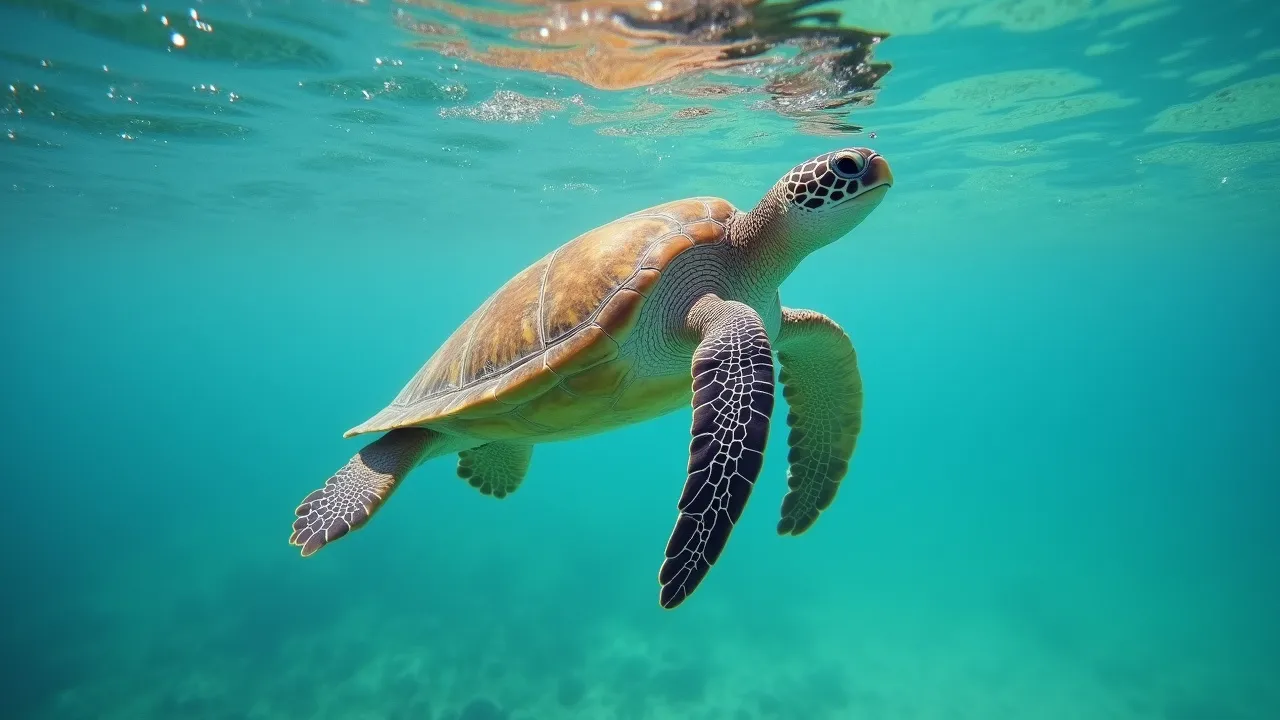
World Sea Turtle Day on June 16th honors these ancient mariners and their habitats, raising awareness about conservation efforts to protect them from extinction.
The Historical Origins and Evolutionary Journey of World Sea Turtle Day
World Sea Turtle Day, celebrated annually on June 16th, was established by the Sea Turtle Conservancy (formerly the Caribbean Conservation Corporation) in the year 2000. The date was chosen to honor the birthday of Dr. Archie Carr, a pioneering sea turtle biologist whose lifelong research and advocacy transformed our understanding of these ancient creatures and laid the foundation for modern conservation efforts. Dr. Carr's work in the mid-20th century, especially his studies of green turtles in Costa Rica, revealed the incredible migratory patterns and nesting behaviors of sea turtles, sparking global interest in their protection.
The Foundational Catalyst
The establishment of World Sea Turtle Day was driven by a growing recognition that sea turtles face unprecedented threats from human activities. Throughout the 1900s, overharvesting of eggs and meat, accidental capture in fishing gear, coastal development, and ocean pollution decimated turtle populations worldwide. Dr. Carr's 1956 book "The Windward Road" brought attention to the plight of sea turtles, leading to the formation of the Caribbean Conservation Corporation in 1959, which later evolved into the Sea Turtle Conservancy. Their grassroots efforts culminated in the creation of a dedicated day to amplify the message of sea turtle conservation on a global scale.
Legislative and Official Adoption
While founded by the Sea Turtle Conservancy, World Sea Turtle Day quickly gained traction among international conservation organizations. In 2002, the United Nations Environment Programme (UNEP) recognized the day as part of its global awareness campaigns. Many countries, especially those with significant nesting beaches like the United States, Costa Rica, Australia, and Greece, officially adopted June 16th as a day for educational events, beach cleanups, and fundraising for turtle protection programs. Governments passed resolutions acknowledging the day, and in 2007, the U.S. Congress issued a statement supporting World Sea Turtle Day, further legitimizing its observance.
Modern Global Legacy
Today, World Sea Turtle Day is observed in over 100 countries, with activities ranging from school presentations and virtual webinars to large-scale coastal restoration projects. The day serves as a pivotal moment to highlight the successes of conservation—such as the recovery of certain green turtle populations—and the ongoing challenges, including climate change impacts on nesting beaches. The legacy of Dr. Archie Carr lives on through the continued dedication of thousands of volunteers, researchers, and organizations who work tirelessly to ensure that these ancient mariners survive for future generations.
How to Celebrate World Sea Turtle Day
World Sea Turtle Day offers a perfect opportunity for individuals, schools, communities, and businesses to take meaningful action in support of sea turtle conservation. Whether you live near a turtle nesting beach or inland, there are numerous ways to participate. Below is a comprehensive guide to celebrating this important day, with specific activities and best practices tailored to different audiences and regions.
Individual Actions
- Join a Beach Cleanup: Organize or participate in a local beach cleanup to remove plastic debris and fishing gear that can entangle turtles. Use the hashtag #WorldSeaTurtleDay to find events near you.
- Reduce Plastic Use: Sea turtles often mistake plastic bags for jellyfish. Commit to reducing single-use plastics—carry a reusable water bottle, bag, and straws.
- Support Conservation Organizations: Donate to reputable groups like the Sea Turtle Conservancy, WWF, or local turtle rescues. Even small donations fund nest protection and research.
- Adopt a Sea Turtle: Many organizations offer symbolic turtle adoptions that provide resources for satellite tracking or nest monitoring.
- Educate Yourself and Others: Watch documentaries like "The Last Turtle" or read Dr. Archie Carr's books. Share facts on social media to spread awareness.
School and Community Programs
- Classroom Lessons: Teachers can incorporate sea turtle biology and conservation into science curricula. Activities include building model turtles, mapping migration routes, or writing letters to policymakers.
- Art Contests: Organize a sea turtle-themed art or essay contest to engage students creatively. Display entries in public libraries or galleries.
- Fundraising Campaigns: Students can hold bake sales, car washes, or read-a-thons to raise money for turtle conservation projects.
- Guest Speakers: Invite marine biologists or conservationists to speak about their work. Many experts offer virtual presentations.
Corporate and Organizational Involvement
- Volunteer Days: Companies can sponsor employee volunteer days at local nature centers or turtle hospitals.
- Matching Gifts: Double employee donations to conservation nonprofits through corporate matching gift programs.
- Sustainable Practices: Businesses can review their supply chains to eliminate plastic packaging and promote eco-friendly alternatives.
Regional Variations
In the Caribbean, festivals often feature turtle releases and cultural performances. In Asia, such as in Indonesia and Malaysia, community-led hatchery programs educate tourists and locals. In the United States, many aquariums offer special exhibits and behind-the-scenes tours. In Australia, Indigenous rangers lead traditional monitoring programs combining ancient knowledge with modern science. Regardless of location, the core message remains: every action counts toward protecting sea turtles.
The Plight of Sea Turtles: Threats and Challenges
Sea turtles have existed for over 100 million years, but today they face an array of human-induced threats that have pushed six of the seven species to the brink of extinction. Understanding these threats is crucial for effective conservation. Below, we detail the primary dangers and their impacts on turtle populations worldwide.
Bycatch in Fisheries
Bycatch—the accidental capture of non-target species—is the single greatest threat to sea turtles. Millions of turtles are caught annually in shrimp trawls, longlines, gillnets, and other fishing gear. Many drown or suffer fatal injuries before they are released. The introduction of Turtle Excluder Devices (TEDs) in shrimp trawls has significantly reduced mortality in some regions, but compliance remains inconsistent globally.
Plastic Pollution
Sea turtles frequently ingest plastic debris, mistaking it for jellyfish or other prey. This can block their digestive tracts, cause malnutrition, and lead to death. Microplastics also accumulate in tissues, affecting reproduction and growth. Additionally, turtles can become entangled in plastic fishing nets and six-pack rings, restricting movement and causing amputations.
Climate Change
Rising temperatures have a twofold effect on sea turtles. First, warmer sand skews sex ratios: higher incubation temperatures produce more females, threatening genetic diversity. Second, sea-level rise erodes nesting beaches, while extreme weather events wipe out entire clutches of eggs. Changing ocean currents also affect migration routes and prey availability.
Poaching and Illegal Trade
Despite legal protections, sea turtles are still poached for their meat, eggs, shells, and oil. In many countries, turtle eggs are considered delicacies or aphrodisiacs, leading to large-scale illegal harvesting. Shells are used to make jewelry and ornaments, fueling a black market that threatens endangered species like the hawksbill turtle.
Habitat Loss and Coastal Development
Coastal development—hotels, seawalls, and lighting—disrupts nesting and foraging habitats. Artificial lighting disorients hatchlings, causing them to crawl inland instead of toward the ocean, where they often die from dehydration or predation. Beach armoring prevents turtles from accessing suitable nesting sites, forcing them to lay eggs in suboptimal locations.
Conservation Success Stories and Global Initiatives
Despite the daunting challenges, dedicated conservation efforts have yielded remarkable recoveries for several sea turtle populations. These successes demonstrate that with sustained commitment, reversing the decline is possible. Below we highlight key achievements and ongoing global initiatives.
The Recovery of the Green Turtle in Costa Rica
In the 1950s, the green turtle nesting population at Tortuguero, Costa Rica, had plummeted to just a few hundred individuals due to egg harvesting and hunting. Thanks to decades of protection by the Sea Turtle Conservancy and local communities, the population has rebounded to over 25,000 nests per season. This success is a testament to the power of community-based conservation and eco-tourism.
Regulatory Milestones
- 1973 Endangered Species Act (USA): Listed all sea turtles as threatened or endangered, making it illegal to harm, harass, or kill them.
- 1989 TED Mandate: The U.S. required shrimp trawlers to use Turtle Excluder Devices, reducing turtle deaths by up to 97% in some fisheries.
- CITES Appendix I: International trade in sea turtles and their products was banned under the Convention on International Trade in Endangered Species, reducing poaching incentives.
Innovative Research and Technology
Satellite telemetry has revolutionized our understanding of turtle migration. Projects like the Sea Turtle Conservancy's "Tour de Turtles" track turtles in real-time, engaging the public and informing policy. DNA analysis helps identify poaching hotspots by tracing the origin of illegal turtle products. Drone monitoring and artificial intelligence now count nests more accurately than humans.
International Cooperation
Regional agreements such as the Inter-American Convention for the Protection and Conservation of Sea Turtles (IAC) and the Indian Ocean-South-East Asian Marine Turtle Memorandum of Understanding (IOSEA) promote cross-border collaboration. These frameworks facilitate data sharing, harmonized regulations, and joint enforcement operations.
Case Study: The Kemp's Ridley Turtle
The most endangered sea turtle, the Kemp's ridley, has seen a remarkable turnaround. In the 1980s, only a few hundred nests were recorded in Texas and Mexico. Through binational efforts including nest relocation, head-starting, and fishing gear modifications, the population has grown to over 20,000 nests. While still critically endangered, the trend offers hope.
The Role of Ecotourism in Sea Turtle Protection
Ecotourism has emerged as a powerful tool for sea turtle conservation, providing economic incentives for communities to protect nests and habitats rather than exploit them. When managed responsibly, turtle tourism generates funding for conservation, educates visitors, and empowers local people. However, unregulated tourism can cause significant harm. Here we explore best practices and the delicate balance required.
Positive Impacts of Turtle Tourism
- Economic Benefits: Turtle nesting beaches attract thousands of tourists annually. Entrance fees, guided tours, and accommodation revenues can sustain local economies and fund patrol programs.
- Community Engagement: Former poachers often become conservation guides, as seen in Costa Rica and Sri Lanka, where their local knowledge is invaluable.
- Scientific Data: Tourists and tour operators can collect valuable data on nesting numbers, predation, and beach conditions, aiding researchers.
Risks of Unregulated Tourism
Too many tourists or improper behavior—such as using flash photography, touching turtles, or walking on nests—can stress nesting females, cause nest abandonment, and disorient hatchlings. Light pollution from resorts and vehicles is a major threat. In some cases, unregulated hatcheries harvest eggs from the wild for display, reducing genetic diversity.
Guidelines for Responsible Turtle Tourism
- Maintain Distance: Observe turtles from at least 10 meters away, and never block their path to the ocean.
- Use Red Light: Red flashlights or filters are less disruptive to turtles. Avoid white lights and flash photography.
- Small Groups: Limit group sizes to 10-15 people and stay behind the turtle's flippers.
- Support Certified Operators: Choose tour companies that follow ethical guidelines and donate to local conservation funds.
- Report Violations: Notify local authorities if you witness harassment or illegal poaching.
Case Study: Turtle Conservation in Madre de Dios, Philippines
In the Philippines, the Pawikan Conservation Center in Morong, Bataan, combines tourism with strict protection. Locals monitor nests 24/7, and tourists can watch hatchlings released at sunset. Revenue from entrance fees supports full-time rangers and community livelihoods. As a result, poaching has dropped to near zero.
Education and Community Engagement: The Heart of Conservation
Long-term success in sea turtle conservation hinges on education and community involvement. When people understand the ecological significance of sea turtles and the threats they face, they become advocates for change. World Sea Turtle Day amplifies these efforts, but sustained engagement requires year-round programs. Below we explore effective educational strategies and examples of community-led initiatives.
School-Based Education Programs
Integrating sea turtle topics into school curricula fosters early awareness. Interactive lessons can include:
- Life Cycle Games: Students simulate the journey of a sea turtle from hatchling to adult, learning about obstacles like predators and plastic pollution.
- Art Projects: Creating murals or sculptures from recycled materials reinforces the message of reducing waste.
- Virtual Field Trips: Connect with researchers via video calls to see real-time tracking data.
Community Monitoring and Citizen Science
Citizen science programs empower locals and tourists to contribute to research. For example, the Sea Turtle Conservancy's "Turtle Tracker" app allows users to report nesting sightings, poaching, and injured turtles. In Florida, the "Sea Turtle Patrol" trains volunteers to mark and protect nests on public beaches. These programs foster stewardship and generate invaluable data.
Cultural and Indigenous Knowledge
Indigenous communities have coexisted with sea turtles for millennia, developing sustainable harvest traditions and deep ecological insights. In Australia, the Yirrganydji people combine traditional fire management with turtle nest protection. In the Pacific Islands, indigenous rangers use ancestral navigation techniques to track turtles across vast distances. Conservation organizations increasingly partner with these communities, respecting their knowledge and rights.
The Role of Media and Digital Campaigns
Social media campaigns like #WorldSeaTurtleDay and #SeaTurtleWeek reach millions. Documentaries and viral videos of turtle rescues humanize the issue. Influencers and celebrities can amplify calls for action. However, digital outreach must avoid sensationalism; instead, emphasize actionable steps and verifiable science.
Measuring Impact
Effective education leads to behavior change. Surveys show that after participating in turtle conservation programs, individuals are more likely to reduce plastic use, support sustainable seafood, and advocate for marine protected areas. Schools with turtle-themed curricula report higher student interest in STEM and environmental careers.
Historical Timeline
Dr. Archie Carr publishes 'The Windward Road', exposing the plight of sea turtles and sparking global conservation interest.
The Caribbean Conservation Corporation (now Sea Turtle Conservancy) is founded, focusing on sea turtle research and protection.
The U.S. Endangered Species Act is passed, listing all sea turtle species as threatened or endangered.
The U.S. mandates Turtle Excluder Devices (TEDs) on shrimp trawls, significantly reducing turtle bycatch mortality.
The Sea Turtle Conservancy establishes World Sea Turtle Day on June 16th, honoring Dr. Archie Carr's birthday.
The United Nations Environment Programme (UNEP) recognizes World Sea Turtle Day, boosting international participation.
The U.S. Congress issues a resolution supporting World Sea Turtle Day, cementing its national observance.
The Deepwater Horizon oil spill devastates sea turtle populations in the Gulf of Mexico, leading to enhanced response protocols.
The Kemp's ridley turtle reaches a record 20,000 nests in Texas and Mexico, a milestone in its recovery.
Global efforts lead to the first documented increase in hawksbill nesting in the Caribbean in decades.