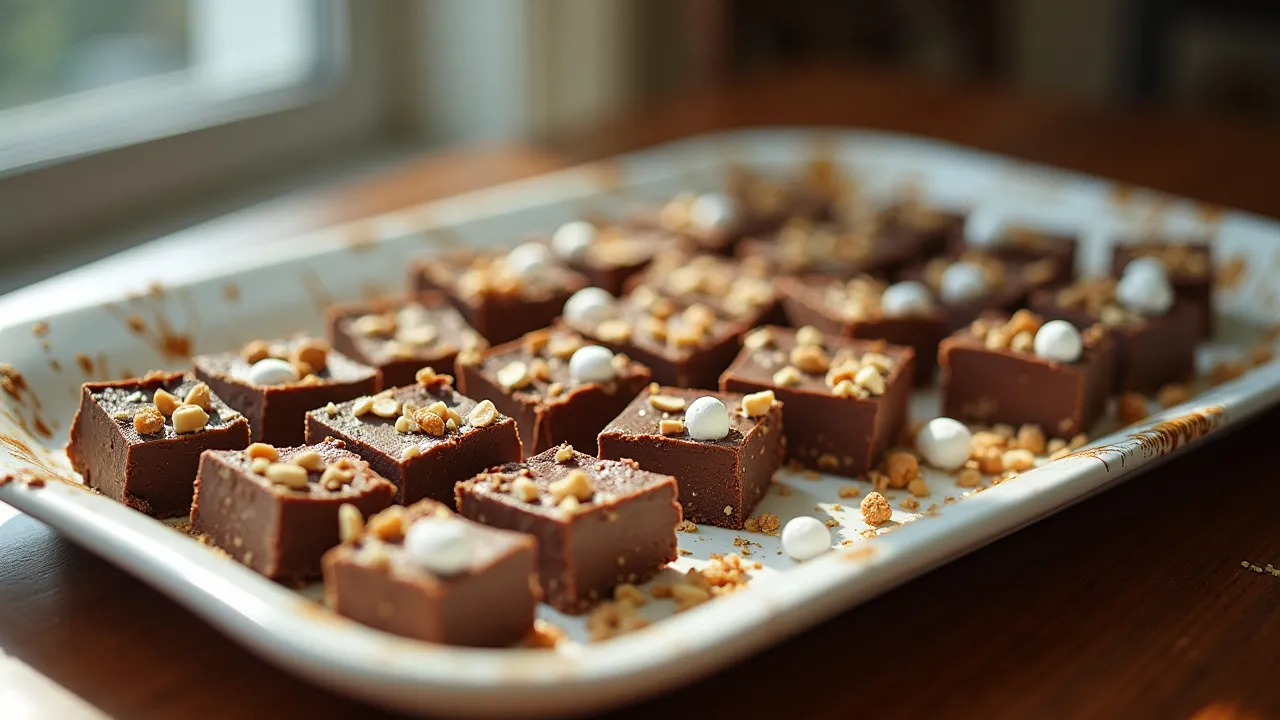
National Fudge Day, celebrated annually on June 16th, honors the rich, creamy confection loved by millions. From its accidental creation in the 19th century to modern gourmet variations, this day is a sweet celebration of culinary tradition.
The Historical Origins & Evolutionary Journey
National Fudge Day, observed on June 16th, is a tribute to one of the most beloved confections in the world. While the exact origins of the day are unclear, the history of fudge itself is a fascinating tale of culinary serendipity and evolution.
The Accidental Invention of Fudge
Fudge was first created in the United States during the late 19th century. The most widely accepted origin story dates back to 1886 when a batch of caramel candy went wrong. A confectioner in Baltimore, or perhaps at a women's college in the Northeast, accidentally crystallized the sugar mixture, resulting in a soft, creamy, and crumbly texture—thus fudge was born. The first known recipe for fudge appeared in letters and cookbooks around 1888, often attributed to Emelyn Battersby Hartridge, who claimed to have obtained the recipe from a friend's cousin in 1886.
The Spread of Fudge in America
Fudge quickly gained popularity, especially in women's colleges like Vassar and Wellesley, where students would make fudge in their dormitories. By the early 20th century, fudge became a staple at soda fountains and candy shops. The confection was particularly associated with resort towns like Mackinac Island, Michigan, where fudge shops still line the streets today.
The Formal Establishment of National Fudge Day
The exact date when National Fudge Day was first formally celebrated is not well-documented. However, it appears to have been promoted in the early 2000s by food bloggers and confectionery companies as a way to celebrate this classic treat. Unlike many food holidays, it did not originate from a single proclamation but rather from grassroots enthusiasm among candy lovers. Over time, June 16th has become the recognized date, appearing on countless food calendars and social media celebrations.
Modern Global Legacy
Today, fudge is enjoyed worldwide with countless variations—from classic chocolate and vanilla to exotic flavors like salted caramel, maple walnut, and even vegan alternatives. National Fudge Day has become a day for home bakers, candy shops, and chocolate makers to showcase their creativity. Social media platforms buzz with recipes, taste tests, and fudge-making challenges. The observance also supports small businesses, as many artisanal fudge makers offer special deals and limited-edition flavors on this day.
How to Celebrate National Fudge Day
National Fudge Day offers a perfect excuse to indulge in this creamy confection. Whether you are a seasoned candy maker or a novice, there are countless ways to participate. Below is the ultimate global guide to celebrating June 16th.
At Home: DIY Fudge Making
- Choose a Base Recipe: Start with a classic chocolate fudge recipe using condensed milk or traditional granulated sugar, butter, and cocoa. For beginners, the microwave method is simplest.
- Experiment with Add-Ins: Add nuts (walnuts, pecans), marshmallows, dried fruit, or swirls of peanut butter to create your own signature fudge.
- Try Dietary Versions: Vegan fudge using coconut milk, sugar-free options with stevia, or keto-friendly almond flour fudge are popular alternatives.
- Host a Tasting Party: Invite friends and family to sample different fudge varieties. Pair with coffee, milk, or a glass of red wine for a sophisticated twist.
In Schools and Communities
- Fudge Fundraisers: Local schools and clubs can sell homemade fudge to raise money for causes.
- Cooking Classes: Community centers can host fudge-making workshops, teaching history and techniques.
- Fudge Tasting Contests: A fun way to engage participants of all ages—award prizes for best flavor, presentation, and texture.
Corporate and Social Rituals
- Office Celebrations: Companies can gift fudge to employees or offer a fudge bar in the break room.
- Artisan Pop-Ups: Local fudge makers can set up temporary stands in shopping districts, offering samples and specials.
- Social Media Campaigns: Use hashtags like #NationalFudgeDay to share photos, recipes, and stories. Many influencers host live fudge-making streams.
Regional Variations Around the World
United States
In the US, especially in regions like Mackinac Island, fudge is a cultural icon. Mackinac Island even claims to be the 'Fudge Capital of the World,' producing millions of pounds annually. On June 16th, many fudge shops offer free samples and discounts.
United Kingdom
In the UK, fudge is often softer and crumblier. Traditional flavors include clotted cream and honeycomb. British bakers may celebrate by making after-dinner fudge with a cup of tea.
Australia and New Zealand
Here, fudge is often made with local ingredients like macadamia nuts and wattleseed. The day is embraced by home cooks and small-batch producers.
Other Countries
In Canada, maple fudge is a favorite. In India, fudge is sometimes infused with spices like cardamom and saffron. Even in countries where fudge is less common, National Fudge Day has inspired a growing interest via online communities.
The Science of Fudge: Why It Works
Understanding the chemistry behind fudge can elevate your appreciation—and your success rate. Fudge is a crystalline confection, meaning its texture depends on the controlled formation of tiny sugar crystals.
The Role of Temperature
The key to perfect fudge is reaching the 'soft ball' stage on a candy thermometer (234–240°F or 112–115°C). At this temperature, the sugar solution concentrates enough to form a supersaturated state. If the syrup is undercooked, fudge will be too soft; if overcooked, it becomes grainy.
Crystallization Control
To achieve a smooth, creamy texture, the syrup must cool undisturbed until it reaches about 110°F (43°C). Then, vigorous stirring encourages the formation of many tiny crystals rather than a few large ones. This is why many recipes instruct to "beat until thick and creamy." Additives like corn syrup, inverted sugar, or marshmallows help inhibit large crystal growth.
Fudge vs. Other Confections
- Fudge vs. Ganache: Ganache is an emulsion of chocolate and cream, no sugar crystallization, while fudge relies on sugar crystals.
- Fudge vs. Caramel: Caramel involves heating sugar until it browns (Maillard reaction), while fudge is cooked to a lower temperature without browning.
- Fudge vs. Toffee: Toffee is cooked to a higher 'hard crack' stage, making it harder and more brittle.
Understanding these differences helps home cooks troubleshoot and perfect their recipes.
Cultural Impact & Economic Influence
Fudge is more than just a sweet treat; it has left a mark on culture, tourism, and the economy.
Mackinac Island: The Fudge Capital
Mackinac Island, Michigan, is synonymous with fudge. The island's fudge shops date back to the 19th century, and today, 13 fudge shops line its streets. National Fudge Day is a major event on the island, with special flavors, fudge-making demonstrations, and even a fudge-tasting passport. The fudge industry is a critical driver of tourism, bringing in millions of dollars annually.
Fudge in Popular Culture
Fudge has been referenced in literature (like in Roald Dahl's 'Matilda' where a boy named Bruce Bogtrotter is forced to eat an entire chocolate cake, but fudge often appears as a reward) and in idioms like 'Hot fudge sundae.' It also features in movies and TV shows as a comfort food.
Economic Impact
The global confectionery market is worth over $250 billion, with fudge representing a niche but passionate segment. Artisanal fudge makers have grown through online sales, especially on platforms like Etsy. National Fudge Day boosts sales for candy shops, ingredient suppliers, and packaging companies.
Charitable Aspects
Many fudge makers donate a portion of National Fudge Day proceeds to food banks or children's hospitals, turning sweet indulgence into a force for good.
Nutritional Considerations & Healthier Alternatives
While fudge is undeniably a decadent treat, it can be enjoyed in moderation. Understanding its nutritional profile helps consumers make informed choices.
Nutritional Breakdown
Traditional fudge is high in sugar, butter, and chocolate. A 1-ounce (28g) piece can contain 100–130 calories, 6–8g of fat, and 12–15g of sugar. It provides some calcium and iron from milk and cocoa, but also saturated fat.
Healthier Variations
- Reduced Sugar: Use unsweetened chocolate and alternative sweeteners like monk fruit or erythritol.
- Vegan Fudge: Replace dairy with coconut milk or nut butters, and use dairy-free chocolate.
- High-Protein Fudge: Add protein powder or black beans (yes, black bean fudge is a thing) to boost nutrition.
- Keto-Friendly: Use cocoa butter, heavy cream from grass-fed cows, and keto-approved sweeteners like allulose.
Mindful Indulgence
National Fudge Day is a perfect time to practice mindful eating. Savor a single piece rather than bingeing. Pair with fruits (e.g., strawberries) or a cup of unsweetened tea to balance the sweetness.
Unique Fudge Flavors & Trends Around the World
While chocolate fudge is the classic, the world of fudge has expanded into an art form. Here are some unique flavors and trends seen on National Fudge Day.
Savory-Sweet Fudge
Some chefs experiment with bacon-maple fudge or cheddar-apple fudge, blending salt, smoke, or cheese with sweetness. These are often served as appetizers or dessert charcuterie.
Spiced Fudge
- Chai Spice Fudge: Infused with cinnamon, cardamom, ginger, and cloves.
- Mexican Hot Chocolate Fudge: With chili powder and cinnamon.
- Matcha Green Tea Fudge: A Japanese-inspired version with vibrant color and umami notes.
Alcohol-Infused Fudge
Bourbon, rum, or Baileys Irish Cream fudge are popular adult treats. These often require adjustments to avoid crystallization but yield sophisticated flavors.
Seasonal Variations
- Pumpkin Spice Fudge: For autumn, using pumpkin puree and pumpkin pie spice.
- Peppermint Fudge: A holiday favorite, with crushed candy canes on top.
- Meyer Lemon Fudge: A bright, tart summer version using white chocolate and fresh lemon zest.
These trends showcase fudge's versatility and how National Fudge Day inspires creativity.
Fudge-Making Tips from the Experts
Whether you're a beginner or a seasoned pro, these expert tips ensure perfect fudge every time.
Equipment Essentials
- Candy Thermometer: Crucial for accurate temperature control.
- Heavy-Bottomed Pan: Prevents scorching.
- Marble Slab or Heatproof Surface: For cooling and beating the fudge.
- Wooden Spoon or Silicone Spatula: For stirring without scratching.
Step-by-Step Troubleshooting
- Grainy Fudge: Caused by large sugar crystals. To fix: reheat with a little liquid (cream or water) and recook.
- Soft Fudge: Under-cooked. Next time, cook to the correct temperature.
- Hard Fudge: Over-cooked. Use a thermometer and remove from heat precisely.
- Oily/Butter Separation: Stir more gently and don't rush the cooling process.
Flavoring Tips
Add extracts (vanilla, almond, orange) at the end after removing from heat to preserve volatile flavors. For chocolate, use high-quality cocoa powder or melted chocolate for depth.
Remember, practice makes perfect. National Fudge Day is the ideal time to experiment and learn.
Historical Timeline
Fudge is accidentally invented in the United States, likely in Baltimore or at a women's college, when a caramel batch crystallizes.
The first known fudge recipe is published, attributed to Emelyn Battersby Hartridge, who obtained it from a friend's cousin.
Fudge becomes a popular treat at women's colleges like Vassar and Wellesley, where students make it in dormitories.
Mackinac Island, Michigan, begins its fudge-making tradition, eventually becoming the 'Fudge Capital of the World'.
National Fudge Day begins to appear on food holiday calendars, promoted by confectionery enthusiasts and social media.
The National Confectioners Association officially acknowledges National Fudge Day on June 16th in its holiday calendar.
National Fudge Day is widely celebrated with online events, special promotions by fudge shops, and millions of social media posts.