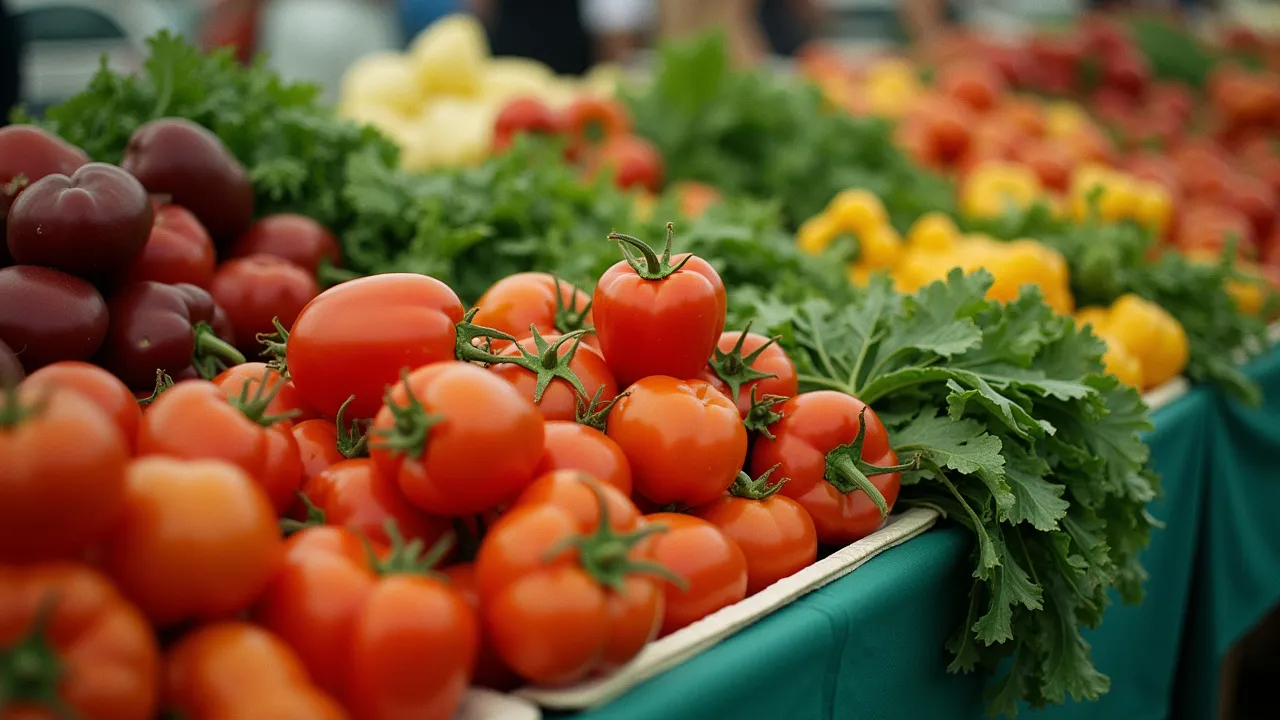
Fresh Veggies Day, observed on June 16th, celebrates the bounty and health benefits of fresh vegetables. This day encourages everyone to incorporate more raw, locally-sourced produce into their diets and recognize the importance of sustainable agriculture.
The Historical Origins & Evolutionary Journey
Fresh Veggies Day emerged from a growing need to reconnect urbanized populations with the source of their food. While no single founder is credited, the day gained traction in the early 2000s through collaborative efforts by health advocacy groups, local farmers' markets, and nutrition-focused nonprofits. The foundational catalyst was the alarming decline in fresh vegetable consumption as processed foods dominated diets.
The Foundational Catalyst
By the late 1990s, studies showed that fewer than 25% of Americans met the recommended daily intake of vegetables. The rise of convenience foods and a disconnection from farming led to public health campaigns emphasizing 'eating the rainbow.' Fresh Veggies Day crystallized these efforts into a single annual celebration.
The Legislative/Official Adoption
Unlike federal holidays, Fresh Veggies Day is not legally mandated but has been officially recognized by numerous state agricultural departments and mayors' offices. In 2005, the Produce for Better Health Foundation endorsed the day, and many community gardens adopted it as a key fundraising event. International adoption followed, with Canada and the UK observing similar days in coordination with June harvests.
Modern Global Legacy
Today, Fresh Veggies Day is celebrated across six continents. It has evolved from a simple health reminder into a platform for discussing food deserts, organic farming, and climate resilience. Social media campaigns like #FreshVeggiesDay generate millions of impressions annually, encouraging people to share photos of their garden harvests or market finds.
How to Celebrate Fresh Veggies Day
Fresh Veggies Day is designed to be hands-on and community-oriented. Below are specific strategies for individuals, schools, and organizations to maximize their celebration.
For Individuals and Families
- Visit a Local Farmers' Market: Purchase at least five different types of fresh vegetables, focusing on what is in season locally.
- Start a Container Garden: Even a small pot of cherry tomatoes or lettuce can connect you to the growing process.
- Host a 'Veggie Potluck': Invite friends to bring dishes where the main ingredient is a standout fresh vegetable, like heirloom tomato salad or grilled zucchini.
For Schools and Educational Institutions
- School Garden Planting: Organize a planting day where students install raised beds with spring vegetables.
- Cooking Demonstrations: Invite a local chef to show students how to prepare simple recipes like vegetable stir-fry or kale chips.
- Nutrition Workshops: Use Fresh Veggies Day to teach kids about vitamins and the concept of 'eating the rainbow.'
For Organizations and Businesses
- Employee Wellness Challenges: Encourage staff to track their vegetable intake and offer prizes for the most creative veggie lunches.
- Support Local Farmers: Partner with a Community Supported Agriculture (CSA) scheme and offer subsidized shares to employees.
- Public Outreach: Set up a booth at a public square providing free samples of fresh vegetable sticks with hummus.
International Variations
In Japan, the day aligns with the start of the vegetable harvest season, and many participate in 'morning market' tours. In Italy, families celebrate with 'Primavera' pasta dishes loaded with fresh peas and asparagus. In Brazil, feiras livres (free markets) offer discounts on fresh produce, and cooking competitions highlight local varieties.
Health Benefits of Fresh Vegetables
Fresh vegetables are fundamental to a balanced diet, providing essential vitamins, minerals, and fiber while being low in calories. The health benefits are extensive.
Nutrient Density
Leafy greens like spinach and kale are rich in vitamins A, C, and K, while cruciferous vegetables like broccoli contain sulforaphane, which has anti-cancer properties. Root vegetables such as carrots and beets provide beta-carotene and folate.
Disease Prevention
A diet high in fresh vegetables is linked to reduced risk of cardiovascular disease, type 2 diabetes, and certain cancers. The fiber content aids digestion and helps maintain healthy gut bacteria.
Mental Well-being
Recent studies show that eating a variety of colorful vegetables can lower symptoms of anxiety and depression. The antioxidants in peppers and tomatoes combat oxidative stress.
Storage and Preparation Tips
- Store properly: Keep leafy greens in a damp paper towel inside a plastic bag in the crisper drawer.
- Minimize cooking: Steaming or eating raw preserves more nutrients than boiling.
- Season wisely: Use herbs and spices instead of heavy sauces to enhance natural flavors.
Environmental and Economic Impact
Fresh Veggies Day also highlights the broader implications of vegetable consumption on the planet and local economies.
Sustainable Agriculture
Supporting local vegetable farmers reduces food miles and carbon emissions. Organic farming methods, which avoid synthetic pesticides, promote soil health and biodiversity.
Economic Benefits
Locally grown fresh vegetables keep money within the community. Farmers' markets create jobs and support small-scale agriculture. The day encourages consumers to buy directly from growers, cutting out middlemen.
Reducing Food Waste
Fresh vegetables are often wasted due to cosmetic imperfections. Many organizations use Fresh Veggies Day to promote 'ugly produce' campaigns, selling misshapen but perfectly edible vegetables at discounts.
Global Food Security
In developing regions, educational programs timed with this day teach families how to grow vegetables in small spaces, improving nutrition and household resilience.
Popular Vegetable Varieties and Their Seasons
Knowing when vegetables are in season ensures maximum flavor and nutritional value. Fresh Veggies Day in June falls at the peak harvest for many summer vegetables.
Early Summer Vegetables (June-August)
- Tomatoes: Heirloom varieties like Brandywine and Cherokee Purple are at their sweetest.
- Zucchini and Summer Squash: Best when small to medium-sized; large ones can be tough.
- Bell Peppers: Green, red, and yellow peppers ripen on the vine; red are fully mature and sweetest.
- Eggplant: Look for firm, glossy skin; Italian and Asian varieties differ in shape and taste.
Leafy Greens
Spinach, kale, and Swiss chard thrive in cooler spring weather but can also be harvested in June if grown in partial shade.
Root Vegetables
Carrots and beets are often pulled in early summer for baby vegetables, offering tender texture.
How to Select Fresh Vegetables
- Check firmness: Vegetables should be crisp, not limp or rubbery.
- Smell: Fresh vegetables should have a clean, earthy aroma; avoid any musty or sour smells.
- Color: Bright, vibrant colors indicate high nutrient content and freshness.
FAQs About Fresh Veggies Day
This section addresses common questions about the observance and vegetable consumption.
Is Fresh Veggies Day only for raw vegetables?
No, while the emphasis is on fresh, unprocessed produce, cooked dishes using minimal processing are also encouraged. The goal is to appreciate vegetables in their whole form.
Can I participate if I don't have access to a garden?
Absolutely. Visit a local farmers' market, join a community garden, or simply buy a variety of vegetables from your grocery store to try.
How can I involve children?
Let them pick out a new vegetable to try, host a vegetable planting activity, or make a fun snack like 'rainbow veggie skewers.'
Does the day promote organic only?
Not exclusively. While organic is encouraged, the main focus is on increasing fresh vegetable intake regardless of farming method. Choosing local and seasonal is also important.
Global Celebrations and Unique Traditions
Different cultures have incorporated their own twists on Fresh Veggies Day, making it a truly diverse observance.
United States
In the U.S., many cities host 'Veggie Fest' events with cooking competitions, nutritional seminars, and free samples. Schools often plan 'Crunchy Lunch' hours where kids eat fresh veggie sticks together.
Japan
Japanese celebrations focus on 'morning vegetable markets' where farmers sell freshly harvested greens. A popular activity is 'tsukemono' (pickling) workshops using local daikon and cucumber.
Australia
Given that June is winter in Australia, the day promotes root vegetables like sweet potatoes and pumpkins. Community gardens host 'winter veggie planting days' for cold-hardy crops.
India
In India, Fresh Veggies Day aligns with monsoon planting. Many participate by preparing traditional dishes using fresh gourd, okra, and bitter melon, and sharing them with neighbors.
Social Media Trends
Use the hashtag #FreshVeggiesDay to see trending recipes, garden tips, and fun challenges like 'the vegetable rainbow challenge.'
Historical Timeline
Health advocates begin informal campaigns to promote fresh vegetable consumption; the idea of a dedicated day is proposed.
First organized Fresh Veggies Day celebrated in select U.S. cities, promoted by local farmers' markets and nutrition groups.
Produce for Better Health Foundation officially endorses June 16 as Fresh Veggies Day, expanding its reach through school programs.
The day gains international traction, with Canada and the UK hosting their first official events.
Fresh Veggies Day is featured in major health blogs; social media campaigns begin using #FreshVeggiesDay.
The United Nations Food and Agriculture Organization recognizes the day in its International Year of Soils, emphasizing vegetable farming for soil health.
Several cities adopt 'Veggie Fest' as an annual event, combining Fresh Veggies Day with local food festivals.
Pandemic-era celebrations focus on backyard gardening and virtual cooking classes; record participation online.
Fresh Veggies Day is celebrated on all seven continents, including a small research station in Antarctica.