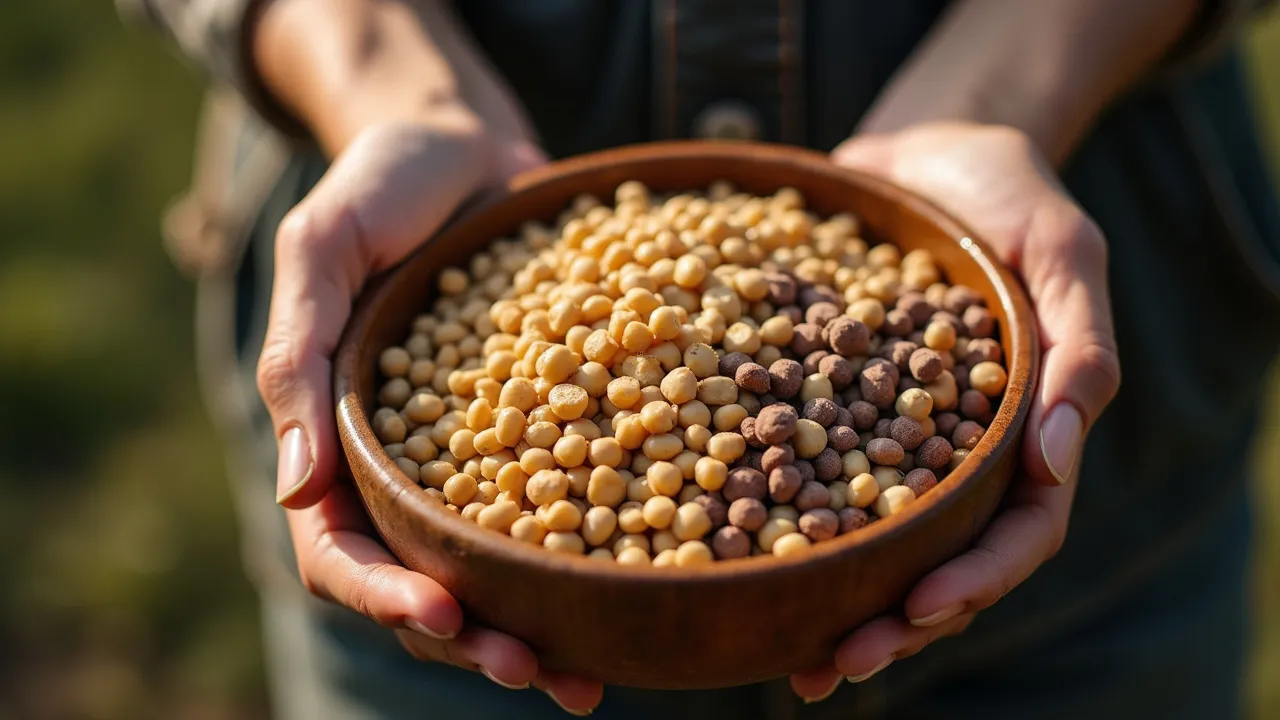
World Pulses Day is observed on February 10th each year to celebrate the nutritional and environmental benefits of pulses. Established by the United Nations, it highlights the role of legumes in sustainable food systems.
The Historical Origins & Evolutionary Journey
World Pulses Day, observed annually on February 10th, is a relatively new observance with deep roots in global food security and agricultural sustainability. Its establishment was driven by the United Nations Food and Agriculture Organization (FAO), recognizing the critical role pulses play in addressing hunger, malnutrition, and environmental challenges.
The Foundational Catalyst
The push for a dedicated day began during the International Year of Pulses (IYP) in 2016, which significantly raised awareness about the benefits of legumes. Following the success of IYP, the FAO and member states advocated for a permanent annual celebration to sustain momentum. Pulses—including beans, lentils, chickpeas, and peas—are nutrient-dense crops that improve soil health through nitrogen fixation, reduce greenhouse gas emissions compared to animal protein, and offer affordable protein sources for low-income populations.
The Legislative/Official Adoption
On December 20, 2018, the United Nations General Assembly officially adopted resolution A/RES/73/251, designating February 10th as World Pulses Day. The date was chosen to honor the traditional planting season for pulses in many parts of the world and to align with existing regional observances. The resolution was co-sponsored by over 30 countries, reflecting broad international support. The first official celebration took place in 2019, with events at FAO headquarters in Rome and across the globe.
Modern Global Legacy
Since 2019, World Pulses Day has grown into a platform for governments, NGOs, farmers, and consumers to promote pulse consumption. Campaigns like "Love Pulses" and #WorldPulsesDay engage millions on social media. The day also supports the UN Sustainable Development Goals (SDGs), particularly SDG 2 (Zero Hunger), SDG 3 (Good Health), and SDG 13 (Climate Action). As of 2025, over 100 countries participate in official events, including cooking demonstrations, school programs, and policy announcements.
How to Celebrate World Pulses Day
World Pulses Day offers a myriad of ways for individuals, communities, and organizations to participate. Below are actionable strategies, organized by audience, to make the most of February 10th.
For Individuals and Families
Cook a Pulse-Based Meal: Prepare a traditional dish like lentil soup, chickpea curry, or bean salad. Explore recipes from different cuisines—Indian dal, Middle Eastern hummus, or Latin American feijoada.
Share on Social Media: Post photos of your pulse creations using #WorldPulsesDay. Tag the FAO and local food organizations to amplify the message.
Learn About Nutrition: Read up on the health benefits of pulses—high fiber, protein, iron, and low fat. Share a fun fact with friends.
For Schools and Educators
Host a Pulse Tasting Event: Set up a table with different types of cooked pulses for students to try. Provide informational cards about each variety.
Incorporate Lessons on Agriculture: Teach how pulses enrich soil and support crop rotation. Use interactive activities like planting a bean in a cup.
Organize a Poster Contest: Ask students to design posters illustrating why pulses matter. Display the best entries in the school hallway.
For Organizations and Businesses
Launch a Pulse Product: Introduce a new pulse-based snack, flour, or ready-to-eat meal. Offer discounts on February 10th.
Employee Wellness Program: Provide pulse-rich lunches or host a webinar on sustainable diets. Encourage staff to commit to one pulse meal per week.
Partner with Local Farmers: Source pulses from regional growers and feature their stories on your website or packaging.
Regional Celebrations Around the World
India: The largest producer and consumer of pulses, India holds massive cooking competitions and health camps. Schools serve pulse-based midday meals.
Canada: The Canadian Pulse Growers Association organizes farm tours and media campaigns highlighting lentil exports.
Ethiopia: Local communities host traditional coffee and lentil stew ceremonies, emphasizing the cultural role of pulses in injera and shiro.
Nutritional Benefits of Pulses
Pulses are among the most nutrient-dense foods available, offering a unique combination of protein, fiber, vitamins, and minerals. Their consumption is linked to reduced risk of chronic diseases.
Protein Powerhouse
Pulses contain 20-25% protein by weight, making them an excellent plant-based protein source. For vegetarians and vegans, combining pulses with grains (e.g., rice and beans) provides a complete amino acid profile. A single cup of cooked lentils delivers about 18 grams of protein.
Fiber and Digestive Health
Pulses are rich in both soluble and insoluble fiber. Soluble fiber helps lower cholesterol and regulate blood sugar, while insoluble fiber promotes regular bowel movements. A diet high in pulses is associated with lower rates of obesity, heart disease, and type 2 diabetes.
Micronutrient Density
Pulses are loaded with iron, folate, magnesium, potassium, and zinc. For example, chickpeas provide 6% of daily iron per serving, crucial for preventing anemia. They also contain antioxidants like polyphenols, which combat oxidative stress.
Weight Management
Because pulses are high in protein and fiber, they increase satiety and reduce overall calorie intake. Studies show that regular pulse consumption can lead to modest weight loss without restrictive dieting.
Environmental Impact and Sustainability
Pulses are a cornerstone of sustainable agriculture. Their cultivation requires less water and fertilizer than many other crops, and they contribute to soil health and biodiversity.
Climate-Smart Crops
Compared to animal protein, pulses have a much smaller carbon footprint. Producing 1 kg of lentils emits approximately 0.9 kg of CO2 equivalent, versus 27 kg for beef. Pulses also fix nitrogen through symbiotic bacteria, reducing the need for synthetic fertilizers.
Water Efficiency
Pulses are drought-tolerant and need significantly less water than grains or livestock. For instance, chickpeas require about 300 liters of water per kg, while rice needs 2,500 liters. This makes pulses ideal for arid regions.
Soil Health and Biodiversity
Pulse crops improve soil structure and fertility, enabling better water retention and reducing erosion. They also break pest and disease cycles in crop rotations, decreasing reliance on chemical pesticides. By including pulses in farming systems, farmers can maintain yields while protecting biodiversity.
Economic Importance and Trade
Pulses are a vital economic commodity for millions of smallholder farmers, especially in developing countries. The global pulses market was valued at over $90 billion in 2023 and is projected to grow steadily.
Major Producers and Exporters
India accounts for about 25% of global pulse production, followed by Canada, Myanmar, and China. Canada is the top exporter, shipping lentils and peas worldwide. African nations like Ethiopia and Tanzania are emerging producers, leveraging pulses for both food security and export revenue.
Empowering Smallholder Farmers
Pulses are often grown by women in subsistence farming systems. Organizations like the FAO promote pulse cultivation as a tool for economic empowerment, providing training on improved varieties and market access. Fair trade initiatives help ensure farmers receive equitable prices.
Processing and Value Addition
Beyond raw grains, pulses are processed into flours, snacks, and protein isolates. The plant-based protein market is booming, with companies like Beyond Meat using pea protein. This creates jobs in processing and innovation, driving rural development.
Cultural Significance Across Civilizations
Pulses have been part of human diets for over 10,000 years, featuring prominently in the cuisines, religions, and traditions of many cultures.
Ancient Roots
Lentils were found in Egyptian tombs dating back to 2400 BCE. In ancient Greece, beans were used in democratic voting and offered to gods. The Roman Empire used chickpeas in gladiator meals for strength.
Religious and Ritual Roles
In Hindu tradition, lentils are a staple in offerings and fasts. During Ramadan, Muslims break their fast with lentils in soups like harissa. In Jewish culture, lentils are eaten during mourning rituals as a symbol of the circle of life. In some Christian traditions, beans are consumed during Lent as a meat substitute.
Global Culinary Heritage
From Indian dal to Mexican refried beans, Ethiopian missir wot to French lentil salads, pulses are central to national identities. Each region has developed unique preparation methods: roasting, sprouting, fermenting, or grinding into flour.
Future Outlook and Global Initiatives
As the world faces climate change, population growth, and health crises, pulses are increasingly recognized as a key solution. Several initiatives aim to scale up pulse production and consumption.
Research and Innovation
Breeding programs are developing climate-resilient pulse varieties that resist pests and tolerate heat. CRISPR gene editing may improve nutritional profiles. Startups are creating pulse-based alternatives to dairy and meat, expanding market reach.
Policy Support
Governments are integrating pulses into national dietary guidelines. Canada and Australia promote pulse consumption through health campaigns. India has set up a national mission to boost pulse production, aiming for self-sufficiency.
Global Partnerships
The FAO, CGIAR, and World Food Programme collaborate on Pulse Knowledge Hub to share research. The International Year of Pulses legacy continues with the Global Pulses Confederation advocating for trade policies that benefit farmers. World Pulses Day serves as an annual reminder to invest in this humble yet mighty crop.
Historical Timeline
The United Nations declares 2016 as the International Year of Pulses (IYP) to raise awareness about the nutritional and environmental benefits of pulses.
The International Year of Pulses is celebrated globally, resulting in increased production, research, and consumer interest. Over 100 countries participate in events.
Following the success of IYP, the FAO proposes the establishment of an annual World Pulses Day to sustain momentum.
The UN General Assembly adopts resolution A/RES/73/251, officially designating February 10th as World Pulses Day.
The first World Pulses Day is celebrated on February 10th, with events at FAO headquarters and across the world.
World Pulses Day goes virtual due to the COVID-19 pandemic, with online cook-alongs and webinars reaching millions.
The global pulses market surpasses $90 billion, driven by rising demand for plant-based proteins and sustainable foods.
Over 100 countries officially mark World Pulses Day, with many integrating pulse policies into national food strategies.