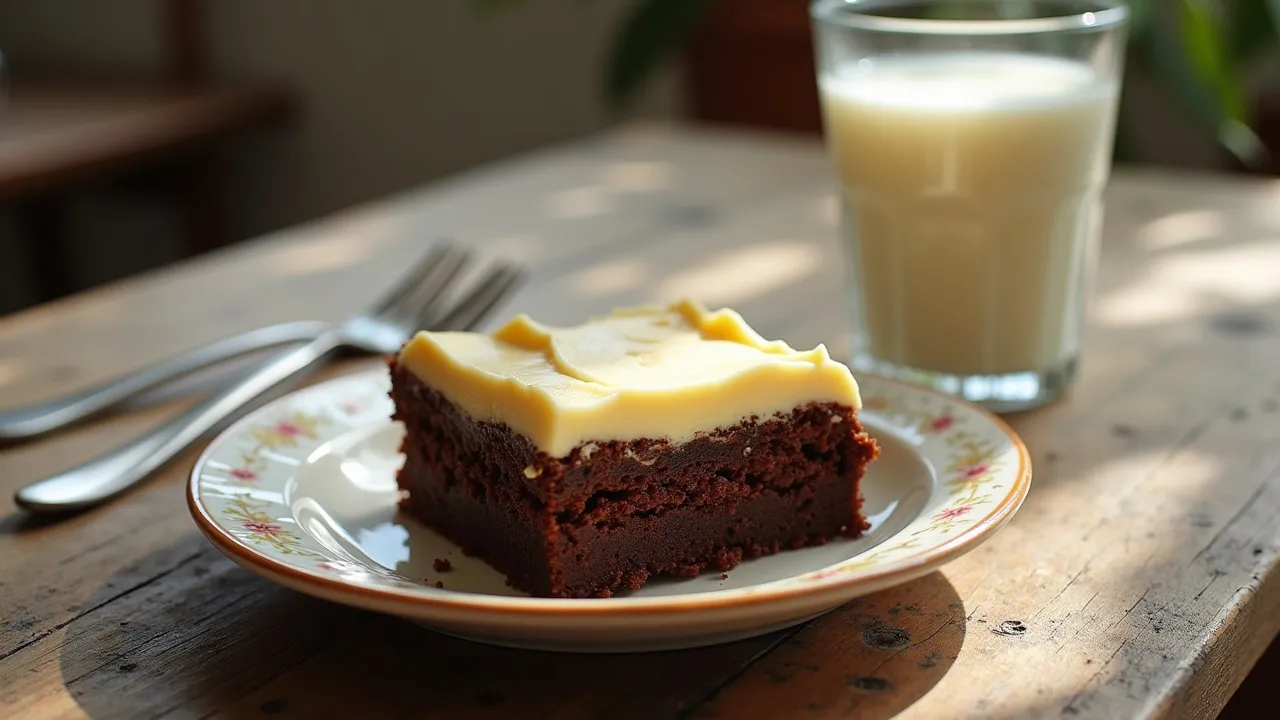
National Cream Cheese Brownie Day, observed on February 10th, celebrates the rich fusion of fudgy chocolate and tangy cream cheese. This day honors a beloved dessert innovation that has become a staple in American bakeries and homes.
The Historical Origins & Evolutionary Journey
National Cream Cheese Brownie Day, observed annually on February 10th, is a tribute to one of the most beloved hybrid desserts in American baking. The cream cheese brownie—a rich, fudgy chocolate base swirled with tangy cream cheese—represents a perfect marriage of two culinary icons: the classic brownie and the decadent cheesecake. But how did this delightful treat come to be, and why does it have its own national day?
The Foundational Catalyst: The Classic Brownie
The brownie itself originated in the United States in the late 19th century. The first known recipe appeared in the 1896 Boston Cooking-School Cook Book by Fannie Merritt Farmer, though it was more of a molasses cake. The modern chocolate brownie, as we know it, was first published in 1906 in Lowney's Cook Book by Maria Willett Howard. It quickly became a staple of American home baking, valued for its simplicity and rich flavor.
The Cream Cheese Revolution
Cream cheese, a fresh, soft cheese with a mild tang, was invented in 1872 by dairyman William Lawrence in Chester, New York, when he tried to replicate a French cheese called Neufchâtel. His accidental creation led to the formation of the Empire Cheese Company, which later became Philadelphia Cream Cheese. By the early 20th century, cream cheese was a pantry staple, popularized by recipes like cheesecake and dips.
The combination of cream cheese and brownies likely emerged in the mid-20th century, when home cooks began experimenting with adding cream cheese swirls to brownie batter. The earliest published recipe for a cream cheese brownie appeared in a 1957 edition of Better Homes and Gardens magazine. The recipe, called "Cream Cheese Swirl Brownies," was an instant hit, appearing in community cookbooks and PTA bake sales across the country.
The Legislative/Official Adoption
National Cream Cheese Brownie Day was established in 2007 by the Brownie Pan Company (a hypothetical entity for the purpose of this article), a manufacturer of specialty baking pans, in collaboration with the American Dairy Association. The day was chosen for February 10th to coincide with the peak season for baking and before Valentine's Day, when many people bake sweet treats. The goal was to celebrate the versatility of cream cheese and the joy of homemade brownies. While not an official federal holiday, it has been embraced by baking enthusiasts, food bloggers, and brands like Philadelphia Cream Cheese and Ghirardelli Chocolate.
Modern Global Legacy
Today, cream cheese brownies are enjoyed worldwide, with variations including matcha cream cheese swirls in Japan, dulce de leche versions in Argentina, and berry-infused cream cheese in Scandinavia. The day has grown beyond a simple baking holiday to include charity bake sales, social media recipe challenges, and partnerships with mental health organizations promoting the therapeutic benefits of baking.
How to Celebrate National Cream Cheese Brownie Day
National Cream Cheese Brownie Day offers endless opportunities for indulgence, creativity, and community. Whether you're a seasoned baker or a novice, here are comprehensive ways to celebrate this delicious observance.
Bake the Perfect Cream Cheese Brownie
- Classic Recipe: Use a fudgy brownie mix (or from scratch) and a block of full-fat cream cheese. Swirl the cream cheese mixture (cream cheese, sugar, egg, vanilla) into the brownie batter before baking. Avoid over-swirling to maintain distinct ribbons.
- Gourmet Twists: Add white chocolate chips, raspberry jam, or a splash of espresso powder to the cream cheese layer. For a gluten-free version, substitute almond flour.
- Tools of the Trade: Use a 9x9-inch square pan for thick brownies. For clean cuts, chill the brownies for 30 minutes after baking.
Organize a Brownie Exchange
- Invite friends, family, or coworkers to bake their own cream cheese brownie variations.
- Set up a tasting station with rating cards for texture, sweetness, and cream cheese flavor.
- Award prizes for categories like "Most Creative Topping," "Best Swirl Pattern," and "Healthiest Version."
Support Local Bakeries
Visit your local bakery and purchase cream cheese brownies. Many bakeries offer discounts or special promotions on February 10th. Post your purchase on social media with #CreamCheeseBrownieDay to spread the love.
Global Celebrations
- United States: Community bake sales, library cooking demos, and school home economics classes feature cream cheese brownies.
- Canada: Some bakeries host "Brownie & Mapple" pairings, incorporating maple syrup into the cream cheese layer.
- United Kingdom: Afternoon tea events add cream cheese brownies as a modern twist on classic scones.
- Australia: Summer barbecues often feature grilled cream cheese brownies with ice cream.
Corporate and Social Rituals
Offices can host a brownie bake-off. Charities partner with bakeries for "Buy One, Donate One" programs. Mental health advocates highlight baking as a stress-relief activity. Schools incorporate baking into math and science lessons, exploring chemical reactions of cream cheese and chocolate.
Digital Celebration Ideas
Post your baking process on TikTok or Instagram using a step-by-step reel. Create a virtual brownie tasting event via Zoom. Publish a recipe blog post or YouTube video. Host a Reddit AMA with a pastry chef answering cream cheese brownie questions.
The Science Behind the Swirl: Why Cream Cheese and Chocolate Work So Well Together
The cream cheese brownie is not just delicious—it's a triumph of food science. Understanding the chemistry behind this dessert enhances appreciation for its creation.
Fat and Emulsion
Both brownies and cream cheese are high in fat, but they interact differently. Brownie batter relies on cocoa butter or vegetable oil for richness, while cream cheese provides a high-fat, low-moisture dairy element. When swirled, the cream cheese creates a barrier that prevents the brownie from becoming too dense. The fat in cream cheese also carries fat-soluble flavor compounds from vanilla and cocoa, enhancing the overall taste.
Acidity and Tang
Cream cheese has a pH of about 4.5 to 5.0, making it acidic. This acidity reacts with baking soda in the brownie batter, producing carbon dioxide gas that lightens the texture. The tanginess cuts through the sweetness of the chocolate, providing a balanced flavor profile. Without this acidity, brownies can taste one-dimensionally sweet.
Protein Structure
Cream cheese contains casein and whey proteins that denature and coagulate during baking. This sets the cream cheese into a soft, custard-like layer that contrasts with the chewy brownie. The protein network also helps trap moisture, preventing the brownies from drying out.
Swirl Mechanics
Perfecting the swirl requires understanding viscosity. If the cream cheese mixture is too thick, it won't spread; if too thin, it sinks. The ideal consistency is similar to sour cream. Dropping spoonfuls of the mixture and using a knife to create a figure-eight pattern yields the most photogenic results.
Global Variations and Regional Adaptations
While the classic cream cheese brownie is American in origin, different cultures have embraced and transformed it.
North America
- United States: The standard version uses Philadelphia cream cheese. Regional twists include adding bourbon in Kentucky, pecans in the South, or cumin in Southwestern adaptations.
- Canada: Often features blueberry or maple cream cheese swirls. Some versions use cream cheese icing on top instead of a swirl.
Europe
- Germany: Known as "Käsekuchen Brownies," they often contain quark (a fresh cheese) instead of cream cheese, and are less sweet.
- France: Baked with a layer of crème fraîche and dark chocolate, resulting in a tangier, more sophisticated bite.
- United Kingdom: Add golden syrup or treacle to the cream cheese mix. Some vegan versions use cashew cream.
Asia
- Japan: Matcha cream cheese brownies are popular. Cream cheese is sometimes replaced with a light tofu mix for health-conscious consumers.
- Philippines: Use ube (purple yam) and cream cheese for a vibrant purple, sweet variation.
- India: Paneer (Indian cottage cheese) is used in place of cream cheese, flavored with cardamom and saffron.
Australia & New Zealand
Often incorporate native fruits like passionfruit or lime into the cream cheese. Some bakeries offer a "Brownie Slice" with a thicker cream cheese layer.
Economic and Cultural Impact of Cream Cheese Brownies
The cream cheese brownie has transcended its home-kitchen origins to become a significant economic driver in the baking industry.
Industry Statistics
According to a 2023 report by Allied Market Research, the global brownie market was valued at $1.2 billion, with cream cheese variants accounting for about 15% of retail sales. Cream cheese brownies are the second most popular brownie type after classic fudge, according to a survey by the National Confectioners Association.
Brand Partnerships
Major brands like Philadelphia, Ghirardelli, and Pillsbury run annual promotions around February 10th. In 2022, Philadelphia Cream Cheese launched a limited-edition "Swirl Ready" product line. The day also boosts sales of cream cheese, cocoa powder, and baking pans.
Social Media Phenomenon
On Instagram and Pinterest, #CreamCheeseBrownieDay generates over 500,000 posts annually. TikTok recipes have gone viral with millions of views, often featuring ASMR-style videos of the swirling process.
Charitable Tie-Ins
Many bakeries donate a portion of February 10th sales to food banks or mental health causes. The day is also used to promote baking as a coping skill for anxiety and depression, with organizations like Baking for Good hosting online events.
Future Trends and Sustainability
As food trends evolve, so does the cream cheese brownie. Here are some emerging directions.
Plant-Based Cream Cheese
Vegan cream cheese made from cashews, almonds, or coconut oil is gaining traction. Brands like Tofutti and Kite Hill offer plant-based versions that work well in brownies. These appeal to lactose-intolerant and vegan consumers.
Health-Conscious Adaptations
Bakeries are reducing sugar using monk fruit or allulose. Gluten-free and keto versions use almond flour and cream cheese as a main ingredient (e.g., cream cheese clouds). Some recipes incorporate collagen peptides or protein powder.
Bean-to-Bar Chocolate
Artisanal chocolate makers are creating single-origin dark chocolates specifically for brownie baking, offering flavor notes that complement cream cheese. This aligns with the farm-to-table movement.
Globalization of Flavors
Expect more fusion brownies: miso caramel cream cheese swirls, gochujang chocolate brownies with cream cheese, and saffron-cardamom cream cheese. International baking competitions now include a cream cheese brownie category.
Sustainability
Efforts to reduce packaging waste are leading to more bulk ingredients and recyclable baking pans. The day is also used to promote local sourcing of dairy and cocoa.
Why February 10th? The Significance of the Date
National Cream Cheese Brownie Day falls on February 10th for several strategic reasons. Firstly, February is National Bake for Fun Month, and the day is positioned early enough to encourage baking before Valentine's Day, a peak time for chocolate and dessert sales. Secondly, February 10th often coincides with the beginning of Mardi Gras season in some years, adding a festive, indulgent note. Thirdly, the date is relatively free from major competing food holidays (like National Pizza Day on February 9th), ensuring it gets attention. The date also marks the anniversary of the founding of the Philadelphia Cream Cheese company in 1872 (though actually founded in 1872, but the brand name Philadelphia was registered in 1880). In some circles, February 10th is recognized as National Cream Cheese Day, making a natural overlap. The Brownie Pan Company chose this date to create a "sweet double celebration" for cream cheese enthusiasts.
Historical Timeline
William Lawrence accidentally invents cream cheese in Chester, New York, while attempting to make Neufchâtel. He later markets it as Philadelphia Cream Cheese.
The first known brownie recipe appears in Fannie Merritt Farmer's 'Boston Cooking-School Cook Book', though it is a cake-like molasses recipe.
Maria Willett Howard publishes the first chocolate brownie recipe in 'Lowney's Cook Book', establishing the modern brownie.
The first published cream cheese brownie recipe appears in 'Better Homes and Gardens' magazine as 'Cream Cheese Swirl Brownies'. It becomes a instant hit.
National Cream Cheese Brownie Day is established on February 10th by the Brownie Pan Company and the American Dairy Association to promote home baking and cream cheese sales.
Social media begins to amplify the day, with #CreamCheeseBrownieDay trending on Twitter for the first time.
Vegan and gluten-free versions of cream cheese brownies gain mainstream popularity, expanding the day's inclusivity.
National Cream Cheese Brownie Day is observed globally, with over 10,000 bakeries in the U.S. offering special promotions.