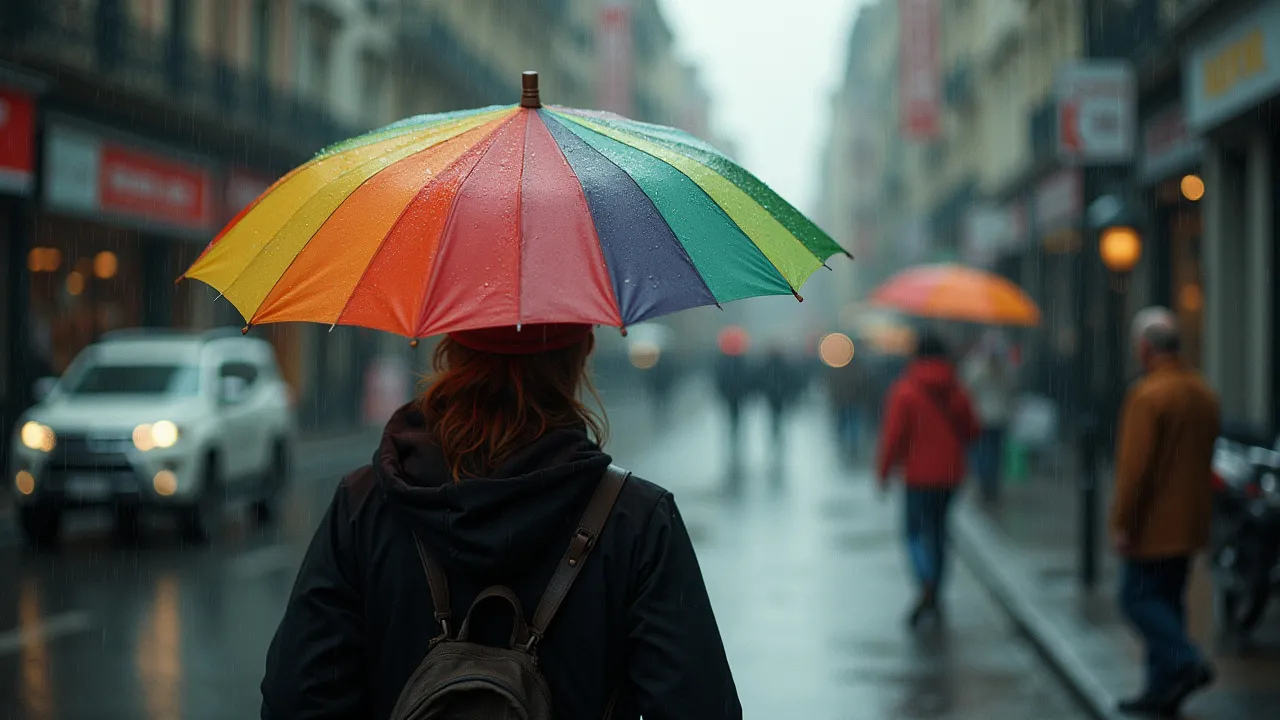
Celebrated on February 10th, National Umbrella Day honors the history, design, and cultural significance of the umbrella. From ancient sunshades to modern rain shields, discover how this everyday item evolved and how you can celebrate.
The Historical Origins & Evolutionary Journey
National Umbrella Day, observed on February 10th each year, is a day dedicated to one of humanity's most ingenious yet simple inventions: the umbrella. While the exact origins of this observance are obscure, it has been embraced by umbrella enthusiasts, historians, and weather aficionados as a time to reflect on the umbrella's profound impact on society, fashion, and daily life.
The Foundational Catalyst: From Sunshade to Rain Shield
The umbrella's lineage stretches back over 4,000 years. Early evidence points to ancient Egypt, Mesopotamia, China, and India, where umbrellas were primarily used as sunshades by royalty and nobility. In these early civilizations, the umbrella (or parasol) symbolized power and status. For instance, in ancient Egypt, umbrellas made of palm leaves or feathers were used to shade pharaohs. Similarly, in China, silk umbrellas decorated with intricate designs were reserved for the emperor and high-ranking officials.
The word 'umbrella' derives from the Latin umbra, meaning 'shade' or 'shadow.' The transition from sun protection to rain protection occurred gradually. The Chinese are credited with inventing the first waterproof umbrella by waxing or lacquering paper umbrellas. By the 1st century AD, collapsible umbrellas appeared in China, a design that would later inspire modern portable versions.
The Legislative/Official Adoption: Umbrellas in the Western World
Umbrellas did not become common in Europe until the 16th century, primarily as parasols. It was not until the 18th century that umbrellas gained acceptance as rain protection, largely due to the efforts of early adopters like the Englishman Jonas Hanway. Hanway, a traveler and philanthropist, famously carried an umbrella in London streets in the 1750s, enduring ridicule for his 'effeminate' accessory. However, his persistence helped popularize the umbrella for both men and women. By the 19th century, umbrellas had become a staple in Western wardrobes, with innovations like the steel-ribbed frame by Samuel Fox in 1852, which made umbrellas stronger and more reliable.
Modern Global Legacy
Today, umbrellas are ubiquitous, yet they continue to evolve. Modern designs include compact folding umbrellas, transparent bubble umbrellas, and even smart umbrellas with GPS trackers. The umbrella has also become a canvas for art and expression, from branded corporate umbrellas to high-fashion collaborations. National Umbrella Day serves as a moment to appreciate not only the practicality but also the cultural and historical significance of this everyday object.
How to Celebrate National Umbrella Day
Whether you are an individual, a school, or an organization, National Umbrella Day offers countless opportunities to engage with this humble yet fascinating invention. Below is a comprehensive guide to celebrating, with activities tailored to different regions and contexts.
For Individuals
Carry and Appreciate Your Umbrella: Use your favorite umbrella, perhaps one you have not used in a while, and take it for a walk—even if it is not raining. Notice its design, craftsmanship, and history.
Learn About Umbrella History: Read a book or watch a documentary about the umbrella's evolution. Share interesting facts with friends.
Personalize Your Umbrella: Decorate a plain umbrella with fabric markers, patches, or pins to make it uniquely yours.
Donate Umbrellas: Many homeless shelters and community centers need umbrellas. Donate new or gently used umbrellas to help others stay dry.
For Schools and Educational Institutions
History Lesson: Teach students about the umbrella's ancient origins and its role in different cultures. Use hands-on activities like building a mini umbrella model.
Art Project: Have students design and create their own umbrellas using paper, fabric, or recycled materials. Display them in a gallery walk.
Science Experiment: Explore the physics of umbrellas—how they repel water, why they are aerodynamic, and how they fold. Use water spray bottles to test waterproofing.
For Organizations and Businesses
Umbrella-Themed Promotions: Offer discounts on umbrellas or host a 'best umbrella' contest. Give away branded umbrellas to customers.
Charity Drives: Organize a umbrella collection drive for local shelters. Partner with weather-related charities.
Team-Building Activity: Hold a 'design your own umbrella' workshop for employees. This encourages creativity and collaboration.
Global Traditions and Regional Variations
While National Umbrella Day is primarily observed in the United States on February 10th, umbrella appreciation takes different forms worldwide:
Japan: Umbrellas are deeply tied to traditional culture. The wagasa oil-paper umbrella is used in tea ceremonies and festivals. On February 10th, some Japanese may visit umbrella shops or attend wagasa-making workshops.
United Kingdom: The Brits have a love-hate relationship with umbrellas due to frequent rain. On this day, umbrella parades or 'brolly walks' are organized in cities like London.
China: Umbrellas are symbols of good luck and prosperity. Some communities hold umbrella dances or give red umbrellas as gifts for weddings.
Brazil: In regions with intense sun, umbrella use for shade is common. Beachgoers may celebrate by bringing vibrant beach umbrellas.
The Umbrella Industry: Manufacturing, Innovation, and Economy
The umbrella industry is a multi-billion dollar global enterprise. From high-end luxury umbrellas to mass-produced cheap ones, the market is diverse and constantly innovating. Here we explore the key players, materials, and trends.
Materials and Manufacturing
Modern umbrellas are made from a variety of materials. The canopy is typically nylon, polyester, or Pongee (a type of silk-like fabric). High-end umbrellas use materials like microfiber or even Gore-Tex for waterproofing. The frame is often aluminum, fiberglass, or steel. Fiberglass frames are lightweight and resistant to wind inversion. The handle can be made of wood, plastic, rubber, or metal, each affecting grip and aesthetics.
Innovation and Smart Umbrellas
Recent innovations include umbrellas with built-in UV protection, wind-resistant frames, and automatic open/close mechanisms. Smart umbrellas, such as those from companies like Davek or Senz, feature GPS tracking, weather forecasts, and even built-in lights. Some umbrellas are designed to withstand hurricane-force winds, appealing to consumers in storm-prone areas.
Economic Impact
The global umbrella market was valued at over $5 billion in 2023, with steady growth projected. China is the largest producer, accounting for over 80% of global umbrella exports. The market is segmented by type (straight, folding, automatic) and distribution channel (online, retail, specialty stores). Seasonal demand peaks in rainy months, but National Umbrella Day helps boost year-round sales.
Umbrellas in Art, Fashion, and Pop Culture
Beyond their practical use, umbrellas have permeated art, fashion, and pop culture as symbols of elegance, mystery, and protection. From classic paintings to modern movies, the umbrella is an iconic prop.
Fine Art
Impressionist painters like Pierre-Auguste Renoir and Claude Monet often included umbrellas in their works, such as Renoir's 'The Umbrellas' (1881-1886). The painting depicts a busy Parisian street with women holding umbrellas, highlighting the social dynamics of the era. In contemporary art, umbrellas are used in installations, such as Christo and Jeanne-Claude's 'The Umbrellas' (1991), which featured thousands of blue and yellow umbrellas installed in Japan and California.
Fashion and Design
Umbrellas have become fashion accessories. Designers like Burberry, Gucci, and Louis Vuitton produce luxury umbrellas with signature patterns and high-quality materials. The classic 'London brolly' is a staple of British style. In Japan, the traditional wagasa is often hand-painted with intricate patterns, used in formal attire. Umbrellas also appear in fashion shows and photo shoots, adding a touch of drama.
Film and Television
Umbrellas feature in memorable scenes: Mary Poppins flying with her umbrella, the umbrella fight in 'The Matrix', and the iconic 'Singin' in the Rain' dance. In the 'Resident Evil' series, the Umbrella Corporation logo features a red and white umbrella, symbolizing corporate malfeasance. These cultural references cement the umbrella's place in our collective imagination.
Environmental Impact and Sustainability of Umbrellas
With millions of umbrellas produced and discarded annually, the environmental footprint of umbrellas is significant. National Umbrella Day is an opportunity to consider sustainable practices.
Waste and Recycling
Most umbrellas end up in landfills because they are difficult to recycle due to mixed materials (metal, plastic, fabric). Manufacturers are exploring biodegradable materials and modular designs that allow easy repair. Some companies, like Blunt Umbrellas, offer lifetime warranties and repair services, reducing waste.
Eco-Friendly Alternatives
Consumers can choose umbrellas made from recycled materials, such as recycled polyester or bamboo handles. Solar-powered umbrellas with LED lights are also emerging. Repairing a broken umbrella rather than replacing it is a simple yet effective sustainable action.
Corporate Responsibility
Umbrella brands are increasingly adopting sustainable practices: using eco-friendly packaging, carbon-neutral shipping, and donating unsold stock to charities. National Umbrella Day can highlight these efforts and encourage consumers to make informed choices.
The Umbrella in Science: Aerodynamics and Weather Protection
The umbrella is not just a cultural icon but also a fascinating object of physics and engineering. Understanding how umbrellas work enhances our appreciation of their design.
Aerodynamics and Wind Resistance
When wind hits an umbrella, it creates lift and drag. Traditional round umbrellas can invert in strong gusts. Innovators have developed aerodynamic shapes, like the Senz umbrella, which is asymmetrical and inspired by fighter jet wings, reducing wind resistance. Testing umbrellas in wind tunnels has led to designs that can withstand winds up to 70 mph.
Water Repellency
Umbrella fabrics are treated with hydrophobic coatings (like Teflon or silicone) to keep water beading off. Some high-end umbrellas use nanotechnology to create superhydrophobic surfaces. The angle and tension of the canopy also affect water runoff.
UV Protection
Umbrellas can block up to 99% of UV rays, making them effective sun protection. In many cultures, parasols are still used for this purpose. The UPF (Ultraviolet Protection Factor) of umbrella fabrics is an important consideration for health-conscious consumers.
Notable Figures and Historical Moments Involving Umbrellas
Throughout history, umbrellas have been present at pivotal moments and associated with famous individuals. Here we highlight a few intriguing connections.
Jonas Hanway and the Umbrella Revolution
As mentioned, Jonas Hanway is often credited with popularizing the umbrella in Britain. He faced public mockery but persisted. His statue near the Strand in London commemorates his contribution.
The Umbrella Assassination
In 1978, Bulgarian dissident writer Georgi Markov was assassinated on a London street by a modified umbrella that injected a ricin pellet. The 'Umbrella Assassination' remains a notorious espionage case.
Umbrellas in Political Protests
Umbrellas have been used as symbols of resistance. The Umbrella Movement in Hong Kong (2014) used umbrellas to shield protesters from pepper spray and as a symbol of protest. Similarly, the 'Umbrella Revolution' in Thailand (2013-2014) saw protesters using umbrellas as shields.
Historical Timeline
Early evidence of umbrellas in ancient Egypt, Mesopotamia, China, and India, used as sunshades for royalty.
Collapsible umbrellas appear in China, made from waxed paper and bamboo.
Umbrellas spread to Europe as parasols, primarily for women.
Jonas Hanway popularizes the umbrella as rain protection in London, facing initial ridicule.
Samuel Fox invents the steel-ribbed umbrella frame, making umbrellas stronger and more reliable.
Hans Haupt invents the pocket umbrella, a compact folding design that becomes widely popular.
The automatic open/close umbrella is patented by Chinese inventor Zhong Shan.
Artists Christo and Jeanne-Claude install 'The Umbrellas' in Japan and California, a large-scale environmental art project.
Senz umbrella launches with an aerodynamic design inspired by fighter jets, improving wind resistance.
The Umbrella Movement in Hong Kong uses umbrellas as protest symbols, drawing global attention.