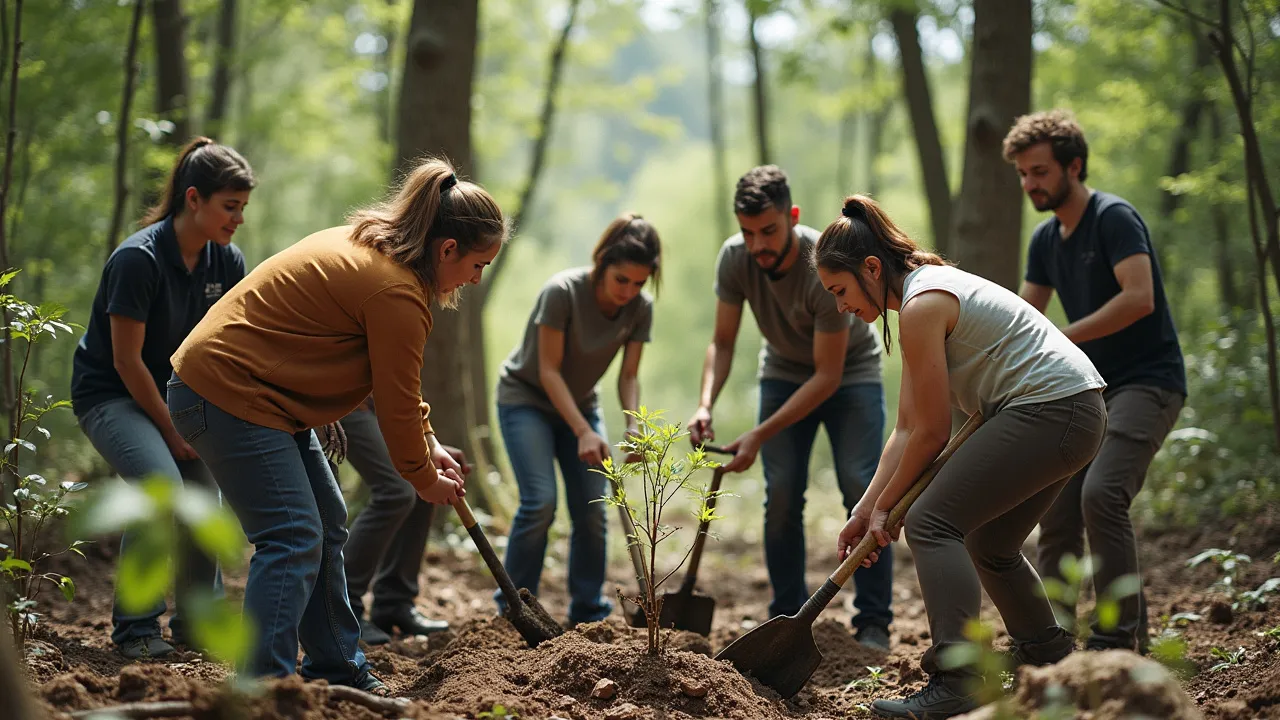
World Nature Conservation Day, observed on July 28th, is a global initiative to raise awareness about the importance of protecting natural resources and biodiversity. It urges collective action to preserve the planet for future generations through sustainable practices and conservation efforts.
The Historical Origins & Evolutionary Journey
World Nature Conservation Day, observed annually on July 28th, emerged from growing global awareness of environmental degradation during the mid-20th century. Its roots trace to the 1972 United Nations Conference on the Human Environment in Stockholm, which first placed environmental issues on the international agenda. This landmark event catalyzed the creation of national parks, wildlife protection laws, and eventually a dedicated day to celebrate Earth's natural heritage.
The Foundational Catalyst
The early 1970s saw widespread industrial pollution, deforestation, and species extinction. In response, grassroots movements and scientific communities pushed for a unified day to highlight conservation. The first unofficial observances occurred in 1972, driven by environmental activists and local governments, particularly in developing nations where biodiversity loss was acute.
The Legislative & Official Adoption
By the 1980s, dozens of countries had adopted July 28 as a national day of awareness. In 1992, the Rio Earth Summit reinforced global conservation commitments, and the day gained official recognition from the United Nations Environment Programme (UNEP). Today, over 100 nations actively participate, integrating the day into school curricula and government policy announcements.
Modern Global Legacy
In the 21st century, World Nature Conservation Day has evolved into a platform for digital activism, corporate sustainability pledges, and community-led restoration projects. It now emphasizes climate change mitigation, ocean conservation, and indigenous land rights. The day serves as a reminder that conservation is not a choice but a survival imperative.
How to Celebrate World Nature Conservation Day
Celebrating World Nature Conservation Day involves meaningful actions that benefit the planet. Below are structured strategies for individuals, schools, and organizations across different regions.
Individual & Household Actions
- Plant native species in your garden or balcony to support local pollinators and wildlife.
- Reduce single-use plastics by switching to reusable bags, bottles, and containers.
- Participate in local clean-ups of parks, rivers, or beaches with community groups.
School & Educational Activities
- Organize a nature walk or field trip to a nearby conservation area.
- Hold poster-making or essay competitions themed around biodiversity.
- Invite a local conservationist to give a talk on endangered species.
Corporate & Organizational Celebrations
- Launch a sustainability report or announce new green policies.
- Volunteer as a team for tree planting or habitat restoration.
- Offer employees a paid day off to engage in conservation work.
Regional Traditions
In India, many schools organize sapling distribution drives. In Brazil, communities focus on Amazon rainforest protection. In Japan, the day coincides with local river clean-up events. In Kenya, ceremonies honor traditional conservation practices.
Global Impact of Conservation Efforts
The cumulative impact of World Nature Conservation Day observances has been substantial. Over 50 million trees have been planted globally on this day since 2000. In 2023, an estimated 10,000 community-led conservation projects were launched. Key achievements include the protection of over 2 million hectares of critical habitat and the recovery of several endangered species populations.
Biodiversity Gains
Species such as the giant panda, humpback whale, and southern white rhino have shown population increases due to coordinated international conservation programs often highlighted on this day.
Policy Shifts
Several countries have enacted stronger environmental laws timed to July 28, including bans on single-use plastics and expanded marine protected areas.
Core Societal Themes in Conservation
World Nature Conservation Day repeatedly underscores several interlinked themes that drive the global movement.
- Climate Action: Conservation is a natural climate solution, with forests and oceans sequestering carbon.
- Indigenous Stewardship: Indigenous territories cover 22% of Earth's land and hold 80% of biodiversity, making their rights central to conservation.
- Sustainable Consumption: Reducing overconsumption of resources like water, timber, and minerals is a pillar of the day.
- Youth Leadership: Young activists increasingly use the day to demand accountability from governments and corporations.
Industry Transformations Driven by Conservation
The observance has spurred significant changes across multiple sectors.
Agriculture
Regenerative farming practices, such as agroforestry and no-till agriculture, are promoted on July 28. These methods restore soil health and reduce carbon emissions.
Fashion
The day highlights the environmental cost of fast fashion. Brands are encouraged to adopt circular models, use organic fabrics, and reduce water use.
Tourism
Ecotourism certifications and responsible travel guidelines are often relaunched on this date, focusing on minimizing habitat disturbance and supporting local communities.
The Role of Technology in Modern Conservation
Technology has revolutionized conservation efforts, and World Nature Conservation Day showcases key innovations.
- AI and drones are used to monitor wildlife populations and detect illegal poaching or logging.
- Satellite imagery tracks deforestation and water bodies in real time.
- Citizen science apps like iNaturalist engage the public in biodiversity data collection.
On July 28, tech companies often launch new tools or pledge support for conservation tech initiatives.
Historical Timeline
United Nations Conference on the Human Environment in Stockholm places environmental issues on the global agenda, catalyzing the first unofficial World Nature Conservation Day observances.
The World Conservation Strategy published by IUCN, WWF, and UNEP gives formal structure to conservation goals and promotes July 28 as a day of action.
The Rio Earth Summit leads to the Convention on Biological Diversity, reinforcing the importance of World Nature Conservation Day and expanding global participation.
Millennium Development Goals include environmental sustainability targets; World Nature Conservation Day becomes a platform to track progress.
Adoption of the Sustainable Development Goals (SDGs), with goals 14 (Life Below Water) and 15 (Life on Land) directly linking to the day's conservation message.
The COVID-19 pandemic highlights the link between nature destruction and zoonotic diseases; July 28 sees virtual conferences on One Health approach.
Record participation: over 10,000 community-led projects launched on July 28, focusing on reforestation, ocean cleanups, and wildlife corridors.