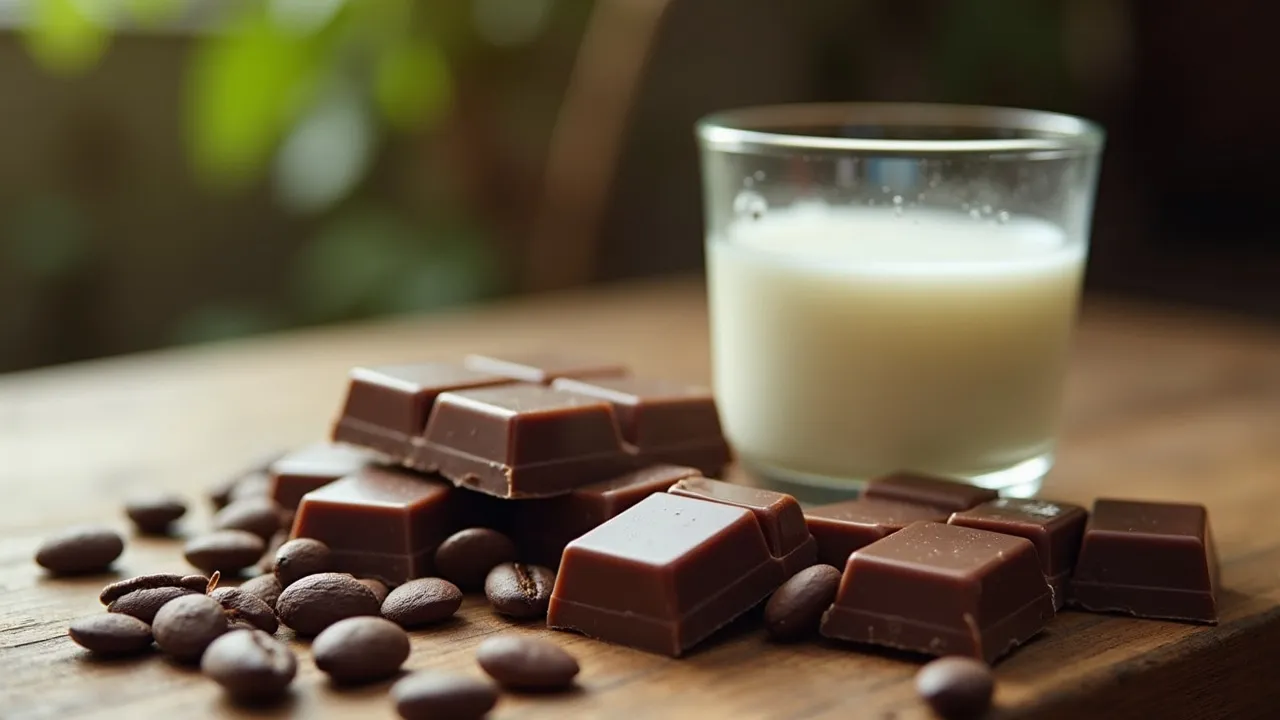
National Milk Chocolate Day on July 28th celebrates the creamy, sweet confection loved worldwide. From its Swiss origins in the 1870s to modern innovations, discover the history, ways to celebrate, and indulgent pairings of milk chocolate.
The Historical Origins & Evolutionary Journey
National Milk Chocolate Day, observed annually on July 28th, honors one of the world's most beloved confections: milk chocolate. This day is not just about indulging in a sweet treat but also appreciating a rich history that spans centuries and continents.
The Invention of Milk Chocolate
The story of milk chocolate begins in the 19th century. Before 1875, chocolate was consumed primarily as a bitter beverage or a dark solid. The breakthrough came from Daniel Peter, a Swiss chocolatier, who experimented with adding condensed milk to chocolate. In 1875, after years of trial, Peter partnered with Henri Nestlé, a pioneer in infant formula, to create the first commercial milk chocolate. Their innovation combined cocoa solids, cocoa butter, sugar, and milk, resulting in a smoother, sweeter, and creamier product that appealed to a broader audience.
The Rise of Milk Chocolate in the 20th Century
By the early 1900s, milk chocolate had become a global phenomenon. Major companies like Cadbury (UK), Milka (Switzerland), Hershey's (USA), and Nestlé began mass-producing milk chocolate bars, making them affordable and accessible. The invention of the conching machine by Rodolphe Lindt further refined the texture, creating the melt-in-your-mouth quality we know today. During World War II, milk chocolate was included in soldiers' rations, boosting its popularity in the United States and beyond.
Modern Global Legacy
Today, milk chocolate is a staple in nearly every country. July 28th serves as a day to celebrate its contribution to culinary arts, confectionery industry, and global culture. From artisanal bean-to-bar makers to multinational brands, milk chocolate continues to evolve with new flavor combinations, sustainable sourcing practices, and ethical certifications.
How to Celebrate National Milk Chocolate Day
Celebrating National Milk Chocolate Day on July 28th can be as simple or elaborate as you like. Whether you are a casual enthusiast or a dedicated connoisseur, here are some authentic ways to honor the day, with traditions spanning different cultures.
At Home
- Taste Test: Organize a milk chocolate tasting featuring bars from different countries—Swiss, Belgian, American, and Japanese. Note flavor notes: creaminess, sweetness, cocoa intensity.
- Baking: Bake milk chocolate chip cookies, milk chocolate brownies, or a classic milk chocolate fondue with fresh fruits and marshmallows.
- Hot Chocolate: Make a rich cup of hot milk chocolate using real milk and chopped chocolate—add a pinch of sea salt or cinnamon for a twist.
Around the World
- United States: Many chocolate shops and brands offer special promotions. Hershey's often runs social media campaigns encouraging fans to share their milk chocolate moments using #NationalMilkChocolateDay.
- Switzerland: Visit a Swiss chocolate factory like Lindt Home of Chocolate in Zurich for guided tours and samplings. Swiss locals enjoy pairing milk chocolate with alpine cheese and dried meats.
- United Kingdom: Cadbury lovers often host chocolate parties with Dairy Milk bars, Wispa, or Aero. Some pubs even offer milk chocolate-themed desserts like chocolate stout cake.
- Japan: Japanese celebration focuses on premium milk chocolate from brands like Royce' or Meiji, often paired with matcha or sakura flavors. Conveyancer's chocolate, known as "nama chocolate," is a popular gift.
Corporate and Community Events
Businesses can host chocolate-making workshops, offer free samples, or partner with local chocolatiers. Schools might incorporate a lesson on the history of chocolate and the chemistry behind making it smooth. Food bloggers often post recipes and reviews, driving engagement and awareness.
Health Impact & Nutritional Profile
While milk chocolate is often considered a guilty pleasure, it does offer some nutritional benefits when consumed in moderation. Understanding its composition helps consumers make informed choices on National Milk Chocolate Day.
Nutritional Components
- Calcium and Protein: The milk content provides calcium (about 10% of daily value per ounce) and a small amount of protein.
- Antioxidants: Cocoa contains flavonoids that support heart health, but milk chocolate has lower cocoa content (10-50%) compared to dark chocolate, so antioxidant levels are modest.
- Sugar and Fat: Milk chocolate is higher in sugar and milk fat, making it more calorie-dense. A standard 1.5 oz bar has around 220 calories, 13g fat, and 24g sugar.
Moderation Tips
To enjoy National Milk Chocolate Day healthfully: choose smaller portions (fun size bars), pair with fruit for added fiber, or look for brands that use natural sweeteners or higher cocoa percentages. People with lactose intolerance can try lactose-free milk chocolate or vegan versions made with oat or almond milk.
Ethical Considerations
Many consumers now seek fair-trade and Rainforest Alliance certified milk chocolate to support sustainable farming and fair wages for cocoa farmers. Brands like Tony's Chocolonely and Divine Chocolate lead the way in ethical sourcing.
The Global Confectionery Industry & Economic Impact
The milk chocolate market is a multi-billion dollar industry that drives economies worldwide. On National Milk Chocolate Day, it's worth acknowledging the supply chain from bean to bar and the economic footprint of this beloved product.
Production and Trade
More than 70% of the world's cocoa is grown in West Africa, primarily in Côte d'Ivoire and Ghana. After harvesting, cocoa beans are fermented, dried, and shipped to manufacturing countries like Switzerland, Belgium, the United States, and Germany. These nations produce the vast majority of milk chocolate products. In 2023, the global milk chocolate market was valued at over $60 billion, with steady growth projected at 4-5% annually due to rising demand in Asia and Latin America.
Major Players
- Mondelēz International (Cadbury, Milka, Côte d'Or)
- Nestlé (Crunch, Kit Kat, Aero)
- Hershey Company (Hershey's, Reese's)
- Lindt & Sprüngli (Lindor, Ghirardelli)
- Ferrero (Kinder, Ferrero Rocher)
Job Creation and Tourism
Chocolate factories and museums attract millions of tourists annually. For example, the Maison Cailler in Switzerland and the Cadbury World in the UK provide jobs and promote local economies. The industry also supports chocolate sommeliers, pastry chefs, and packaging designers.
Innovations & Future Trends in Milk Chocolate
Milk chocolate is not static; it continues to evolve with consumer preferences and technological advancements. National Milk Chocolate Day is a perfect occasion to explore cutting-edge developments.
Plant-Based and Vegan Milk Chocolate
Growing demand for dairy alternatives has led to vegan milk chocolate made from oat, almond, coconut, or rice milk. Brands like Vego, Alter Eco, and Hu Kitchen offer creamy textures without animal products. Some even use fermentation-derived dairy proteins to mimic traditional milk chocolate, as seen with Perfect Day's precision fermentation.
Sustainability and Transparency
Blockchain technology is being used to trace cocoa from farm to shelf, ensuring ethical practices. Companies are investing in agroforestry and direct trade models to reduce deforestation and improve farmer livelihoods. Carbon-neutral and compostable packaging are becoming industry standards.
Flavor Fusion
Modern palates embrace bold combinations: milk chocolate with sea salt, chili, matcha, tahini, or even olive oil. Limited editions and artisanal craft chocolates push boundaries, making milk chocolate a versatile canvas for culinary creativity.
Fun Facts & Trivia About Milk Chocolate
Lighten up your celebration with these intriguing milk chocolate facts that will impress friends on July 28th.
- First Milk Chocolate Bar: Daniel Peter's 1875 creation was called "Gala Peter," still produced in Switzerland today.
- World's Largest Milk Chocolate Bar: A massive 5,792 kg bar was made by Thorntons in 2011 in the UK.
- White vs. Milk: White chocolate contains no cocoa solids, only cocoa butter, sugar, and milk—technically not "chocolate" by FDA standards, but often grouped with milk chocolate.
- Melting Point: Milk chocolate melts at around 86°F (30°C), just below body temperature, giving it a smooth feel in your mouth.
- Milk Chocolate in Space: Astronauts aboard the International Space Station enjoy specially formulated milk chocolate bars that withstand microgravity without crumbling.
- Cultural Symbolism: In many cultures, milk chocolate is a symbol of comfort, reward, and celebration. It's a common gift for Valentine's Day, Easter, and Halloween.
Historical Timeline
Swiss chocolatier Daniel Peter develops the first commercial milk chocolate by adding condensed milk from his neighbor Henri Nestlé to chocolate liquor.
Rodolphe Lindt invents the conching machine, refining chocolate texture and making milk chocolate smoother and more palatable.
Cadbury launches its first milk chocolate bar, Dairy Milk, in the United Kingdom, using a higher proportion of milk (than Swiss recipes).
Hershey's Milk Chocolate Bar is introduced in the United States, becoming a standard for American taste.
Milka brand is launched in Switzerland, distinguished by its purple packaging and Alpine milk.
Nestlé launches the first white chocolate (though not milk chocolate) as a way to use excess cocoa butter.
Milk chocolate bars are included in U.S. military rations, boosting factory production and post-war popularity.
The rise of premium and single-origin milk chocolate as part of the craft chocolate movement.
National Milk Chocolate Day begins to be recognized annually on July 28th, promoted by confectionery companies and food enthusiasts.
Vegan milk chocolate gains mainstream traction, with sales increasing by 40% as plant-based eating expands.