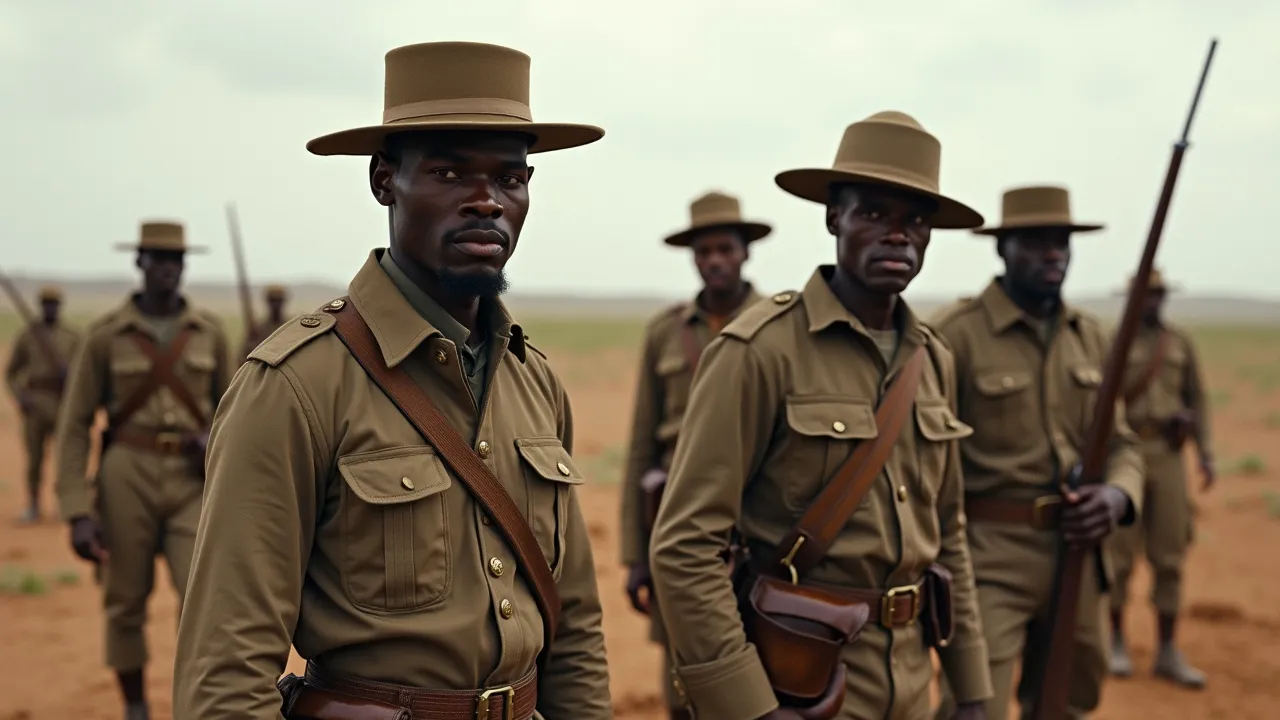
Buffalo Soldiers Day, observed on July 28, honors the African American soldiers who served in segregated US Army regiments after the Civil War. It commemorates their bravery, contributions to westward expansion, and enduring legacy.
Historical Origins and Evolution
Buffalo Soldiers Day is observed annually on July 28 to commemorate the formation of the first all-Black regiments in the U.S. Army on July 28, 1866. This day honors the courage and service of African American soldiers who served in the 9th and 10th Cavalry and the 24th and 25th Infantry Regiments after the Civil War.
The Foundational Catalyst
Following the Civil War, Congress passed the Army Reorganization Act in 1866, which authorized the creation of six all-Black regiments. These soldiers, many of whom were former slaves or free African Americans, were tasked with rebuilding the nation and protecting settlers during westward expansion. They faced extreme discrimination but proved their valor on the frontier.
Legislative and Official Adoption
In 1992, President George H.W. Bush signed Public Law 102-415, officially designating July 28 as Buffalo Soldiers Day. The law recognized the historical significance of these regiments and their contributions to American history. The date was chosen to mark the exact day the units were established.
Modern Global Legacy
Today, Buffalo Soldiers Day is celebrated by military units, historical societies, and heritage organizations. It serves as a reminder of the African American military heritage and the fight for equality. The legacy of the Buffalo Soldiers extends to their role in national parks, where they served as some of the earliest park rangers.
How to Celebrate Buffalo Soldiers Day
Buffalo Soldiers Day can be observed in many meaningful ways, from educational events to community service. Below are actionable strategies for individuals, schools, and organizations.
For Individuals
- Visit a museum or exhibit dedicated to African American military history, such as the Buffalo Soldiers National Museum in Houston, Texas.
- Read books or watch documentaries about the Buffalo Soldiers, like "The Buffalo Soldiers: A Narrative of the Black Cavalry in the West."
- Share stories on social media using hashtags like #BuffaloSoldiersDay to spread awareness.
For Schools
- Organize a classroom discussion on the role of African American soldiers in U.S. history.
- Assign students to write essays or create projects about Buffalo Soldiers' contributions.
- Invite a local historian or veteran to speak about military heritage.
For Organizations
- Host a commemorative ceremony at a local veterans' memorial, including a moment of silence.
- Partner with historical reenactment groups to showcase Buffalo Soldier uniforms and equipment.
- Donate to scholarships or charities that support African American veterans.
Role in Westward Expansion
The Buffalo Soldiers were instrumental in the settlement of the American West. They built roads, protected mail routes, and engaged in conflicts with Native American tribes. Their nickname, believed to have been given by Native Americans who compared their hair to that of a buffalo, became a symbol of respect.
Key Contributions
- Escorting wagon trains and cattle drives across the plains.
- Surveying and constructing telegraph lines and military outposts.
- Participating in the Indian Wars, earning 18 Medals of Honor by 1890.
Despite their service, they faced racism and inferior equipment, but their discipline and effectiveness were widely recognized.
Contributions to National Parks
During the late 19th and early 20th centuries, Buffalo Soldiers served as some of the first rangers in national parks like Yosemite and Sequoia. They protected the land from poachers, fought wildfires, and built trails. Their work laid the foundation for the National Park Service.
Notable Achievements
- In 1903, the 9th Cavalry patrolled Yosemite National Park, building the first usable trail to the top of Mount Whitney.
- They managed campsites and regulated livestock grazing, ensuring conservation.
- Their presence challenged racial stereotypes and demonstrated competence in stewardship roles.
Military Legacy and Integration
The Buffalo Soldiers served with distinction in multiple wars, including the Spanish-American War, the Philippine-American War, and both World Wars. Their performance helped pave the way for the eventual integration of the U.S. military in 1948 under President Truman.
Key Battles
- Santiago Campaign (1898): The 9th and 10th Cavalry charged up San Juan Hill alongside Theodore Roosevelt's Rough Riders.
- Mexican Expedition (1916): They pursued Pancho Villa across the border.
- World War II: The 92nd and 93rd Infantry Divisions, descendants of the Buffalo Soldiers, fought in Europe and the Pacific.
Their legacy of bravery directly challenged segregation and contributed to the civil rights movement.
Cultural Impact and Recognition
The Buffalo Soldiers have been honored in numerous ways, including stamps, monuments, and films. In 1992, Congress officially recognized them, and the Buffalo Soldiers National Museum was founded in 2001. Their story is a vital part of American history.
Modern Tributes
- U.S. Postal Service issued a commemorative stamp in 1994.
- Statues stand at Fort Leavenworth, Kansas, and other military bases.
- Educational programs in schools teach their contributions to STEM fields, as many Buffalo Soldiers were skilled surveyors and engineers.
Modern Commemorations and Events
Across the United States, Buffalo Soldiers Day is celebrated with reenactments, parades, and educational events. The Buffalo Soldiers National Museum hosts special programs, and many military bases hold ceremonies. Online, virtual exhibits and webinars allow global participation.
How to Get Involved
- Attend local events at historical sites like Fort Huachuca or Fort Davis.
- Participate in living history demonstrations that depict Buffalo Soldier life.
- Support organizations that preserve African American military history, such as the Buffalo Soldiers Association.
Historical Timeline
Congress passes the Army Reorganization Act, creating six all-Black regiments: the 9th and 10th Cavalry, and the 24th and 25th Infantry.
The 10th Cavalry is stationed at Fort Leavenworth, Kansas, beginning their frontier service.
Buffalo Soldiers from the 9th and 10th Cavalry participate in the Battle of San Juan Hill during the Spanish-American War.
Buffalo Soldiers of the 9th Cavalry begin patrolling Yosemite National Park, becoming early park rangers.
The 10th Cavalry serves in the Punitive Expedition in Mexico, chasing Pancho Villa.
Buffalo Soldier descendant units, including the 92nd Infantry Division, fight in World War II.
President Harry S. Truman issues Executive Order 9981, desegregating the U.S. military, paving the way for the end of segregated units.
President George H.W. Bush signs Public Law 102-415, designating July 28 as Buffalo Soldiers Day.
The Buffalo Soldiers National Museum opens in Houston, Texas, dedicated to preserving their legacy.