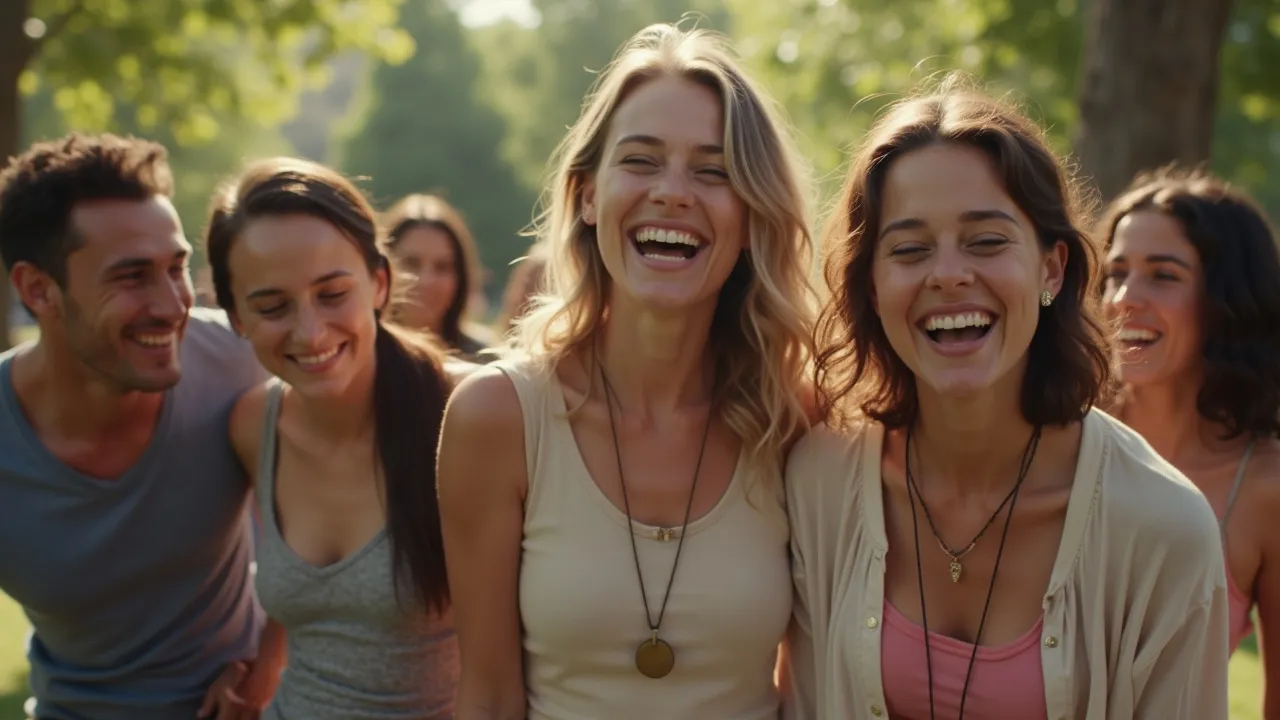
World Laughter Day, observed on the first Sunday of May, promotes joy, health, and peace through laughter. Founded by Dr. Madan Kataria, it unites people globally in laughter clubs and events.
The Historical Origins & Evolutionary Journey
World Laughter Day was founded by Dr. Madan Kataria, a physician from Mumbai, India, who started the Laughter Yoga movement in 1995. The first World Laughter Day celebration took place on January 11, 1998, in Mumbai, but the date was later moved to the first Sunday of May to align with global participation.
The Foundational Catalyst
Dr. Kataria discovered the therapeutic power of laughter while writing an article on the health benefits of laughter. He and his wife, Madhuri, started a small laughter club with just five people in a local park. The concept spread rapidly, leading to the formation of hundreds of laughter clubs worldwide. The first Laughter Yoga club met daily, combining laughter exercises with yogic breathing.
The Legislative/Official Adoption
World Laughter Day gained international recognition through the efforts of laughter clubs and organizations. In 2000, the day was officially registered as a global event. It is not a government-recognized holiday but is celebrated by millions in over 100 countries. The day has been endorsed by various health organizations for its stress-relieving benefits.
Modern Global Legacy
Today, World Laughter Day is marked by laughter flash mobs, laughter yoga sessions, and community gatherings. It has evolved into a symbol of unity and peace. The day emphasizes that laughter is a universal language that transcends cultural and political barriers. Events often include free laughter workshops, marathons, and online challenges.
How to Celebrate World Laughter Day
World Laughter Day offers numerous ways to participate, from personal practices to large-scale community events. Below are detailed strategies for individuals, schools, and organizations.
For Individuals
- Join a local laughter club or start one with friends. Search online for groups near you or initiate a session in a park.
- Practice laughter yoga at home: Combine deep breathing with simulated laughter, which often turns real. Use online videos or apps.
- Watch a comedy show, movie, or stand-up special. Share funny stories with family.
- Organize a laughter picnic: Invite others to a green space for games and laughter exercises.
For Schools & Educational Institutions
- Host a 'Laughter Assembly' where students and teachers perform laughter exercises and acts.
- Include a laughter break in the daily schedule. Use fun songs and skits.
- Conduct a 'Laughter Letter' campaign where students write jokes or humorous essays.
For Organizations & Corporations
- Arrange a laughter yoga workshop for employees to boost morale and reduce stress.
- Organize a 'Laughter Flash Mob' in a public area, with participants wearing bright colors.
- Donate to charities that use humor for therapy, such as clown doctors.
Global Traditions and Variations
In India, mass laughter gatherings in parks are common. In the USA, laughter yoga clubs often collaborate with yoga studios. In Japan, 'Rakugo' (comic storytelling) events are popular. In Europe, laughter flash mobs in town squares attract media attention.
Health Benefits of Laughter
Laughter is scientifically proven to improve physical and mental health. World Laughter Day highlights these benefits to encourage regular laughter practice.
Physical Health
- Boosts immune system by increasing antibodies and activating T-cells.
- Improves cardiovascular health: A good laugh increases heart rate and oxygen consumption, similar to light exercise.
- Relaxes muscles for up to 45 minutes after laughing.
- Reduces pain by releasing endorphins.
Mental Health
Laughter decreases stress hormones like cortisol. It can reduce anxiety and depression by providing a natural emotional release. Laughter yoga combines forced laughter with breathing exercises, which triggers genuine laughter and emotional shifts.
Social Benefits
Laughter strengthens relationships and creates bonds. It enhances group dynamics and fosters a sense of belonging. World Laughter Day gatherings build community spirit.
Laughter Yoga: The Core Practice
Laughter Yoga is the foundation of World Laughter Day. Developed by Dr. Madan Kataria, it combines unconditional laughter with yogic breathing (Pranayama). The practice involves simulated laughter exercises that often become real through eye contact and playfulness.
How a Laughter Yoga Session Works
- Warm-up: Clapping, chanting 'Ho ho ha ha', and deep breathing.
- Laughter Exercises: Various playful activities like 'Gradient Laughter', 'Silent Laughter', and 'Laughter with Food' (pretending to eat something funny).
- Deep Breathing: To cool down and relax.
Sessions typically last 20-30 minutes. No special equipment is needed. Over 20,000 laughter clubs exist in more than 110 countries.
Global Impact and Cultural Significance
World Laughter Day has grown into a global movement promoting peace and unity. It transcends cultural and political boundaries, emphasizing our shared humanity.
Peace Movements
Laughter is used as a tool for conflict resolution. In areas of tension, laughter clubs bring together people from opposing sides, fostering dialogue and understanding. For example, laughter clubs in the Middle East have included participants from diverse backgrounds.
Corporate Wellness
Many companies incorporate laughter yoga to improve employee well-being and productivity. Studies show a 15% increase in job satisfaction after regular laughter sessions.
Environmental Connection
Some events link laughter to environmental causes, encouraging participants to laugh for the planet. Outdoor sessions promote appreciation of nature.
Common Myths and Misconceptions
Myth: Laughter Yoga is about telling jokes.
Fact: Laughter yoga does not rely on jokes or humor. It uses exercises that simulate laughter, which the brain cannot distinguish from real laughter, releasing the same health benefits.
Myth: You need to be in a good mood to laugh.
Fact: Laughter can be done anytime. The practice of forced laughter often triggers genuine laughter and improves mood.
Myth: Laughter is only for children.
Fact: Laughter is beneficial for all ages. Senior citizens particularly benefit from improved respiratory function and social connection.
Historical Timeline
Dr. Madan Kataria establishes the first Laughter Club in Mumbai, India, with five people.
First World Laughter Day celebrated on January 11 in Mumbai.
World Laughter Day officially recognized as a global event; date moved to first Sunday of May.
Over 10,000 laughter clubs exist worldwide in 65 countries.
Laughter Yoga introduced in corporate wellness programs across the USA and Europe.
Virtual laughter sessions surge due to COVID-19 pandemic, with online events reaching millions.
More than 20,000 laughter clubs in 110 countries; World Laughter Day celebrated globally with flash mobs and online events.