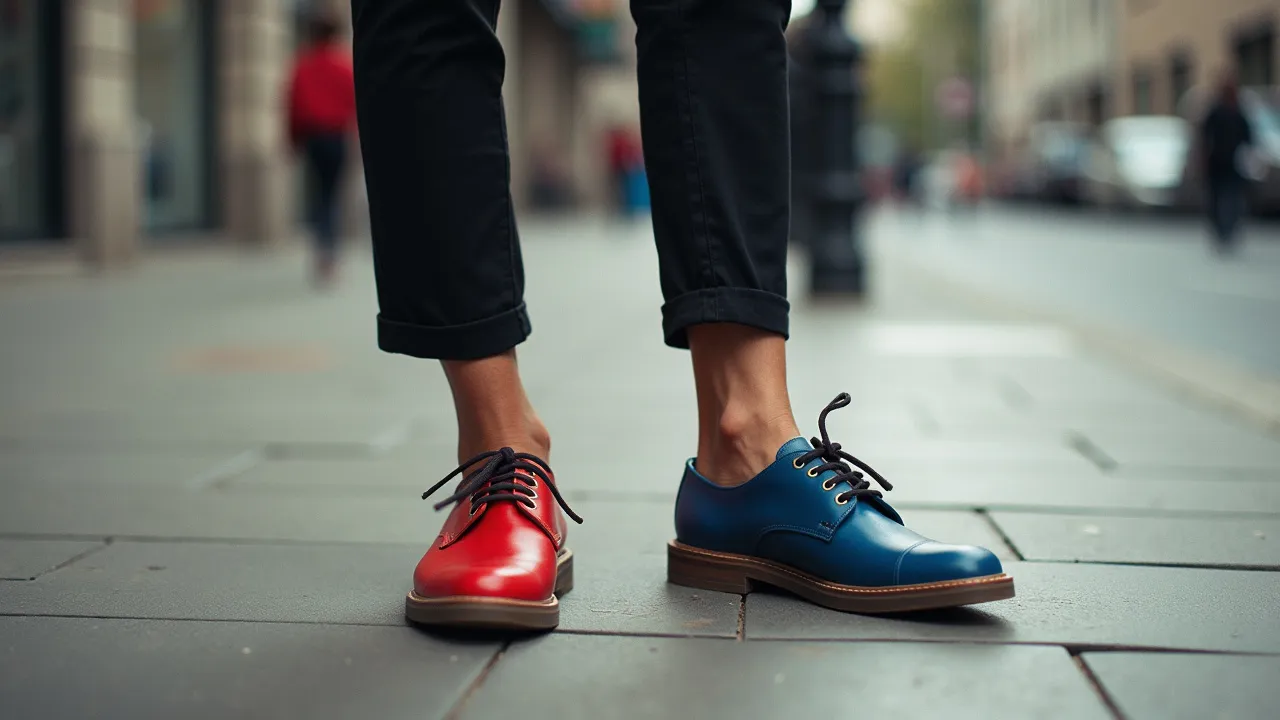
Celebrated on May 3rd, National Two Different Colored Shoes Day encourages people to wear mismatched shoes as a fun way to express individuality and raise awareness for multiple sclerosis and other causes. Embrace your unique style!
The Historical Origins & Evolutionary Journey
National Two Different Colored Shoes Day, observed annually on May 3rd, is a celebration of individuality and a platform for awareness. The exact origins are modest, emerging from grassroots efforts in the early 2000s to promote self-expression and spark conversations about neurological conditions, particularly multiple sclerosis (MS).
The Foundational Catalyst
The day's inception is linked to campaigns by organizations like the National Multiple Sclerosis Society, which encouraged wearing mismatched shoes to symbolize the unpredictable symptoms of MS—where one's body can feel 'mismatched' from day to day. The visual of mismatched shoes became a powerful conversation starter, allowing people to share stories and educate others.
The Legislative/Official Adoption
While no formal government proclamation exists, the observance gained traction through social media and community events. By the 2010s, schools and workplaces began participating, turning the day into a lighthearted tradition. The lack of a single founder underscores its organic, people-driven nature.
Modern Global Legacy
Today, the day is celebrated worldwide, not only for MS awareness but also for promoting diversity and mental health. It encourages people to step out of conformity and celebrate what makes them unique. The day has also been adopted by fashion circles as a statement of avant-garde style.
How to Celebrate National Two Different Colored Shoes Day
Participating is simple: put on two different shoes! But to maximize impact and fun, follow these best practices:
For Individuals
- Choose contrasting colors like black and white or bright yellow and blue to make a statement.
- Share your look on social media with #TwoDifferentShoesDay to join the global conversation.
- Donate to MS research or a cause that resonates with you.
For Schools and Workplaces
- Organize a 'Mismatch Day' where everyone wears different shoes.
- Hold a fundraiser with a small fee for participation, proceeds to charity.
- Host a storytelling circle where people share experiences related to uniqueness or health challenges.
Global Celebration Dynamics
In the US, the day is often tied to MS awareness month. In the UK, some schools use it to discuss bullying and individuality. In Japan, it's embraced as part of 'kawaii' culture, pairing mismatched socks with shoes. The key is creativity and openness.
The Symbolism of Mismatched Shoes
Shoes are more than footwear; they represent our journey. Mismatched shoes symbolize embracing imperfection and challenging societal norms. This day reminds us that diversity is beautiful. The act of wearing two different shoes can be a metaphor for balancing different aspects of life—work and play, strength and vulnerability.
Psychological Impact
Studies show that small acts of non-conformity boost creativity and self-esteem. By deliberately choosing mismatched shoes, people signal to themselves and others that it's okay to be different.
Awareness and Fundraising Impact
National Two Different Colored Shoes Day has become a significant fundraising tool for multiple sclerosis research. Since its unofficial start, millions of dollars have been raised through shoe-themed events. In 2019, over $2 million was collected globally on this day alone. Corporate partnerships with shoe brands have also boosted visibility, with limited-edition mismatched shoe sets sold for charity.
Fashion and Cultural Influence
The day has influenced fashion trends, with designers creating intentional mismatched collections. Runways have featured models wearing one heel and one sneaker. In pop culture, celebrities like Pharrell Williams and Rihanna have been spotted in mismatched shoes, normalizing the look. The day encourages consumers to experiment with style without fear of judgment.
Educational and Social Benefits
Schools use the day to teach lessons about empathy, diversity, and health. Activities include art projects where students design their own mismatched shoes, and discussions about neurological conditions. The day fosters an inclusive environment where differences are celebrated, reducing bullying and promoting understanding.
Historical Timeline
The concept of wearing mismatched shoes for awareness begins among multiple sclerosis support groups.
The first organized 'Two Different Colored Shoes Day' campaign is promoted online by MS charities.
Social media hashtag #TwoDifferentShoesDay trends, expanding the day's reach globally.
Several US schools adopt the day as an annual spirit day, linking it to anti-bullying initiatives.
A major shoe retailer releases a limited-edition mismatched shoe pack, donating proceeds to MS research.
National Two Different Colored Shoes Day is recognized by multiple health organizations and celebrated in over 50 countries.