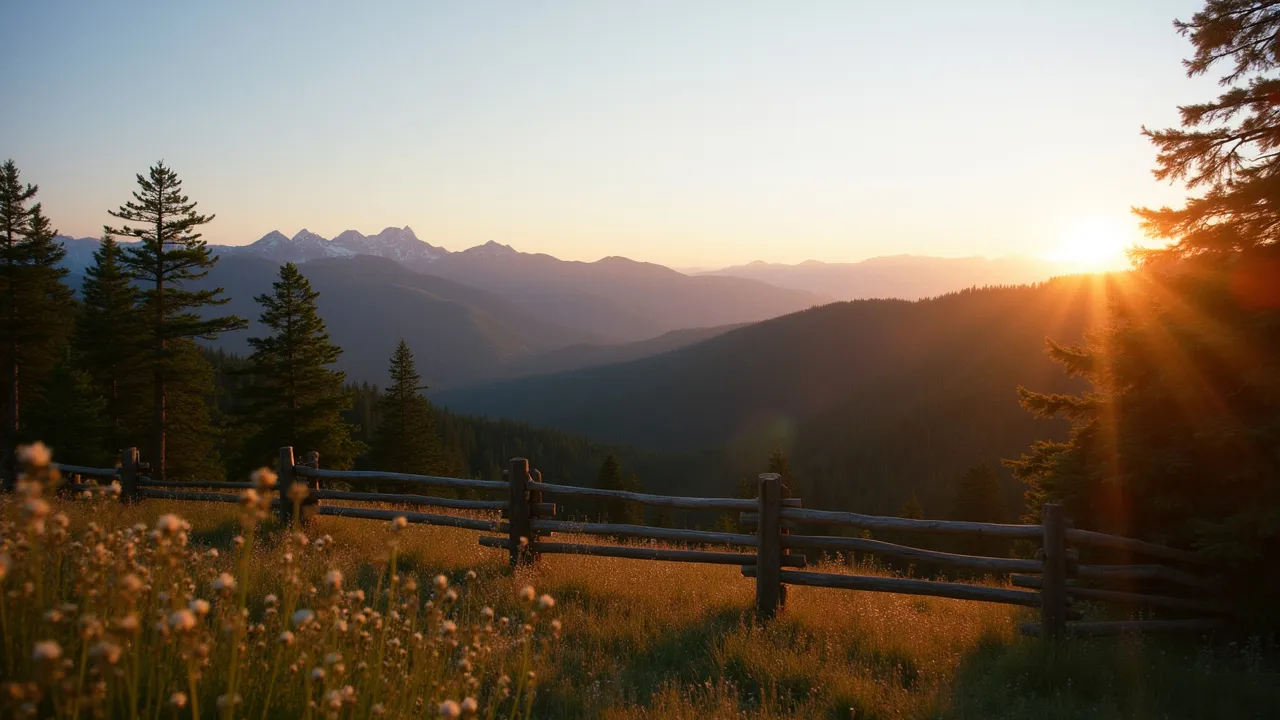
National Montana Day, observed on May 3rd, celebrates the rich history, rugged landscapes, and cultural heritage of the Treasure State. From its Native American roots to modern outdoor adventures, this day honors all things Montana.
The Historical Origins & Evolutionary Journey
National Montana Day, observed annually on May 3rd, is a day dedicated to celebrating the state of Montana, its history, and its unique contributions to the United States. While the exact origins of this observance are relatively recent, the day serves as a focal point for Montanans and enthusiasts worldwide to honor the Treasure State.
The Foundational Catalyst
The concept of state-specific days on the National Day Calendar emerged in the early 21st century as a way to promote cultural awareness and tourism. Montana, known for its vast plains, towering mountains, and rich Native American heritage, was assigned May 3rd. This date was chosen to coincide with the arrival of spring, when the state's natural beauty is particularly striking, and to avoid conflicts with other major holidays.
The Legislative/Official Adoption
National Montana Day is not a federal or state holiday but is recognized by the National Day Calendar, a private organization. However, many Montana state agencies, tourism boards, and local communities have embraced the day. In 2017, the Governor of Montana issued a proclamation encouraging residents to participate in celebrations, highlighting the state's history of mining, ranching, and conservation.
Modern Global Legacy
Today, National Montana Day is celebrated by Montanans at home and abroad, as well as by anyone who appreciates the state's contributions to American culture, such as the Rocky Mountains, Yellowstone National Park, and the iconic bison. The day has grown to include social media campaigns, special events at museums, and promotions by Montana-based businesses.
How to Celebrate National Montana Day
National Montana Day offers a wide range of activities for individuals, families, schools, and organizations to honor the Treasure State. Below is a definitive guide to celebrating, whether you are in Montana or afar.
For Individuals and Families
- Explore outdoor activities: Hike or bike on scenic trails, go fishing in one of Montana's many rivers, or simply enjoy a picnic in a state park.
- Cook Montana-style cuisine: Prepare dishes featuring local ingredients like bison, huckleberries, and flathead cherries. Try a bison burger or huckleberry pie.
- Read about Montana history: Pick up books by Montana authors or about the Lewis and Clark expedition, which passed through the state.
For Schools and Educational Groups
- Organize a presentation on Montana's state symbols, such as the state flower (bitterroot), state animal (grizzly bear), and state bird (western meadowlark).
- Host a virtual field trip to Montana's national parks, including Glacier National Park and Yellowstone.
- Encourage students to write essays about what Montana means to them or about notable Montanans like Jeannette Rankin (first woman in Congress) or artist C. M. Russell.
For Organizations and Businesses
- Montana-based businesses: Offer special discounts or promotions for customers wearing Montana-themed apparel.
- Tourism boards: Launch social media campaigns using #NationalMontanaDay to showcase scenic photos and travel tips.
- Nonprofits: Organize volunteer clean-up events in state parks or donate to conservation efforts like the Montana Wildlife Federation.
In other countries, celebration may focus on Montana's cultural exports, such as the television series Yellowstone or the state's famous fly-fishing destinations. Virtual meetups and online cooking classes are popular ways to participate globally.
Geography and Natural Wonders
Montana's geography is incredibly diverse, earning it the nickname "Land of the Shining Mountains." The state spans over 147,000 square miles, making it the fourth-largest in the U.S. Its landscape ranges from the towering peaks of the Rocky Mountains in the west to the vast Great Plains in the east.
Major Geographic Features
- Rocky Mountains: Home to Glacier National Park, known as the "Crown of the Continent," with over 700 miles of trails.
- Great Plains: Expansive grasslands and farmland, particularly in the east, where wheat and cattle ranching dominate.
- River Systems: The Missouri River, which flows through central Montana, and the Yellowstone River, one of the longest undammed rivers in the contiguous U.S.
Montana has over 300,000 acres of state parks and numerous national forests, offering endless opportunities for outdoor recreation.
Economy and Industry Transformations
Montana's economy has undergone significant transformations over the centuries. Historically, mining for gold, silver, and copper drove the state's growth, with Butte known as the "Richest Hill on Earth."
Key Economic Sectors
- Agriculture: Montana leads the nation in production of pulse crops like lentils and dry peas, and is a top producer of wheat and barley.
- Energy: The state has vast coal reserves and is a leader in renewable energy, particularly wind power.
- Tourism: With millions of visitors annually, tourism is a major economic driver, centered on national parks, skiing, and hunting.
In recent decades, technology and healthcare sectors have grown, while traditional extractive industries face environmental and market pressures. National Montana Day celebrates the resilience of Montanans who adapt to these changes.
Cultural Heritage and Traditions
Montana's culture is a blend of Native American traditions, pioneer spirit, and modern Western lifestyle. The state is home to seven Indian reservations, each with distinct languages and customs.
Native American Influence
Montana's Native American tribes, including the Crow, Cheyenne, Blackfeet, and Salish, have shaped the state's identity. Their powwows, art, and storytelling are celebrated during events like the Crow Fair.
Western Heritage
Rodeos, cattle drives, and dude ranches keep the cowboy culture alive. The Montana Cowboy Hall of Fame honors figures who preserve this legacy. The state also has a vibrant arts scene, with galleries in towns like Whitefish and Bozeman.
Notable Montanans and Contributions
Montana has produced many influential individuals across various fields.
Political and Social Leaders
- Jeannette Rankin: First woman elected to the U.S. Congress in 1916, a lifelong pacifist.
- Mike Mansfield: Longest-serving Senate Majority Leader, known for his work in foreign policy.
Artists and Writers
- C. M. Russell: Renowned cowboy artist whose paintings and sculptures capture the Old West.
- Ivan Doig: Author of celebrated novels set in the Montana landscape.
These and many others have contributed to the state's rich tapestry, making National Montana Day a time to reflect on their impact.
Historical Timeline
Lewis and Clark expedition enters Montana, exploring the Missouri River and encountering Native American tribes.
Montana Territory is established following the discovery of gold in Bannack and Virginia City.
Montana becomes the 41st state on November 8, with Helena as the capital.
Glacier National Park is established, preserving over 1 million acres of pristine wilderness.
Jeannette Rankin of Montana becomes the first woman elected to the United States Congress.
The Montana Environmental Policy Act is passed, reflecting the state's growing commitment to conservation.
National Montana Day is first observed on May 3rd as part of the National Day Calendar.