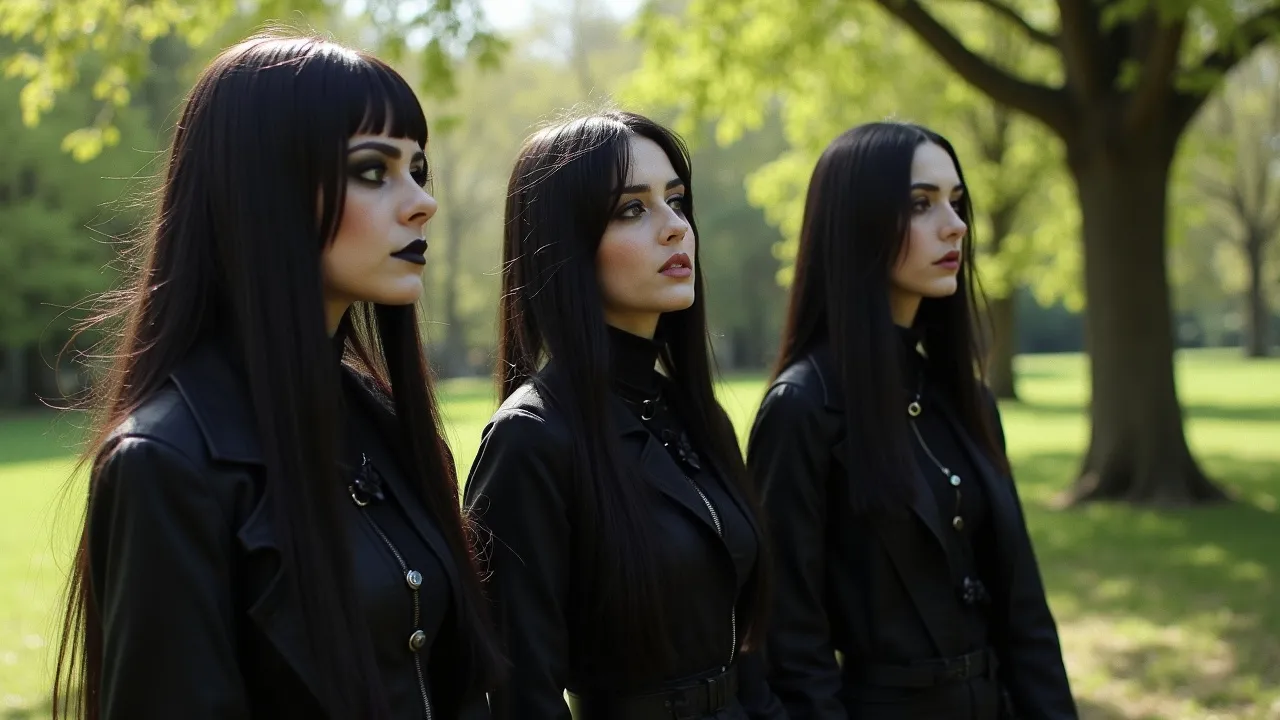
World Goth Day is celebrated every May 22nd, honoring gothic subculture and its music, fashion, and art. Founded in 2009 by DJs Cruel Britannia and Martin Oldgoth, the day encourages goths worldwide to embrace their identity and showcase the enduring influence of goth culture.
The Historical Origins & Evolutionary Journey
World Goth Day, observed annually on May 22nd, began as a grassroots initiative to celebrate and preserve the gothic subculture that emerged from the post-punk movement of the late 1970s. The day was conceived by two British DJs, Cruel Britannia and Martin Oldgoth, who sought to create a dedicated moment for the global goth community to unite, share their love for the music, fashion, and art, and challenge mainstream misconceptions.
The Foundational Catalyst
The idea first sparked in 2009 when Cruel Britannia and Martin Oldgoth—both veteran figures in the UK goth scene—recognized the fragmentation of goth gatherings and the lack of a unified global celebration. They launched a Facebook event and a simple website calling for a "World Goth Day" on May 22, 2009. The date was chosen arbitrarily, but soon became a fixed annual marker. The initial event encouraged participants to dress in goth attire, host parties, or simply go about their day celebrating their identity. Within a few years, the observance gained traction through social media, blogs, and goth-themed websites.
The Legislative/Official Adoption
While World Goth Day has no formal government recognition anywhere, it has been embraced by the goth community as an unofficial holiday. Notable goth DJs, club nights, and festivals worldwide now incorporate May 22nd into their programming. In 2014, the UK-based radio station Goth Rock Radio declared it an official annual broadcast theme day, and several European cities—including London, Berlin, and Paris—saw coordinated club events. The day has also been adopted by online retailers specializing in gothic fashion, offering special discounts and limited-edition collections.
Modern Global Legacy
Today, World Goth Day is celebrated across continents, from North America to Australia, and even in parts of Asia where goth culture has a smaller but enthusiastic following. The day serves as a powerful reminder of the subculture's resilience and its ongoing influence on music (from gothic rock to darkwave), fashion (Victorian-inspired attire, dark makeup, and accessories), and broader art movements. Social media campaigns using hashtags like #WorldGothDay and #GothDay generate thousands of posts annually, fostering a sense of belonging among often-marginalized individuals. The event also encourages introspection on the historical roots of goth, including its ties to Gothic literature, architectural aesthetics, and the Romantic era.
How to Celebrate World Goth Day
World Goth Day is not only a celebration of dark aesthetics but also a vibrant expression of creativity and community. Below are actionable ways to honor the day, whether you are a lifelong goth or a curious newcomer.
Individual Activities
- Dress the part: Wear your finest gothic attire—lace, leather, fishnets, boots, and dramatic makeup. Explore different sub-styles such as trad goth, cyber goth, or romantic goth.
- Curate a goth playlist: Spin classics from The Cure, Bauhaus, Siouxsie and the Banshees, Sisters of Mercy, and newer acts like She Past Away or Lebanon Hanover.
- Read gothic literature: Dive into works by Edgar Allan Poe, Mary Shelley, or Bram Stoker, or contemporary gothic fiction.
- Create art: Draw, paint, or write something macabre. Share your creations on social media with #WorldGothDay.
Community and Group Celebrations
- Host or attend a goth night: Many clubs organize special World Goth Day events. Check local listings or start your own gathering.
- Organize a cemetery picnic: A classic goth activity—visit a historical cemetery for a respectful picnic among the headstones. Ensure you follow local rules and leave no trace.
- Stream a goth movie marathon: Watch films like The Crow, Edward Scissorhands, Nosferatu, or The Addams Family.
- Engage on social media: Join live streams, share photos, and connect with goth communities worldwide.
Celebrations Around the World
- United Kingdom: The birthplace of goth rock. Clubs like Slimelight in London host massive all-night events. Many goth radio stations broadcast special programs.
- Germany: Home to the annual Wave Gotik Treffen festival in Leipzig (often overlapping with World Goth Day). Participants gather for concerts, parades, and vampire balls.
- United States: Goth-friendly cities such as Los Angeles, New York, and San Francisco hold club nights and charity events. Some goth retailers offer exclusive merchandise.
- Australia: World Goth Day has strong following here; events include pub crawls in black attire, local band showcases, and art markets.
- Japan: Gothic Lolita fashion intersects with goth culture. Harajuku districts often see themed meets and photoshoots.
Global Impact and Cultural Significance
World Goth Day transcends mere celebration; it serves as a form of cultural preservation and identity affirmation for a subculture that has often been misunderstood or stigmatized. The day provides a platform for exploring themes of darkness, melancholy, and beauty, challenging mainstream norms that equate brightness with positivity. In an age of fast fashion and fleeting trends, goth culture's emphasis on individuality, history, and craftsmanship offers a counterpoint. The observance also fosters charitable activities: many goth communities organize fundraisers for mental health charities, animal shelters, or music education, leveraging the subculture's reputation for inclusivity and compassion.
Influence on Music and Art
The goth scene has produced enduring musical genres that continue to evolve—from darkwave and ethereal wave to industrial and gothic metal. Bands like Type O Negative, Lacuna Coil, and Nox Arcana have cross-genre appeal. In visual arts, goth aesthetics have influenced everything from high-fashion photography (e.g., Tim Burton's films) to independent comic books. World Goth Day amplifies these contributions by encouraging artists to release new work on or around May 22nd.
Educational Role
Schools and libraries occasionally use World Goth Day as a hook to discuss the Romantic poets, Gothic architecture, or the history of punk and post-punk. Some educators incorporate themed lessons on symbolism, macabre literature, or the psychology of subcultures, helping demystify goth for younger audiences.
Core Societal Themes Reflected in Goth Culture
Goth culture, as celebrated on World Goth Day, embodies several core societal themes that resonate beyond its aesthetic. These themes include: individuality (rejecting homogeneity), dark romanticism (finding beauty in sorrow), and community (creating safe spaces for outsiders). The subculture has long been a haven for those identifying as LGBTQ+ or neurodivergent, offering acceptance without judgment. The day also highlights the ongoing struggle against prejudice; goths often face discrimination for their appearance, and World Goth Day serves as a collective stance against such intolerance. Additionally, the focus on historical and literary references encourages intellectual curiosity—a value that enriches participants' lives beyond the event itself.
Industry Transformations: Fashion, Music, and Events
World Goth Day has spurred commercial and creative activity in several industries. In fashion, brands like Killstar, Punk Rave, and Demonia (footwear) launch special collections each May. Independent designers see a spike in custom orders for corsets, cloaks, and statement jewelry. The day has also boosted the visibility of vintage and second-hand clothing markets, as many goths prefer unique, pre-owned pieces over mass-produced fast fashion. In the music sector, streaming platforms curate dedicated goth playlists, and independent bands release singles timed to the date. Record labels specializing in dark music (e.g., Cleopatra Records, Metropolis) often offer discounts. The events industry sees a surge in club nights, goth-themed food tastings (like black-colored cocktails), and even goth wedding expos around May 22nd. Online influencers and YouTube channels focused on goth culture experience peak engagement, creating a virtuous cycle of content and commerce.
The Role of Women and Diversity in Goth History
World Goth Day also honors the often-underappreciated contributions of women and people of color to the goth scene. From the iconic music of Siouxsie Sioux and Patricia Morrison to modern artists like Chelsea Wolfe and Drab Majesty (dual male-female), women have been central to goth's sound and style. Pioneering figures like Rozz Williams (Christian Death) and Andrew Eldritch (Sisters of Mercy) are celebrated, but so are lesser-known activists who maintained goth scenes in non-Western countries. The day encourages a more inclusive narrative, recognizing that goth was never exclusively white or male. In Latin America, for instance, goth fused with local folk traditions, creating unique subgenres like "gótico tropical" in Brazil. In Africa, digital communities connect goths across national borders, using World Goth Day to showcase art and music that challenges stereotypes.
Common Misconceptions and Media Representation
Despite its popularity, World Goth Day is often misunderstood. The media frequently typecasts goths as morose or violent—a gross simplification. In reality, studies on goth subculture show participants are among the most open-minded and creative community members. The day works to counteract these myths by highlighting the intellectual and artistic merits of goth. For example, many goths are professionals in fields like academia, IT, and healthcare, who enjoy the aesthetic without any negative behavioral correlates. The day also addresses the conflation of goth with satanism or mental illness, emphasizing that goth culture is about exploring darkness through art, not in a literal or harmful way. Public events and online discussions on May 22nd often include educational panels to clarify such points.
Historical Timeline
World Goth Day is founded by DJs Cruel Britannia and Martin Oldgoth, who create a Facebook event and website encouraging goths to celebrate their culture on May 22nd.
First widespread international observance; goth communities in UK, US, Germany, and Australia organize club nights and online events.
Goth Rock Radio officially marks World Goth Day with a 24-hour broadcast of gothic music and interviews with scene veterans.
The observance gains mainstream media attention as news outlets publish features on goth culture, often focusing on fashion and music.
World Goth Day expands into Asia, with events in Japan and South Korea; major goth fashion brands release special collections.
Social media usage for the day peaks; over 100,000 posts use the hashtag #WorldGothDay on Instagram within 24 hours.
Due to COVID-19 pandemic, many celebrations go virtual: online concerts, Zoom parties, and TikTok challenges become prominent.
World Goth Day is recognized by several city councils in the UK and Germany as an official cultural celebration, though symbolic.
Continued growth; the day is now used as a launchpad for new goth-related merchandise, music releases, and charity fundraisers globally.