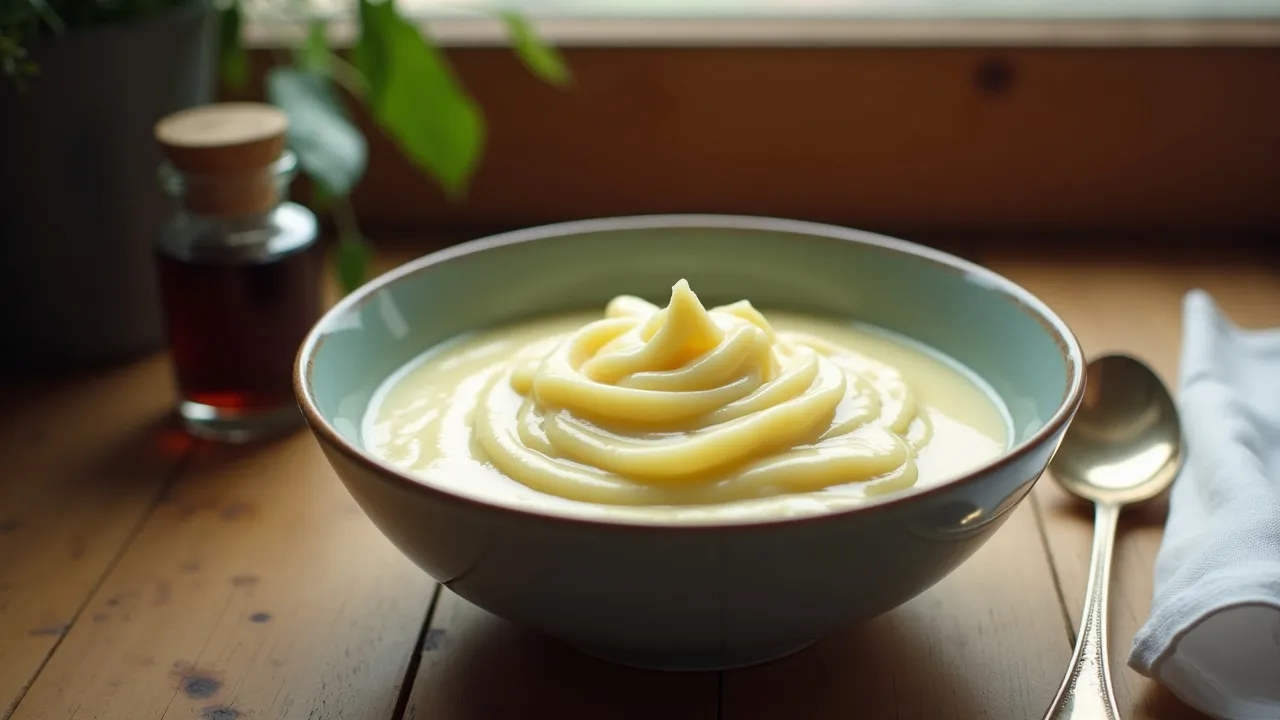
National Vanilla Pudding Day is celebrated annually on May 22nd, honoring the creamy, comforting dessert made from milk, sugar, and vanilla. It encourages homemade pudding creation and appreciation for this classic treat.
The Historical Origins & Evolutionary Journey
National Vanilla Pudding Day, observed annually on May 22nd, is a celebration of one of the most beloved desserts in American cuisine. While the exact origins of this specific observance remain unclear, it is widely recognized as a food holiday promoted by the National Day Calendar and embraced by home bakers and pudding enthusiasts nationwide. The day honors the simple yet satisfying combination of milk, sugar, vanilla, and a thickening agent like cornstarch or eggs.
The Foundational Catalyst
Vanilla pudding's roots trace back to the 19th century when pudding was a staple of British and American cooking. Early puddings were often savory or boiled in a cloth, but by the late 1800s, sweet gelatins and custards became popular. The invention of cornstarch pudding in the 1840s by Alfred Bird, a British chemist, revolutionized pudding making. Bird created a custard powder for his wife who was allergic to eggs, leading to the modern eggless pudding. Vanilla quickly became the favored flavor due to its aromatic and versatile profile.
The Legislative/Official Adoption
National Vanilla Pudding Day lacks a formal legislative origin but was established as a food holiday by the National Day Calendar in the early 2000s. It gained traction through social media and community events, often promoted by vanilla growers and pudding manufacturers. The day encourages from-scratch pudding making, using real vanilla extract or vanilla beans.
Modern Global Legacy
Today, vanilla pudding is enjoyed worldwide, with variations like French crème pâtissière, Latin American flan, and Asian rice pudding. National Vanilla Pudding Day serves as a reminder of the comfort and nostalgia associated with this dessert, often linked to childhood memories and family gatherings.
How to Celebrate National Vanilla Pudding Day
Whether you are a seasoned chef or a novice in the kitchen, there are countless ways to celebrate National Vanilla Pudding Day. Here is a definitive guide to making the most of May 22nd.
For Individuals and Families
- Make Homemade Vanilla Pudding: Use a classic recipe with milk, sugar, cornstarch, egg yolks, and real vanilla extract. Experiment with vanilla bean seeds for an intense flavor.
- Host a Pudding Party: Invite friends and family to sample different pudding styles, from classic to vegan or gluten-free options.
- Vanilla Pudding Tasting: Compare store-bought brands against homemade versions. Note the differences in texture and vanilla intensity.
For Schools and Organizations
- Classroom Pudding Science: Teach kids about emulsification and thickening agents while making pudding. Discuss the history of vanilla as a flavor.
- Pudding Cook-Off: Organize a friendly competition among staff or students. Categories can include most creative topping or best overall taste.
- Community Pudding Drive: Donate pudding cups to local food banks or shelters to share the comfort.
Global Celebration Ideas
- United States: Enjoy with a dollop of whipped cream and a cherry.
- France: Serve crème pâtissière as a filling for éclairs or fruit tarts.
- Philippines: Try maja blanca, a coconut milk and cornstarch pudding with vanilla.
- United Kingdom: Pair with sponge cake for a classic trifle.
The Cultural Significance of Vanilla Pudding
Vanilla pudding holds a special place in the culinary landscape as a symbol of comfort, nostalgia, and simplicity. Unlike more elaborate desserts, vanilla pudding requires minimal ingredients and effort, making it accessible to all.
Comfort Food Status
Psychologically, vanilla pudding is often associated with childhood and caregiving. Its creamy texture and sweet, mild flavor evoke feelings of warmth and security. For many, a bowl of vanilla pudding is the ultimate comfort food, especially during illness or stress.
Cultural Variations
Different cultures have adapted vanilla pudding to local tastes. In Latin America, dulce de leche-flavored pudding is common, while in Japan, pudding (purin) is a flan-like custard often topped with caramel. These variations highlight the versatility of vanilla as a base flavor.
Role in Modern Gastronomy
Vanilla pudding has also found its way into molecular gastronomy, where chefs use it as a base for foams, gels, and deconstructed desserts. Its neutral profile allows it to be paired with bold flavors like espresso, chocolate, or fruit.
Health and Nutritional Perspectives
While vanilla pudding is often seen as an indulgence, it can be part of a balanced diet when made with wholesome ingredients. Here we explore its nutritional aspects.
Nutritional Profile
- Calcium: Milk-based pudding provides calcium for bone health.
- Protein: Eggs and milk contribute protein, essential for muscle repair.
- Sugar: Traditional recipes contain added sugar; moderation is key.
Healthier Alternatives
- Low-Sugar: Use stevia or monk fruit sweetener.
- Dairy-Free: Substitute almond, oat, or coconut milk.
- Egg-Free: Use cornstarch or arrowroot as thickeners.
- Vegan: Combine plant-based milk with agar-agar or tapioca starch.
Vanilla's Health Benefits
Real vanilla extract contains vanillin, which has antioxidant properties. Some studies suggest vanilla may have anti-inflammatory and calming effects, though more research is needed.
Global Variations and Regional Twists
Vanilla pudding, in its many forms, is enjoyed across the globe. Here are some notable regional interpretations that showcase the dessert's adaptability.
North America
In the US and Canada, instant pudding mixes are popular, but homemade versions reign on special occasions. Toppings like whipped cream, fresh fruit, or crushed cookies are common.
Europe
- France: Crème pâtissière is a thick pastry cream used in éclairs and Napoleons.
- Italy: Budino di vaniglia is a creamy pudding often served with caramel sauce.
- United Kingdom: Vanilla pudding is a key component of a proper English trifle.
Asia
- Japan: Purin is a silky custard pudding with caramel topping.
- Philippines: Maja blanca is a coconut-based pudding, often flavored with vanilla.
- India: Phirni is a rice pudding flavored with cardamom and often vanilla.
The Economic Impact of Vanilla and the Pudding Industry
Vanilla is one of the most expensive spices in the world, and its production plays a significant economic role in several countries. Understanding the economics of vanilla helps appreciate the value of vanilla pudding.
Vanilla Production
Madagascar produces about 80% of the world's vanilla, followed by Indonesia and Uganda. The labor-intensive process of hand-pollinating vanilla orchids and curing the beans contributes to high costs. Price fluctuations affect the entire supply chain.
Pudding Market
The packaged pudding market is valued in billions of dollars globally, with major brands like Jell-O (Kraft) and Kozy Shack leading. Homemade pudding also drives sales of vanilla extract and cornstarch.
Sustainability Concerns
Due to vanilla's high price, synthetic vanillin (made from wood pulp or petrochemicals) is often used in mass-produced pudding. However, there is a growing consumer demand for real vanilla, supporting ethical farming practices.
Historical Timeline
Alfred Bird invents cornstarch-based custard powder, a precursor to modern vanilla pudding, allowing eggless pudding making.
Vanilla pudding recipes appear in American cookbooks, often using milk, sugar, and vanilla extract.
Instant pudding mix is developed by companies like Jell-O, making pudding preparation quick and easy.
Vanilla pudding becomes a common dessert in school cafeterias and family dinners across the United States.
National Vanilla Pudding Day is established by the National Day Calendar, celebrated annually on May 22nd.
Artisan vanilla pudding gains popularity, with chefs emphasizing high-quality vanilla beans and organic ingredients.