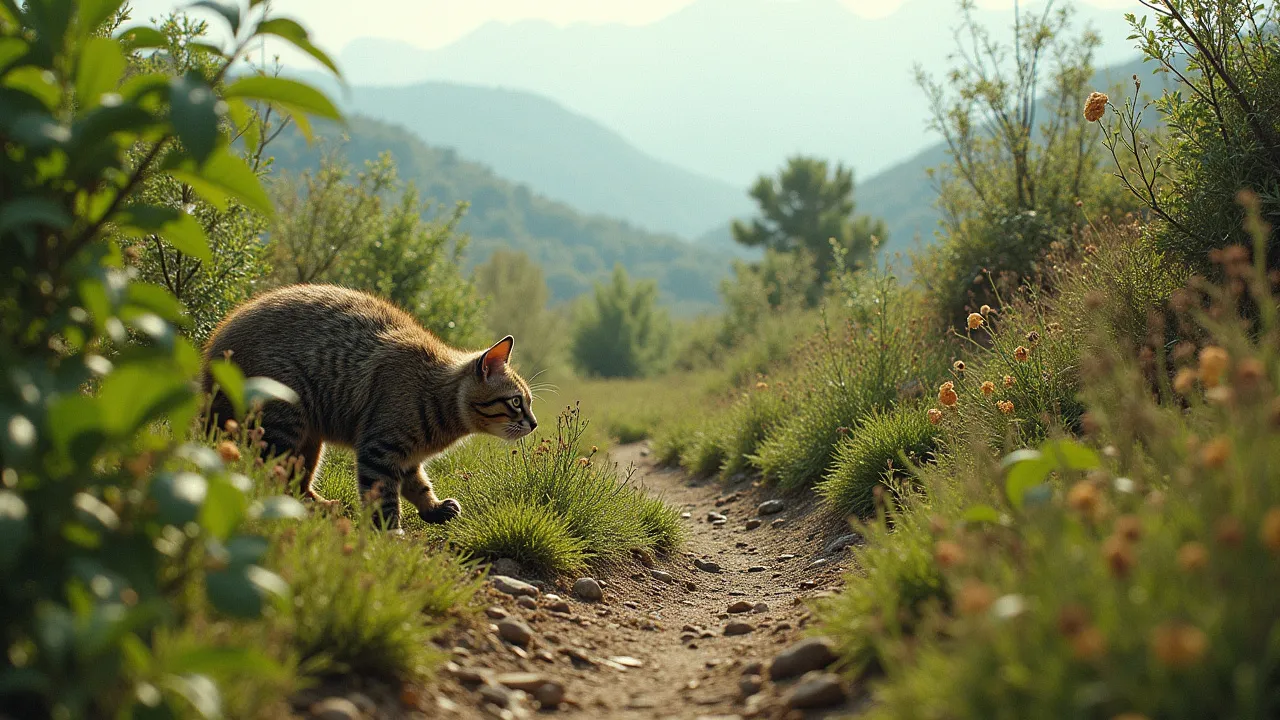
Observed on May 22nd, the International Day for Biological Diversity raises awareness about the importance of biodiversity and promotes conservation efforts globally.
The Historical Origins & Evolutionary Journey
The International Day for Biological Diversity (IDB) is a United Nations-sanctioned international day for the promotion of biodiversity issues. It was created to increase understanding and awareness of biodiversity issues. The day was initially celebrated on December 29th, but was later moved to May 22nd to coincide with the adoption of the Convention on Biological Diversity (CBD) in 1992.
The Foundational Catalyst
The roots of IDB lie in the growing recognition of the rapid loss of biodiversity worldwide. The 1992 Earth Summit in Rio de Janeiro marked a pivotal moment, where world leaders adopted the CBD, a comprehensive international treaty aimed at conserving biological diversity, using its components sustainably, and sharing the benefits arising from genetic resources fairly and equitably. The CBD entered into force on December 29, 1993, which is why the UN initially chose that date for the observance.
The Legislative/Official Adoption
In 2000, the United Nations General Assembly officially proclaimed May 22nd as the International Day for Biological Diversity. This shift was made to avoid the overlap with other holidays and to highlight the significance of the CBD's adoption. The resolution (A/RES/55/201) invited all member states and relevant organizations to observe the day with appropriate activities.
Modern Global Legacy
Since then, IDB has grown into a global movement. Each year, the UN sets a theme to focus attention on a particular aspect of biodiversity. Recent themes have included "Our Biodiversity, Our Food, Our Health" and "We're Part of the Solution". The day serves as a platform for governments, NGOs, civil society, and individuals to engage in actions to protect biodiversity.
How to Celebrate International Day for Biological Diversity
Celebrating IDB involves a wide range of activities that promote understanding and action for biodiversity. Here is a definitive guide to participation:
For Individuals
- Educate yourself about local species and ecosystems by visiting nature reserves or joining guided walks.
- Reduce your ecological footprint by adopting sustainable practices such as reducing waste, conserving water, and choosing eco-friendly products.
- Plant native species in your garden to support local pollinators and wildlife.
- Attend virtual or in-person events, webinars, and workshops organized by environmental groups.
For Schools
- Organize biodiversity-themed lessons and projects that explore local flora and fauna.
- Host a schoolyard bio-blitz where students document species found on campus.
- Launch a recycling or composting program to teach sustainability.
For Organizations
- Implement green policies such as reducing energy consumption and sustainable sourcing.
- Partner with local conservation groups to sponsor habitat restoration projects.
- Encourage employee volunteering for clean-up drives or tree planting events.
Regional Celebrations
Different countries have unique traditions. For example, in Brazil, many NGOs organize educational fairs and ecological walks in the Amazon. In India, schools hold debates and art competitions on biodiversity. In Kenya, community-led tree planting and wildlife monitoring events are common.
The Importance of Biodiversity
Biodiversity, or biological diversity, refers to the variety of life on Earth at all levels, from genes to ecosystems. It is essential for the functioning of the planet's systems. Key benefits include:
- Ecosystem Services: Clean air, water pollination of crops, and climate regulation.
- Food Security: Diverse genetic resources underpin agriculture and fisheries.
- Medicinal Resources: Many pharmaceuticals are derived from natural compounds.
- Cultural Value: Biodiversity enriches cultures, traditions, and spiritual practices.
The loss of biodiversity threatens these services. According to the IPBES Global Assessment Report (2019), around 1 million species are at risk of extinction. The IDB highlights these stakes and calls for action.
Global Impact and Threats
Biodiversity is declining at an unprecedented rate due to human activities. The five major direct drivers are:
- Habitat Loss and Degradation: Deforestation, urban sprawl, and agriculture.
- Overexploitation: Overfishing, hunting, and illegal wildlife trade.
- Climate Change: Alters habitats and forces species migration.
- Pollution: Chemicals and plastics poison ecosystems.
- Invasive Species: Outcompete native species.
The COVID-19 pandemic highlighted the link between biodiversity loss and emerging diseases. IDB serves as a reminder that human health is intertwined with ecosystem health. Global cooperation is crucial.
International Cooperation and Conventions
The Convention on Biological Diversity (CBD) is the cornerstone of international efforts. Its three main goals are conservation, sustainable use, and equitable benefit-sharing. The CBD's Strategic Plan for Biodiversity 2011-2020 included the Aichi Biodiversity Targets. Though many targets were not fully met, the framework spurred national actions.
In 2021, the UN Decade on Ecosystem Restoration (2021-2030) was launched. The post-2020 global biodiversity framework (the Kunming-Montreal Global Biodiversity Framework) adopted in 2022 sets new targets for 2030 and 2050. IDB is a key moment to review progress and rally support.
Actions for Individuals and Organizations
Beyond the day itself, sustained actions are needed. Here are actionable steps:
Personal Actions
- Adopt a plant-based diet more often.
- Support conservation organizations financially or through volunteering.
- Avoid products that harm biodiversity, like palm oil from unsustainable sources.
- Use public transport or cycle to reduce carbon emissions.
Corporate Responsibility
- Integrate biodiversity into business strategies and supply chains.
- Report on biodiversity impacts using frameworks like TNFD.
- Invest in nature-based solutions and green infrastructure.
Every action counts. The IDB theme "From Agreement to Action: Build Back Biodiversity" (2023) underscores the urgency.
Historical Timeline
The Convention on Biological Diversity (CBD) is opened for signature at the Earth Summit in Rio de Janeiro, Brazil.
The CBD enters into force on December 29th, which initially became the date for the International Day for Biological Diversity.
The United Nations General Assembly officially designates May 22nd as the International Day for Biological Diversity.
The International Year of Biodiversity is proclaimed, with a year-long campaign to raise awareness.
The UN Sustainable Development Goals (SDGs) include targets for biodiversity (Goal 14 and 15).
The UN Decade on Ecosystem Restoration begins, emphasizing the restoration of degraded ecosystems.
The Kunming-Montreal Global Biodiversity Framework is adopted, setting ambitious new targets.