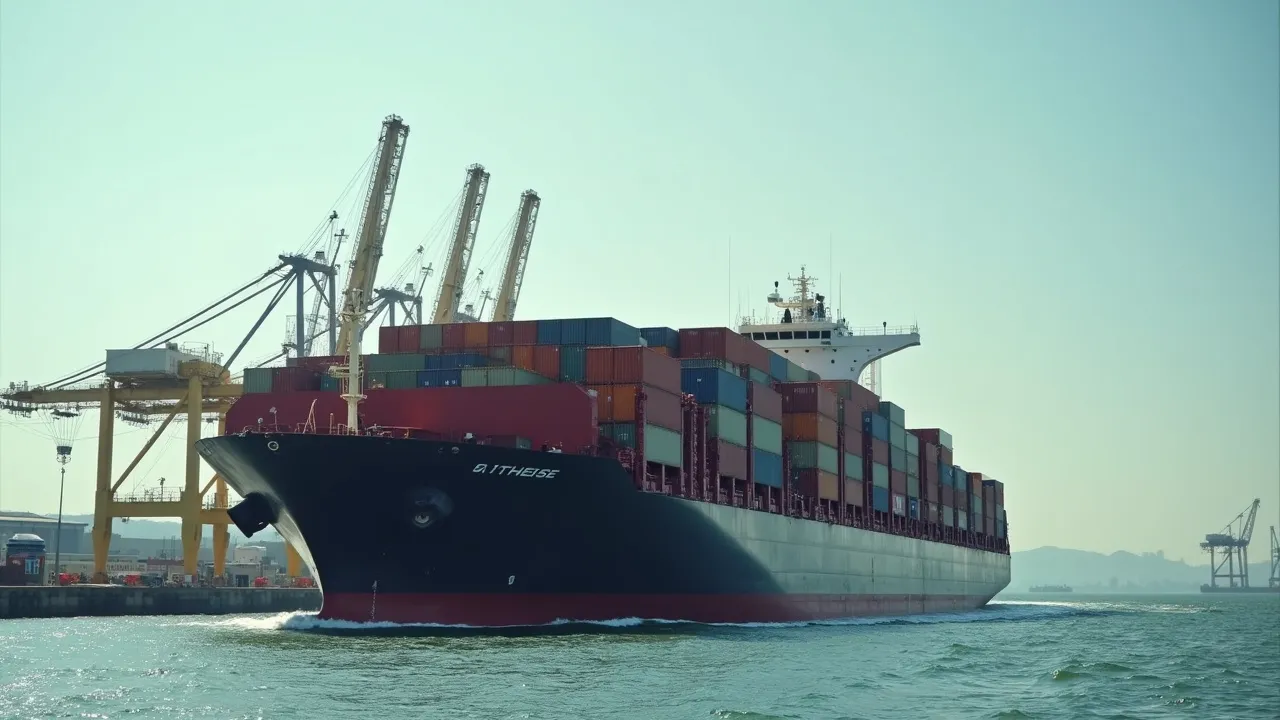
Celebrated on May 22nd in the United States, National Maritime Day honors the maritime industry and the first transatlantic steamship voyage. It recognizes the economic and historical significance of seafaring, with events across the country.
The Historical Origins & Evolutionary Journey
National Maritime Day in the United States traces its roots to the epic voyage of the SS Savannah, the first steamship to cross the Atlantic Ocean. On May 22, 1819, the SS Savannah departed from Savannah, Georgia, and arrived in Liverpool, England, 29 days later, revolutionizing maritime travel. This event laid the foundation for the modern shipping industry and international trade.
The Foundational Catalyst
The early 20th century saw a growing recognition of the maritime sector's vital role in national defense and commerce. In 1933, the U.S. Congress passed a joint resolution (48 Stat. 73) designating May 22 as National Maritime Day. President Franklin D. Roosevelt issued the first proclamation, urging Americans to honor the day with appropriate ceremonies. The observance was inspired by the American Bureau of Shipping and maritime advocacy groups who wanted to highlight the importance of a strong merchant marine.
The Legislative Adoption
The resolution stated that the day should be observed by displaying the flag on ships, public buildings, and homes. Over the decades, the U.S. Maritime Administration (MARAD) and the Navy have organized events, including ship tours, award ceremonies, and educational programs. The day also serves as a reminder of the sacrifices of merchant mariners during wartime, especially in World War II when they were critical to supply lines.
Modern Global Legacy
While the U.S. celebrates on May 22, the United Nations observes World Maritime Day on the last Thursday of September, focusing on maritime safety and environmental protection. Other nations have their own maritime days, such as India (April 5) and the United Kingdom (September). However, the U.S. National Maritime Day remains a unique blend of historical commemoration and modern industry promotion.
How to Celebrate National Maritime Day
National Maritime Day offers numerous ways to honor the maritime heritage and the people who work at sea. Whether you are an individual, a school, or a corporation, here are actionable celebration strategies:
For Individuals
- Visit a Maritime Museum: Explore exhibits on shipbuilding, navigation, and naval history. Many museums offer free admission on this day.
- Attend a Port Tour: Check with local ports or the U.S. Coast Guard for public tours of ships and facilities.
- Fly the U.S. Flag: Display the flag at home or work as a sign of respect for the maritime industry.
- Read Maritime Literature: Dive into books like The Sea Around Us by Rachel Carson or Two Years Before the Mast by Richard Henry Dana.
For Schools and Educators
- Organize a Model Ship Building Workshop: Teach students about naval architecture and engineering.
- Host a Guest Speaker: Invite a merchant mariner or a port authority official to discuss career opportunities.
- Create a Maritime Art Contest: Encourage students to draw or paint scenes of ships, lighthouses, or ocean life.
For Organizations and Corporations
- Launch a Charity Drive: Collect supplies for seafarers or support organizations like the Seamen's Church Institute.
- Recognize Employees: Give awards to staff who have contributed to maritime safety or innovation.
- Social Media Campaign: Use hashtags like #NationalMaritimeDay to share historical facts and thank mariners.
Regional Variations
In countries like India, National Maritime Day is celebrated on April 5 to commemorate the 1919 voyage of the SS Loyalty. In the United Kingdom, Merchant Navy Day is on September 3. The Philippines observes it on September 29. Each nation has its own traditions, but the common thread is a deep respect for those who work at sea.
Global Impact of the Maritime Industry
The maritime industry is the backbone of global trade, transporting over 90% of the world's goods. National Maritime Day serves as a platform to highlight this sector's economic and strategic importance.
Economic Significance
According to the United Nations Conference on Trade and Development (UNCTAD), the shipping industry handles more than 11 billion tons of cargo annually. The U.S. maritime industry alone contributes over $500 billion to the GDP and supports millions of jobs. Ports like Los Angeles, Rotterdam, and Shanghai are bustling hubs that drive local economies.
Environmental Stewardship
The day also raises awareness about marine pollution and sustainability. Initiatives such as the International Maritime Organization's (IMO) MARPOL convention aim to reduce emissions and prevent oil spills. New technologies like LNG-powered ships and wind-assisted propulsion are being adopted to create a greener fleet.
Humanitarian Role
During crises, the merchant marine provides essential relief. For example, after the 2010 Haiti earthquake, ships delivered food, water, and medical supplies. During the COVID-19 pandemic, cargo ships ensured the global supply chain remained intact.
Key Themes and Symbols of the Day
Several themes and symbols are central to National Maritime Day:
- The Maritime Flag: The U.S. Merchant Marine flag, with its blue anchor and white letters, is often flown.
- The Anchor: A universal symbol of hope and stability, representing the seafarer's life.
- Lighthouses: They signify guidance and safety, a metaphor for the maritime industry's navigational role.
- Sea Shanties: Traditional work songs of sailors are performed at events, keeping cultural heritage alive.
Educational Outreach
Many maritime academies and museums host open houses. The U.S. Naval Academy and the U.S. Coast Guard Academy often participate, offering cadet-led tours and demonstrations.
Notable Figures and Innovations in Maritime History
National Maritime Day also honors the pioneers who shaped the industry.
Historical Figures
- John Fitch: Early steamboat inventor whose work paved the way for the SS Savannah.
- Robert Fulton: Credited with developing the first commercially successful steamboat, the Clermont.
- Captain Robert Halpin: Master of the SS Great Eastern, who laid the first successful transatlantic telegraph cable.
- Admiral Hyman G. Rickover: Father of the nuclear navy, which revolutionized submarine propulsion.
Technological Milestones
- Containerships: Introduced in the 1950s by Malcolm McLean, they transformed global trade by standardizing cargo handling.
- GPS Navigation: Replaced celestial navigation, enhancing accuracy and safety.
- Autonomous Ships: The future of shipping, with companies like Rolls-Royce testing unmanned vessels.
Legal Framework and Maritime Safety
National Maritime Day underscores the importance of legal protections for seafarers and the environment.
Major Conventions
- SOLAS (Safety of Life at Sea): Sets minimum safety standards for ships.
- STCW (Standards of Training, Certification, and Watchkeeping): Ensures crew competence.
- MLC (Maritime Labour Convention): Guarantees decent working and living conditions for seafarers.
U.S. Specific Legislation
The Jones Act (Merchant Marine Act of 1920) requires goods shipped between U.S. ports to be carried on American-built, owned, and crewed vessels. This law is a recurring topic of debate on National Maritime Day, often highlighted by industry advocates.
Historical Timeline
The SS Savannah departs from Savannah, Georgia, on May 22, becoming the first steamship to cross the Atlantic Ocean, arriving in Liverpool after 29 days.
The U.S. Congress passes a joint resolution designating May 22 as National Maritime Day, signed into law by President Franklin D. Roosevelt.
President Roosevelt issues the first official proclamation for National Maritime Day, calling for flag displays and ceremonies.
During World War II, the U.S. Merchant Marine plays a critical role in transporting troops and supplies, with many mariners losing their lives. National Maritime Day becomes a day of remembrance.
The U.S. Maritime Administration (MARAD) is established, taking a lead role in organizing National Maritime Day events.
The first National Maritime Day parade is held in New York City, featuring historic ships and maritime industry floats.
Hurricane Katrina relief efforts highlight the merchant marine's ability to deliver emergency supplies by sea, reinforcing the day's importance.
The 200th anniversary of the SS Savannah's voyage is celebrated with special events in Savannah, Georgia, including a reenactment and maritime festival.
National Maritime Day focuses on the theme 'Sustainable Shipping for a Green Future,' promoting emission reduction in the maritime sector.