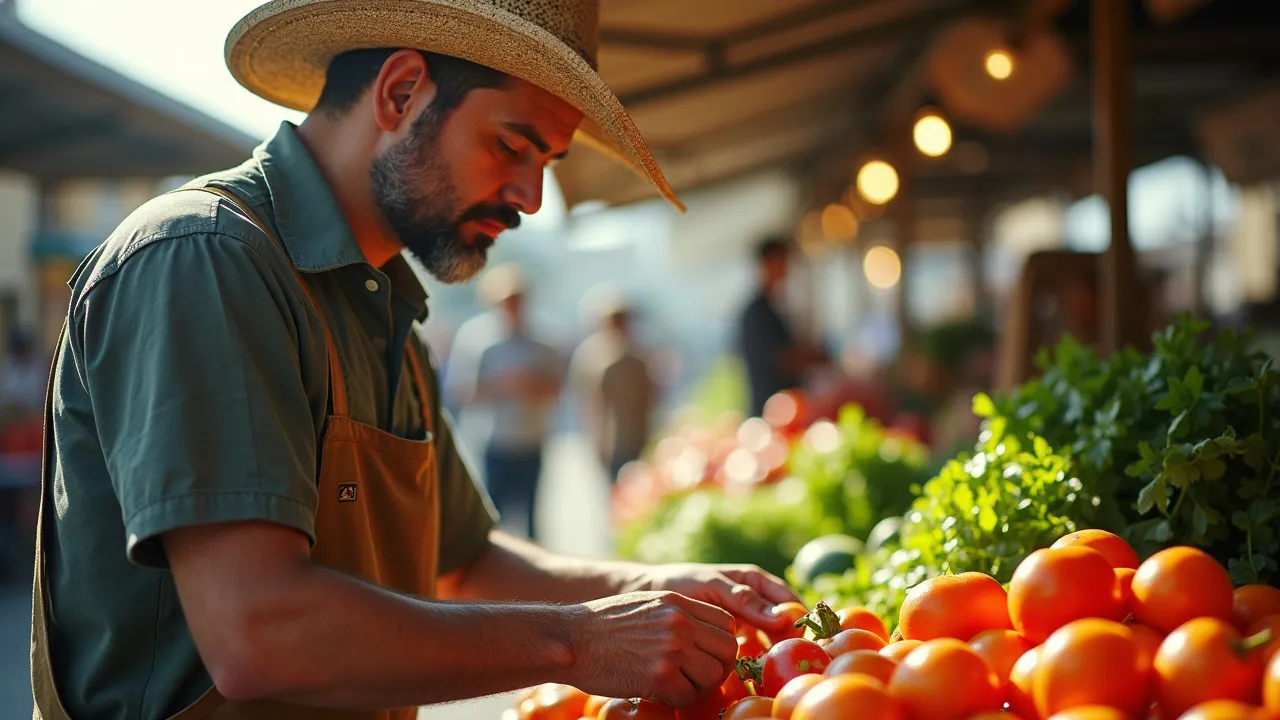
World Food Safety Day, observed annually on June 7th, aims to draw attention and inspire action to help prevent, detect, and manage foodborne risks, contributing to food security, human health, economic prosperity, agriculture, market access, tourism, and sustainable development.
The Historical Origins & Evolutionary Journey
World Food Safety Day (WFSD) was established by the United Nations General Assembly in December 2018, following a proposal from the Codex Alimentarius Commission, the international food standards body. The first observance took place on June 7, 2019, under the theme "Food Safety, Everyone's Business." The day was created to highlight the critical importance of food safety and to mobilize action to prevent, detect, and manage foodborne risks.
The Foundational Catalyst
The push for a dedicated food safety day gained momentum in the early 2010s as global food supply chains expanded and foodborne illnesses became a growing public health concern. According to the World Health Organization (WHO), an estimated 600 million people—almost 1 in 10 worldwide—fall ill after consuming contaminated food each year, resulting in 420,000 deaths. The economic burden of unsafe food is immense, particularly in low- and middle-income countries. Civil society groups, industry associations, and international bodies like the FAO and WHO recognized the need for a coordinated global awareness campaign.
The Legislative/Official Adoption
In August 2018, the Codex Alimentarius Commission formally requested the UN to proclaim June 7 as World Food Safety Day. The UN General Assembly adopted resolution A/RES/73/250 on December 20, 2018, with the endorsement of 120 member states. The resolution invited all stakeholders—governments, private sector, civil society, and individuals—to observe the day with appropriate activities. The first celebration in 2019 saw over 130 countries participating through seminars, media campaigns, and training programs.
Modern Global Legacy
Since its inception, WFSD has grown into a cornerstone of global public health advocacy. Each year, a specific theme highlights different dimensions of food safety: 2020 focused on "Food Safety in the Time of COVID-19," 2021 on "Safe Food Now for a Healthy Tomorrow," 2022 on "Safer Food, Better Health," and 2023 on "Food Standards Save Lives." The day has catalyzed legislative reforms, such as the strengthening of national food control systems and the adoption of risk-based inspection protocols. It also supports the United Nations Sustainable Development Goals (SDGs), particularly SDG 2 (Zero Hunger), SDG 3 (Good Health and Well-being), and SDG 12 (Responsible Consumption and Production).
How to Celebrate World Food Safety Day
World Food Safety Day is a time for individuals, communities, and organizations to take concrete steps to improve food safety. Here are actionable strategies tailored for different groups, with regional variations highlighted.
For Individuals and Families
- Practice the Five Keys to Safer Food: Keep clean; separate raw and cooked; cook thoroughly; keep food at safe temperatures; use safe water and raw materials.
- Educate yourself: Attend local workshops or webinars on food hygiene and labeling.
- Support safe food businesses: Choose establishments with visible hygiene certifications.
For Schools and Educational Institutions
- Integrate food safety into curricula: Use the FAO's free learning materials.
- Organize hand-washing drills and poster competitions on foodborne hazards.
- Invite local health inspectors for interactive sessions.
For Organizations and Businesses
- Launch internal training on Hazard Analysis Critical Control Point (HACCP) principles.
- Conduct food safety audits and share results transparently.
- Run social media campaigns using the #WorldFoodSafetyDay hashtag.
Regional Variations
Different regions emphasize unique traditions: In Latin America, community markets often host cooking demonstrations highlighting traditional safe practices. In Sub-Saharan Africa, radio programs broadcast food safety tips in local languages. In Southeast Asia, street food vendors receive special training and certification campaigns. In Europe, focus often lies on traceability and allergen labeling. In North America, grocery stores offer free food safety pamphlets and conduct mock recalls.
Global Impact: Reducing Foodborne Disease
The global burden of foodborne diseases disproportionately affects children under five and people in low-income regions. World Food Safety Day has accelerated efforts to address this inequity. Since 2019, over 50 countries have updated their food safety legislation, and international trade protocols now include stricter safety clauses.
Economic and Social Consequences
Unsafe food costs developing economies an estimated $110 billion annually in lost productivity and healthcare expenses. By raising awareness, WFSD encourages investment in cold chains, laboratory infrastructure, and training. For example, the FAO and WHO's International Food Safety Authorities Network (INFOSAN) has expanded from 120 to 190 member countries since 2019.
Success Stories
- Kenya: After WFSD campaigns, the government launched a national food safety policy in 2021, reducing aflatoxin contamination in maize by 30%.
- India: The Food Safety and Standards Authority now organizes "Eat Right Melas" every June, reaching millions.
- European Union: The RASFF (Rapid Alert System for Food and Feed) reported a 20% increase in consumer notifications, showing higher public engagement.
Core Societal Themes and Messages
Each year, World Food Safety Day revolves around a central theme that encapsulates a core message. These themes are carefully crafted to address contemporary challenges and align with global priorities.
Food Safety as a Shared Responsibility
The 2019 theme "Food Safety, Everyone's Business" underscores that food safety is not solely the responsibility of governments or producers—everyone from farm to table plays a role. This message is reinforced through public service announcements and school programs.
Safe Food for a Healthy Tomorrow
The 2021 theme linked food safety to nutrition and long-term health. It emphasized that safe food is a prerequisite for achieving food security and reducing malnutrition. Campaigns targeted parents and caregivers with tips on infant food preparation.
Food Standards Save Lives
The 2023 theme highlighted the critical role of standards—such as those set by Codex Alimentarius—in protecting consumers and enabling fair trade. It prompted many countries to adopt voluntary Codex standards for street foods and organic products.
Digital Transformation in Food Safety
Emerging themes include leveraging technology for traceability, using blockchain for supply chain transparency, and deploying mobile apps for consumer reporting.
Industry Transformations and Innovations
World Food Safety Day has spurred significant changes in the food industry, from smallholder farms to multinational corporations. The focus on transparency and accountability has driven innovation in several areas.
Technological Advancements
- Blockchain: Companies like Walmart and Nestlé now use blockchain to trace produce from farm to store in seconds, reducing recall times.
- AI and Machine Learning: Predictive algorithms help identify contamination risks before they become outbreaks.
- Smart Packaging: Time-temperature indicators and QR codes for real-time product information are becoming standard.
Regulatory and Standardization Shifts
Many governments have updated their food safety laws to require mandatory third-party certifications for high-risk foods. The Global Food Safety Initiative (GFSI) now benchmarks over 30 certification schemes, and retailers increasingly demand GFSI recognition.
Impact on Smallholders
WFSD campaigns have led to capacity building for small-scale farmers. For example, the FAO's e-learning platform on good agricultural practices has seen a 300% increase in users since 2019, helping farmers meet international safety standards.
Future Directions and Ongoing Challenges
Despite progress, many challenges remain. Climate change is altering the distribution of foodborne pathogens, antimicrobial resistance is rising, and new technologies like lab-grown meat require novel safety frameworks. World Food Safety Day will continue to evolve to address these issues.
Climate Change and Food Safety
Warmer temperatures increase the risk of Salmonella and Vibrio infections. WFSD 2024 may emphasize adaptive strategies, such as improved cold storage and early warning systems.
One Health Approach
Integrating human, animal, and environmental health is critical. The FAO, WHO, and OIE (World Organisation for Animal Health) are promoting joint actions on zoonotic foodborne diseases.
Consumer Empowerment
Future themes will likely focus on digital tools that empower consumers to make safe choices, such as apps that report restaurant hygiene scores or verify product authenticity.
Call to Action
To truly achieve food safety for all, sustained investment in public health systems, international cooperation, and education is essential. World Food Safety Day serves as a yearly reminder that safe food is a fundamental human right.
Historical Timeline
The Codex Alimentarius Commission proposes establishing a World Food Safety Day to the United Nations.
The UN General Assembly adopts resolution A/RES/73/250, officially proclaiming June 7 as World Food Safety Day.
First World Food Safety Day celebrated globally under the theme 'Food Safety, Everyone's Business.' Over 130 countries participate.
Theme: 'Food Safety in the Time of COVID-19.' Emphasis on food hygiene and supply chain resilience during the pandemic.
Theme: 'Safe Food Now for a Healthy Tomorrow.' Focus on the link between food safety and sustainable nutrition.
Theme: 'Safer Food, Better Health.' Highlights the role of safe food in achieving universal health coverage.
Theme: 'Food Standards Save Lives.' Promotes the adoption of Codex Alimentarius standards and regulatory frameworks.
World Food Safety Day continues to grow with increasing government commitments and consumer engagement.