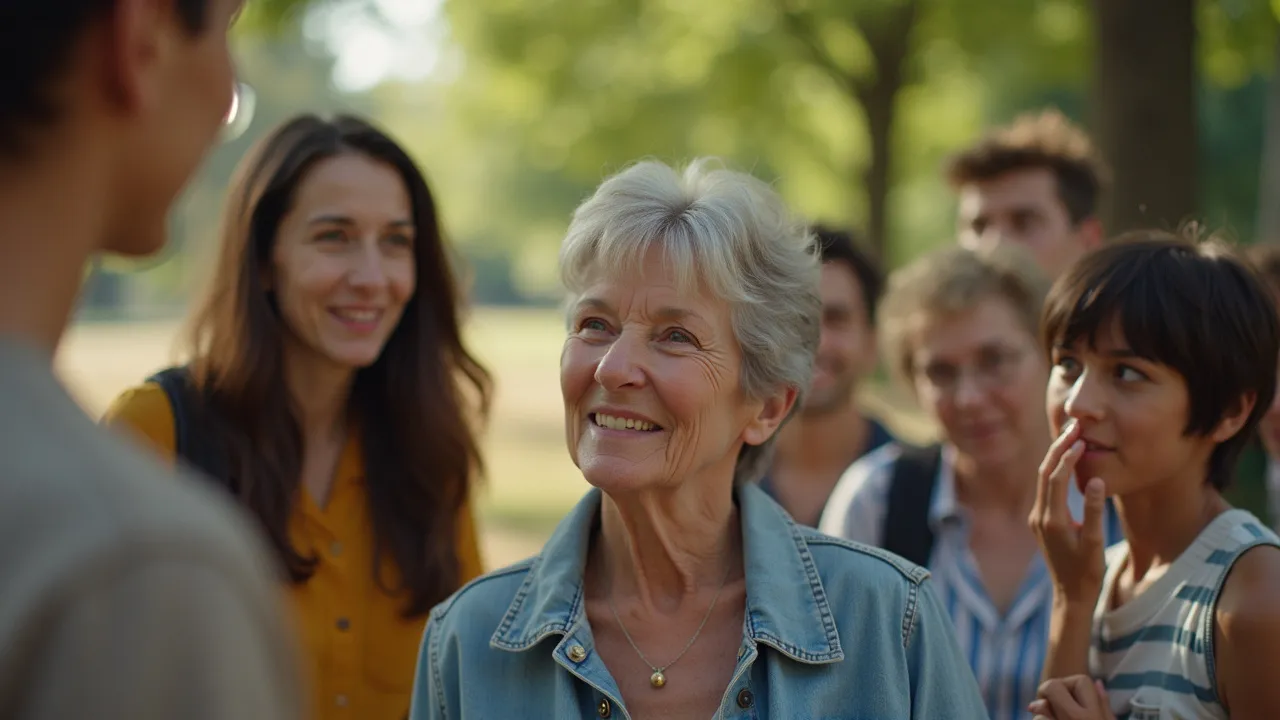
National Cancer Survivor Day, observed on the first Sunday in June, honors cancer survivors and highlights the journey from diagnosis to survivorship. It celebrates life and raises awareness of the ongoing challenges survivors face.
The Historical Origins & Evolutionary Journey
National Cancer Survivor Day (NCSD) is an annual observance that began as a grassroots effort to recognize the growing community of people living after a cancer diagnosis. Its roots trace back to the late 1980s, when the concept of "cancer survivorship" was still emerging. Prior to NCSD, the focus of cancer awareness was largely on prevention, detection, and treatment, with little attention to the long-term physical, emotional, and social challenges survivors face after treatment ends.
The Foundational Catalyst
The day was founded by Richard and Annette Bloch, both cancer survivors and philanthropists. Richard Bloch, co-founder of H&R Block, was diagnosed with terminal lung cancer in 1978 but defied the odds through aggressive treatment. With Annette, he established the R.A. Bloch Cancer Foundation to support other patients. In 1987, the couple envisioned a day to celebrate survivorship and inspire hope, leading to the first official National Cancer Survivors Day on June 5, 1988. The event featured a gathering at the Liberty Memorial in Kansas City, Missouri, with survivors, families, and medical professionals. The success sparked a national movement.
The Legislative/Official Adoption
While NCSD has no single federal proclamation, it gained official recognition through widespread community adoption. In the early 1990s, the National Cancer Survivors Day Foundation (now the National Cancer Survivor Day Foundation) was established to coordinate celebrations nationwide. Hospitals, cancer centers, and support groups embraced the day as a platform for survivor-focused events, educational seminars, and fundraising. The observance grew steadily, with participation from all 50 states and many countries. In 2000, the foundation launched a dedicated website to provide resources and event planning guides.
Modern Global Legacy
Today, NCSD is observed on the first Sunday in June in the United States and internationally. It has expanded beyond a single day to encompass month-long activities in some communities. The survivorship movement has gained momentum, with healthcare systems adopting survivorship care plans and late-effects clinics. NCSD continues to evolve, incorporating themes like mental health, financial toxicity, and quality of life. The Digital Age has enabled virtual events, webinars, and social media campaigns using hashtags like #NationalCancerSurvivorDay and #SurvivorStrong. Annual celebrations often include survivor marches, tree-planting ceremonies, and educational workshops. The legacy of the Blochs' vision persists as a powerful reminder that life after cancer is vibrant and worthy of celebration.
How to Celebrate National Cancer Survivor Day
Celebrating NCSD is a deeply personal and community-driven experience. Whether you are a survivor, a loved one, or an organization, there are countless ways to honor the resilience of those touched by cancer. Below is a comprehensive guide to making the day meaningful.
For Individuals and Families
- Host a Survivor Circle: Gather survivors in your home or local park to share stories, offer support, and celebrate milestones. Use a talking stick or open mic for storytelling.
- Create a Memory Wall: Set up a board where participants can pin photos, notes, or mementos representing their survivorship journey. Encourage messages of hope and gratitude.
- Light a Candle of Hope: At sunset, light candles in memory of those lost and in honor of survivors. This can be part of a larger event or an intimate family ritual.
- Donate to a Cancer Charity: Make a financial contribution or organize a small fundraiser. Even $5 can make a difference when pooled with others.
For Schools and Workplaces
- Host an Educational Assembly: Invite a survivor speaker or a healthcare professional to talk about survivorship issues. Focus on topics like late effects, mental health, and healthy lifestyles.
- Decorate with Purpose: Use purple and teal ribbons (colors representing cancer survivorship) to decorate hallways or break rooms. Include informational posters about screening and support resources.
- Lunch-and-Learn Sessions: Organize a lunchtime panel discussion with survivors, caregivers, and oncology experts. Provide healthy meals to promote wellness.
- Encourage Dress-Down Days: Allow employees to dress casually or wear cancer awareness attire for a small donation to a survivorship organization.
For Hospitals and Support Groups
Medical facilities often serve as hubs for NCSD activities. Plan a full day of events:
- Survivor Walks and Runs: Organize a 5K walk/run along a scenic route. Include a survivor lap where participants wear special sashes or capes.
- Resource Fairs: Set up booths for nutritionists, counselors, fitness trainers, and financial advisors who specialize in post-cancer care.
- Art Therapy Workshops: Provide materials for painting, journaling, or collage-making. Art helps survivors process emotions and express hope.
- Evening Gala or Reception: Host a formal dinner or casual reception to honor local survivors. Present awards for courage, advocacy, or volunteer service.
Internationally, NCSD is celebrated with local adaptations. In Canada, some communities pair it with National Cancer Survivors Month. In the United Kingdom, similar events fall under the umbrella of Macmillian Cancer Support initiatives. In Australia, the Cancer Council often coordinates Survivors’ Day activities in early June. Always check local listings for official events.
The Global Impact of Cancer Survivorship
Cancer survivorship is a global phenomenon. According to the International Agency for Research on Cancer, there were an estimated 43.8 million survivors of cancer within 5 years of diagnosis worldwide in 2020. This number continues to rise due to advances in early detection and treatment. NCSD shines a spotlight on this growing population, emphasizing that survivorship is a distinct phase requiring dedicated research, policy, and support.
Regional Variations in Survivorship
While NCSD originated in the United States, its themes resonate everywhere. In low- and middle-income countries, survivorship often faces additional barriers: limited access to follow-up care, financial hardship, and social stigma. For instance, in parts of Africa and Asia, cancer survivors may be ostracized due to misconceptions about the disease. NCSD provides a platform to advocate for equitable care and education. In developed nations, survivorship tends to focus on long-term health maintenance, while in resource-limited settings, the priority may be ensuring survivors complete treatment and avoid abandonment.
Economic and Social Burdens
Survivorship comes with significant costs. The United States alone sees over $200 billion annually in cancer-related healthcare expenses. Financial toxicity - the strain of medical bills, lost wages, and insurance gaps - affects many survivors. NCSD events often include financial navigation sessions to help survivors manage costs. Socially, survivors may face challenges returning to work, forming relationships, or coping with body image changes. Community celebrations foster belonging and reduce isolation. Worldwide, the day serves as a reminder that survivorship is not just about surviving cancer, but thriving afterward.
Psychological and Emotional Aspects of Survivorship
The emotional journey of a cancer survivor does not end with treatment. Many experience "survivor's guilt," anxiety about recurrence, depression, or post-traumatic stress symptoms. NCSD dedicates attention to mental health, urging survivors and caregivers to prioritize emotional well-being alongside physical health.
Common Emotional Challenges
- Fear of Recurrence: This is one of the most prevalent concerns, often triggered by routine scans or new symptoms. Support groups and therapy can help normalize these feelings.
- Changes in Identity: Survivors may struggle with shifting from "patient" to "survivor." Some feel pressured to be grateful or positive, which can suppress genuine emotions.
- Social Isolation: Friends and family may not understand the survivor's experience, leading to loneliness. Peer support networks are invaluable.
Coping Strategies Promoted on NCSD
- Mindfulness and Meditation: Many events offer guided meditation sessions to reduce stress.
- Journaling: Writing about the journey helps process trauma and celebrate victories.
- Professional Counseling: Psychologists specializing in psycho-oncology can provide tools for resilience.
- Physical Activity: Gentle exercise like yoga or walking releases endorphins and improves mood.
NCSD encourages communities to create safe spaces where survivors can share without judgment. The day's events often feature breakout sessions on mental health topics, led by therapists and experienced survivors. By validating these emotional challenges, NCSD contributes to a holistic understanding of survivorship.
Medical Advances and Survivorship Care
The landscape of cancer survivorship has transformed dramatically since the first NCSD in 1988. Innovations in early detection, targeted therapies, immunotherapy, and personalized medicine have improved survival rates for many cancers. For example, the 5-year relative survival rate for all cancers combined in the U.S. increased from about 49% in the mid-1970s to nearly 70% today. Yet, long-term survivors often face late effects of treatment, such as cardiotoxicity, secondary cancers, cognitive impairment, and chronic pain.
Survivorship Care Plans
One of the most significant advances in survivorship medicine is the development of comprehensive survivorship care plans (SCPs). These documents summarize the patient's diagnosis, treatments received, potential late effects, and a follow-up schedule. NCSD events often educate survivors on how to obtain and use SCPs. Major organizations like the American Cancer Society and the National Comprehensive Cancer Network provide guidelines for post-treatment care. Additionally, multidisciplinary survivorship clinics have emerged, offering coordinated care from oncologists, primary care physicians, nutritionists, and mental health professionals.
Ongoing Research and Advocacy
NCSD also highlights gaps in survivorship research. For instance, there is a need for more studies on the unique experiences of young adult and geriatric survivors, as well as survivors of rare cancers. Advocacy during NCSD often calls for increased funding for survivorship science, better insurance coverage for follow-up services, and policies that protect survivors from discrimination in employment and insurance. The day serves as a catalyst for dialogue between survivors, researchers, and policymakers.
Community Support and Advocacy
At its core, NCSD is a celebration of community. The day underscores the power of peer support: knowing that others have walked a similar path can be profoundly healing. From hospital-based support groups to online forums, survivors connect in myriad ways. NCSD events are opportunities to expand these networks.
Role of Nonprofits and Foundations
Numerous organizations play pivotal roles in NCSD: the National Cancer Survivor Day Foundation coordinates official registrations and provides toolkits; the American Cancer Society promotes events through its network; local chapters of Gilda's Club and Cancer Support Community host activities. These groups also engage in advocacy on issues like the 21st Century Cures Act, which supports cancer research, and the Patient Protection and Affordable Care Act, which protects survivors from insurance denials due to pre-existing conditions.
Volunteer and Donation Drives
Many NCSD celebrations include volunteer sign-ups for programs like "Road to Recovery" (transporting patients to appointments) or "Look Good Feel Better" (cosmetology workshops). Blood drives are common, as cancer patients often need transfusions. Fundraising efforts channel money into survivorship programs, patient financial assistance, and research grants. The cumulative impact of these actions extends far beyond a single Sunday, strengthening the entire cancer community.
Future Directions in Cancer Survivorship
As the number of survivors continues to grow, NCSD evolves to address emerging issues. The future of survivorship care will likely involve greater use of digital health tools, such as mobile apps for symptom tracking, telemedicine follow-ups, and AI-driven personalized care plans. Equity remains a central challenge: survivors of color, those from rural areas, and those with lower socioeconomic status often have worse outcomes and less access to survivor services. NCSD increasingly emphasizes health justice.
Innovative Programs on the Horizon
- Patient Navigation: Trained navigators help survivors overcome barriers to care, from insurance to transportation. NCSD events sometimes pilot new navigation models.
- Integrative Medicine: Acupuncture, massage, and nutrition counseling are being integrated into survivorship programs. NCSD may offer samplings of these therapies.
- Long-Term Survivor Registries: Efforts like the Cancer Survivorship Cohort in the UK track survivors over decades to understand outcomes.
NCSD will continue to serve as a barometer for the survivorship movement, celebrating progress while pushing for change. The day's enduring message is that every survivor's story matters, and every community can make a difference.
Historical Timeline
Richard Bloch is diagnosed with terminal lung cancer but survives after aggressive treatment, inspiring him to support other cancer patients.
Richard and Annette Bloch conceive the idea of a national day to celebrate cancer survivorship, leading to planning for the first event.
First National Cancer Survivors Day is held on June 5 at Liberty Memorial in Kansas City, Missouri, attracting survivors and advocates.
The National Cancer Survivors Day Foundation is established to coordinate celebrations and provide resources nationwide.
The foundation launches its official website, offering event toolkits, promotional materials, and a registry for local celebrations.
NCSD expands internationally, with events reported in Canada, the United Kingdom, and Australia, often on the first Sunday in June.
The observance gains official recognition from numerous state governors and city mayors, issuing proclamations for NCSD.
30th anniversary of NCSD is celebrated with large-scale events, including a virtual reality survivor journey exhibit and global social media campaign.
Due to the COVID-19 pandemic, many NCSD events move to virtual platforms, increasing accessibility for survivors worldwide.
NCSD reports over 1,000 registered community events across 20+ countries, highlighting the day's continued growth and impact.