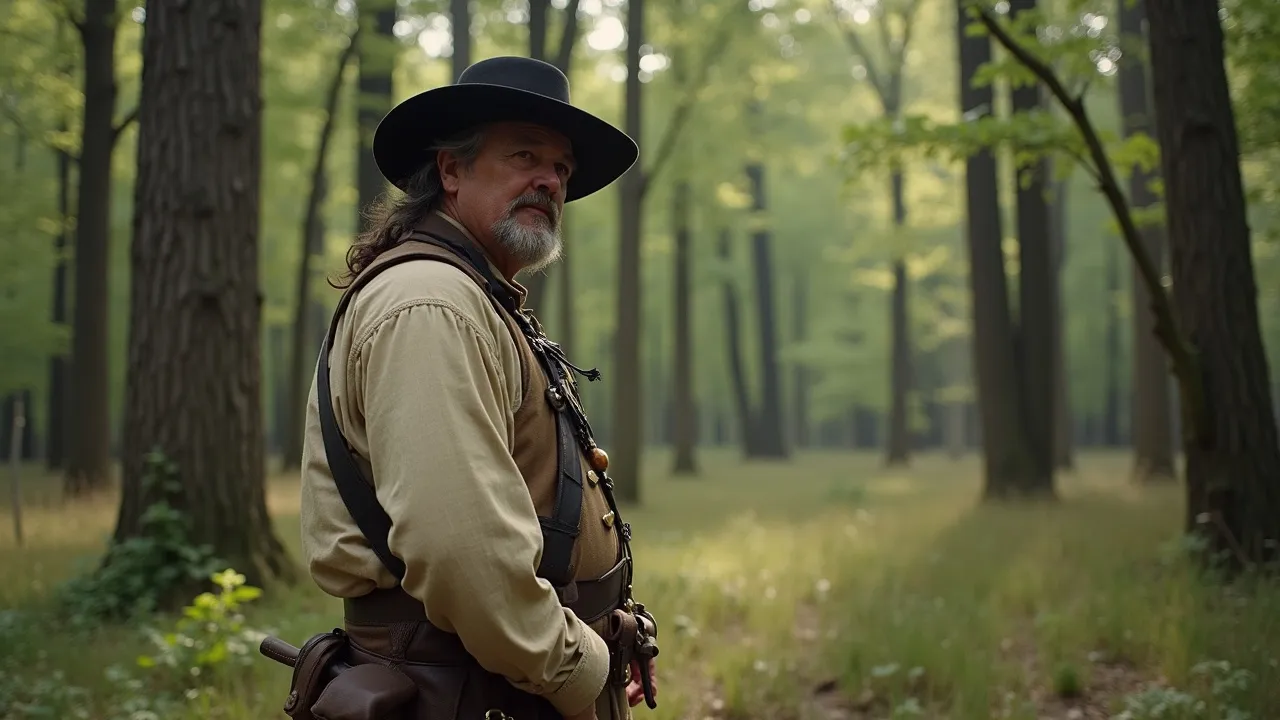
Daniel Boone Day, observed on June 7th, honors the legendary American pioneer's first sighting of Kentucky. It celebrates frontier spirit and exploration.
The Historical Origins & Evolutionary Journey
The Foundational Catalyst
Daniel Boone was born on November 2, 1734, in Berks County, Pennsylvania. He became an iconic American frontiersman and explorer, best known for his role in the westward expansion of the United States. The catalyst for Daniel Boone Day traces back to June 7, 1769, when Boone first laid eyes on the rich, fertile lands of Kentucky while scouting for the Transylvania Company. This momentous sighting sparked a wave of settlement and adventure that would define the American frontier.
The Legislative/Official Adoption
Official recognition of Daniel Boone's contributions came in 1971 when Kentucky Governor Louie B. Nunn signed a proclamation establishing June 7 as Daniel Boone Day. The day was intended to honor Boone's pioneering spirit and his instrumental role in opening the American West. The Kentucky State Legislature later codified the observance, encouraging schools and communities to commemorate the pioneer's legacy.
Modern Global Legacy
Today, Daniel Boone Day is celebrated primarily in Kentucky but also among history enthusiasts and pioneer reenactors worldwide. The day has evolved from a simple state observance into a broader recognition of frontier heritage, featuring reenactments, educational programs, and community gatherings. Boone's legacy endures in literature, film, and folklore, cementing his place as a symbol of American exploration and resilience.
How to Celebrate Daniel Boone Day
Daniel Boone Day offers numerous ways to honor the pioneer's spirit. Here is a definitive guide to celebrating, with activities suitable for individuals, schools, and organizations:
- Visit a Historic Site: Tour Boone's homestead in Missouri or the Cumberland Gap National Historical Park. Many sites offer special programs on June 7.
- Attend a Reenactment: Local historical societies often stage frontier reenactments, including musket firings and tomahawk throwing.
- Read Boone's Journals: Spend the day delving into primary sources like Boone's autobiography or modern biographies.
- Organize a Pioneer Day: Schools can host pioneer-themed lessons, including crafts like candle dipping or cornhusk doll making.
- Hike the Wilderness Road: Take a nature walk along Boone's original trail in Virginia or Kentucky.
- Watch Documentary Films: View films such as Daniel Boone: The Legend of the Frontier.
Global Celebrations
- United States: In Kentucky, parades and flag-raising ceremonies are common. Some communities hold a "Boone Day" festival with live music and storytelling.
- Canada: While not official, pioneer museums may host special exhibits about frontier exploration.
- United Kingdom: Boone's English ancestry is occasionally remembered through genealogy workshops.
Daniel Boone's Legacy and Impact
Westward Expansion
Daniel Boone's explorations, particularly through the Cumberland Gap, opened the door for millions of settlers to move West. His establishment of the Wilderness Road made Kentucky accessible and accelerated the growth of the United States. Boone's legacy is a cornerstone of American expansion history.
Cultural Icon
Boone became a folk hero in his own lifetime, celebrated in tall tales and dime novels. The character of the rugged, self-reliant frontiersman became a staple of American culture, influencing later figures like Davy Crockett and the mythos of the Wild West.
Environmental Stewardship
Despite his role in settlement, Boone often expressed respect for nature and Native American cultures. Modern environmental groups use his day to promote conservation of wilderness areas, highlighting the importance of preserving natural landscapes for future generations.
The Cultural Significance of Daniel Boone Day
Daniel Boone Day serves as a reminder of the pioneering spirit that shaped the United States. In Kentucky, the day is a source of immense state pride, often tied to the state's identity as the "Bluegrass State."
Education and Community
Schools across Kentucky incorporate Boone's story into lessons on state history. Local libraries host readings of Boone's journals, and genealogy societies offer resources for tracing Boone descendants. The day fosters a sense of connection to the past.
Tourism
The observance boosts tourism, with visitors flocking to Boone-related sites. The Daniel Boone National Forest and Boone Station State Historic Site see increased traffic, benefiting local economies.
Daniel Boone Day in Education and Media
Educational institutions and media outlets play a key role in spreading awareness of Daniel Boone Day. Many museums release special exhibits or online resources on June 7.
Educational Initiatives
- Classroom Activities: Teachers use Boone's mapmaking skills to teach geography, or discuss his interactions with Native Americans.
- Field Trips: Schools organize trips to historical sites, such as the Boone Homestead in Exeter, Pennsylvania.
Media Coverage
Local news stations in Kentucky often run segments on Boone's life. Podcasts and history blogs publish feature articles. Social media campaigns using #DanielBooneDay share trivia and event listings, broadening the day's reach.
Regional Variations and Related Observances
While Daniel Boone Day is officially June 7, some regions hold related observances on different dates. For instance, Missouri commemorates Boone's death on September 26 with a separate day. However, no major variations exist for the primary observance. Some communities combine Boone Day with broader frontier festivals, extending celebrations into the weekend.
In North Carolina and Virginia, where Boone also explored, local historical societies may host concurrent events. These variations enrich the overall appreciation of Boone's contributions across multiple states.
Historical Timeline
Daniel Boone is born on November 2 in Berks County, Pennsylvania.
On June 7, Boone first sees Kentucky while on an expedition for the Transylvania Company, planting the seeds for westward expansion.
Boone blazes the Wilderness Road through the Cumberland Gap, facilitating settlement of Kentucky.
Daniel Boone dies on September 26 in St. Charles County, Missouri, at age 85.
Kentucky Governor Louie B. Nunn signs a proclamation establishing June 7 as Daniel Boone Day.
The Daniel Boone Day virtual event series launches, allowing global participation via livestreams and digital reenactments.