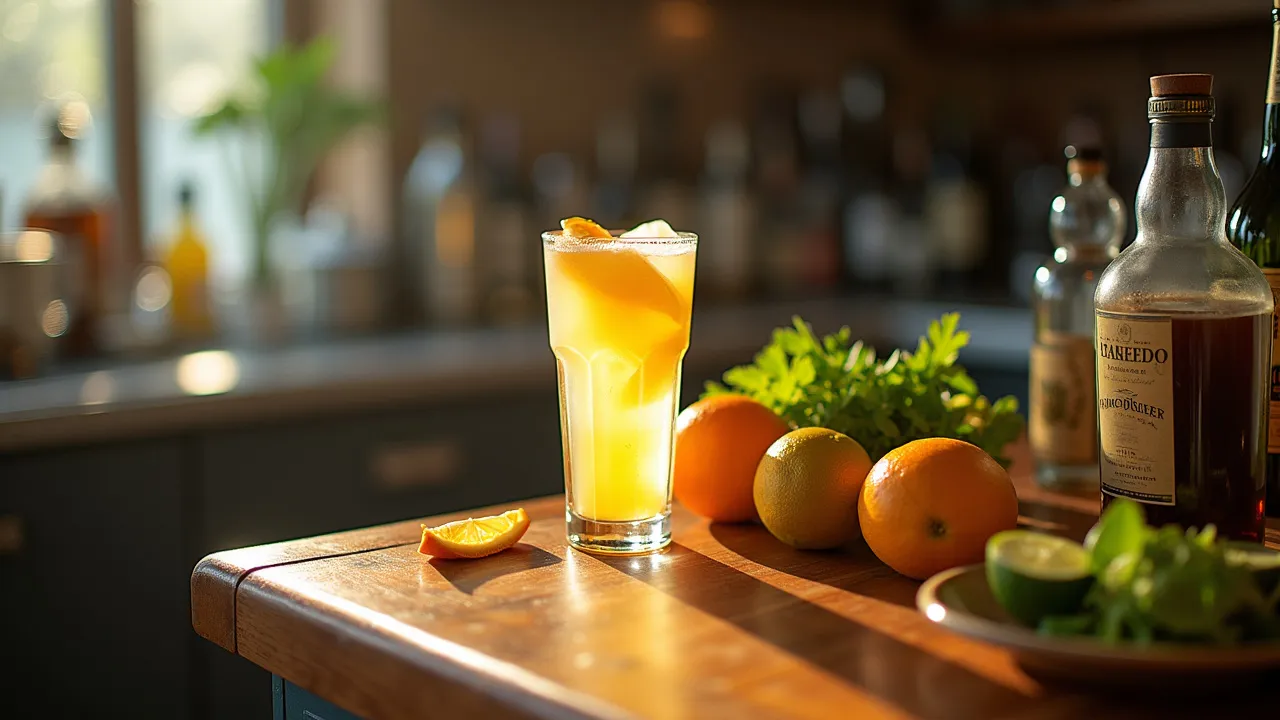
Celebrated annually on May 13th, World Cocktail Day honors the art of mixology and the first printed definition of a cocktail in 1806. Raised glasses and crafted drinks mark this global toast to cocktail culture.
The Historical Origins & Evolutionary Journey
World Cocktail Day, observed each year on May 13th, traces its roots to a single influential publication. On May 13, 1806, the editor of the Hudson, New York-based newspaper The Balance and Columbian Repository published the first known definition of a cocktail. Responding to a reader's query, he described it as "a stimulating liquor, composed of spirits of any kind, sugar, water, and bitters." This simple yet precise delineation laid the foundation for what would become a global cultural phenomenon.
The Foundational Catalyst
Before 1806, mixed drinks existed in various forms—punches, slings, and toddies—but the term "cocktail" was fluid and undefined. The editorial act of codifying the drink as a combination of spirits, sugar, water, and bitters established a clear category. Early cocktails were often medicinal, with bitters used as digestifs. The definition also specified that the drink should be "of great benefit to the stomach." This balance of flavor and function made cocktails a staple in American taverns and beyond.
The Legislative/Official Adoption
Although World Cocktail Day is not an official public holiday, it has been embraced by bartenders, distillers, and enthusiasts worldwide. The day gained traction in the early 2000s as cocktail culture experienced a renaissance. Spearheaded by mixology societies and industry bodies like the International Bartenders Association, May 13th became an unofficial but widely recognized date to celebrate the craft. In 2012, the day saw a surge in popularity through social media campaigns and cocktail festivals, solidifying its place in the calendar.
Modern Global Legacy
Today, World Cocktail Day is marked by events ranging from high-end tasting menus at Michelin-starred establishments to casual happy hours at neighborhood bars. The day also highlights the evolution of cocktail recipes—from the classic Old Fashioned to modern molecular mixology. Bartenders use the occasion to showcase local ingredients and innovative techniques, while home enthusiasts try their hand at Prohibition-era speakeasy drinks. The legacy of that first definition in 1806 continues to inspire creativity and connection across cultures.
How to Celebrate World Cocktail Day
World Cocktail Day offers endless opportunities for individuals, groups, and businesses to join the global toast. Whether you are a seasoned mixologist or a curious beginner, here are comprehensive ways to celebrate with authenticity and flair.
For Individuals and Home Enthusiasts
- Master a Classic: Choose one of the foundational cocktails—Martini, Manhattan, Old Fashioned, or Daiquiri—and learn its history and proper technique. Focus on balance and fresh ingredients.
- Host a Tasting Party: Invite friends to sample three to four cocktails that highlight different spirits (gin, whiskey, rum, tequila). Pair each with small bites and discuss flavor profiles.
- DIY Bitters: Craft your own aromatic bitters using spices, herbs, and high-proof alcohol. This connects you to the original 1806 definition.
- Visit a Local Bar: Support a neighborhood cocktail bar. Ask the bartender about their signature creations or the story behind a classic drink.
For Bars and Restaurants
- Create a Special Menu: Feature cocktails that highlight seasonal ingredients or pay homage to historical recipes from the 1800s.
- Host a Mixology Workshop: Invite guests behind the bar for a hands-on class covering shaking, stirring, and garnishing techniques.
- Partner with Local Distilleries: Offer flights of small-batch spirits alongside cocktail pairings to educate patrons about the source of their drinks.
Global Traditions and Regional Variations
While May 13th is the primary date, some regions observe different cocktail celebrations. For example, the United States also marks National Cocktail Day on March 22 (coinciding with the publication of the first cocktail book in 1862). In the United Kingdom, World Cocktail Day is often tied to the London Cocktail Week in October. Meanwhile, Japan celebrates its own Cocktail Day on June 10 (referencing the date the word 'cocktail' was first used in Japanese). These regional variations enrich the global tapestry of mixology, and incorporating them into your celebration adds depth.
The Art of Mixology: From Classic to Contemporary
Mixology is the craft of blending spirits, liqueurs, juices, and garnishes to create harmonious drinks. World Cocktail Day shines a spotlight on this profession and its evolution over two centuries.
Foundational Techniques
The core methods—shaking, stirring, muddling, and layering—remain unchanged. Shaking is used for drinks with citrus or dairy to ensure proper mixing and dilution; stirring is preferred for spirit-forward cocktails like the Manhattan to maintain clarity and texture. Understanding these basics is essential for any celebrant.
Essential Tools
- Shaker (cobbler or Boston)
- Jigger for precise measurement
- Hawthorne strainer
- Bar spoon
- Muddler
Contemporary Innovation
Modern mixologists push boundaries with techniques like fat washing, sous-vide infusions, and edible garnishes. Molecular cocktails use foams, gels, and smoke to surprise the palate. On World Cocktail Day, many bars debut experimental drinks that reinterpret classic recipes. For example, a "Deconstructed Old Fashioned" might present the sugar, bitters, and whiskey separately for the diner to combine.
Iconic Cocktails and Their Stories
Each classic cocktail carries a tale of origin, innovation, and cultural significance. World Cocktail Day is the perfect occasion to revisit these liquid legends.
The Martini
The Martini—gin and dry vermouth, garnished with an olive or lemon twist—has been a symbol of sophistication since the early 20th century. Its origins are debated, but it gained fame during Prohibition and later through James Bond's iconic "shaken, not stirred." The Martini's simplicity allows the quality of the gin to shine.
The Old Fashioned
Arguably the oldest cocktail, the Old Fashioned predates the 1806 definition. It consists of whiskey, sugar, water, and bitters, served over ice. This drink embodies the original cocktail formula and remains a benchmark for bartenders. Its resurgence in the 2000s fueled the craft cocktail movement.
The Daiquiri
Invented in Cuba in the late 19th century, the Daiquiri is a refreshing blend of rum, lime juice, and sugar. It became a favorite of Ernest Hemingway and later evolved into frozen variations. On World Cocktail Day, purists celebrate the classic shaken version.
Global Impact: Cocktails as Cultural Diplomacy
Cocktails are more than beverages; they are ambassadors of culture. World Cocktail Day highlights how drinks travel and transform across borders.
Cross-Cultural Exchange
The cocktail's journey from American taverns to global bars mirrors historical trade routes. For instance, the Japanese highball (whiskey and soda) reflects post-war American influence, while the Brazilian Caipirinha (cachaça, lime, sugar) has become an international symbol of Carnival. World Cocktail Day encourages exploration of these diverse traditions.
Economic Significance
The cocktail industry supports millions of jobs—from bartenders and distillers to glassware manufacturers and tourism. In 2023, the global spirits market was valued at over $1.5 trillion, with cocktails driving a significant share of sales. This day also raises awareness about responsible consumption and the importance of quality ingredients.
Sustainability and the Modern Cocktail Movement
As environmental consciousness grows, World Cocktail Day increasingly focuses on sustainable practices behind the bar. From reducing food waste to choosing eco-friendly spirits, the movement is reshaping mixology.
Zero-Waste Cocktails
Bartenders now repurpose citrus peels into oleo saccharum, use overripe fruit in syrups, and compost grounds from coffee-based cocktails. The goal is to minimize waste while maximizing flavor. For example, a carrot top can garnish a Bloody Mary instead of being discarded.
Ethical Sourcing
Distilleries are adopting organic farming, fair-trade sourcing, and renewable energy. World Cocktail Day promotes brands that prioritize transparency and environmental stewardship. Consumers are encouraged to ask where their ingredients come from and support local producers.
Health and Responsibility in Cocktail Culture
While World Cocktail Day is a celebration, it also serves as a reminder to drink mindfully. The modern cocktail scene emphasizes balance—both in flavor and consumption.
Low-ABV and Non-Alcoholic Options
The rise of "low-proof" and alcohol-free cocktails (mocktails) allows everyone to participate. Ingredients like shrubs, kombucha, and botanical extracts create complex flavors without high alcohol content. Many bars now feature dedicated spirit-free menus, reflecting a shift toward inclusivity.
Safe Celebrations
Organizers of events on World Cocktail Day promote designated drivers, ride-sharing partnerships, and no-alcohol alternatives. Responsible enjoyment ensures the day remains positive and memorable.
Historical Timeline
First published definition of a cocktail appears in The Balance and Columbian Repository, establishing the formula of spirits, sugar, water, and bitters.
Jerry Thomas publishes 'How to Mix Drinks', the first cocktail book, which standardizes many classic recipes and includes the first use of 'cocktail' in a book title.
The first recorded use of the word 'cocktail' in Japan appears, marking its global linguistic spread.
Prohibition in the United States (1920-1933) drives cocktail innovation as speakeasies emerge and bartenders develop new drinks to mask poor-quality spirits.
The Modern Bartender's Guide is published, consolidating pre-Prohibition and Prohibition-era recipes.
The era of tiki culture and retro cocktails (e.g., Mai Tai, Grasshopper) dominates bars in the U.S. and beyond.
The craft cocktail renaissance begins, with bartenders reviving classic recipes and techniques, emphasizing fresh ingredients.
World Cocktail Day gains popularity through online communities and industry events, becoming a global celebration on May 13th.
Social media campaigns boost World Cocktail Day awareness, with hashtags like #WorldCocktailDay trending.
During the COVID-19 pandemic, virtual cocktail classes and at-home mixology kits become widespread, expanding the day's reach.