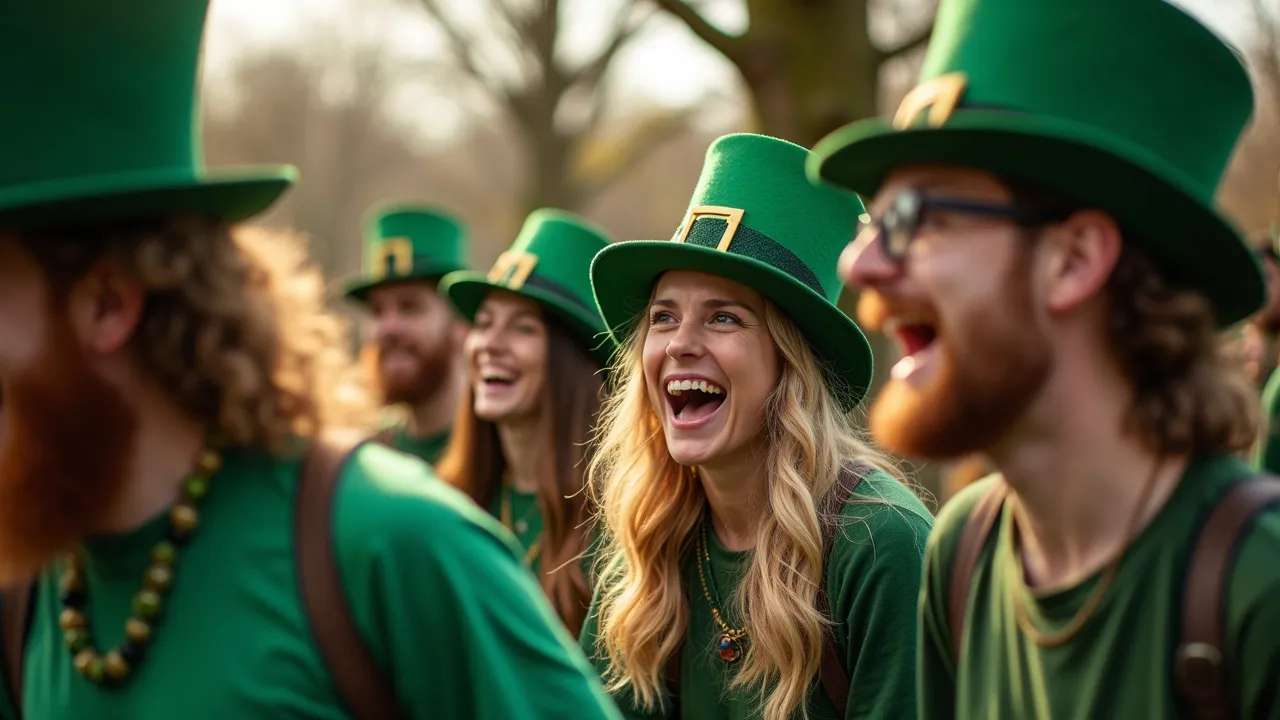
National Leprechaun Day, observed on May 13th, celebrates Irish folklore and the mischievous leprechaun. Learn about its origins, how to celebrate, and fun traditions that bring a bit of magic to the day.
The Historical Origins & Evolutionary Journey
National Leprechaun Day, celebrated annually on May 13th, is a whimsical observance that honors the iconic figure from Irish folklore: the leprechaun. While the day itself is relatively modern, the roots of the leprechaun myth stretch back centuries, deeply embedded in Celtic mythology and Irish identity.
The Foundational Catalyst: Irish Folklore
Leprechauns are a type of aos sí (supernatural beings) in Irish mythology, often depicted as bearded old men dressed in green, known for their trickery and shoemaking. They are solitary fairies, unlike the social sprites of other traditions. The earliest references appear in medieval Irish literature, such as the 8th-century story "The Adventure of Fergus mac Léti," where a leprechaun is captured. Over time, the leprechaun became a symbol of Ireland itself, especially after the 19th century when Irish-American culture popularized the figure.
The Legislative/Official Adoption: Modern Creation
National Leprechaun Day was founded in 1998 by Tom O'Grady, a businessman from Massachusetts who wanted to create a lighthearted holiday celebrating Irish heritage. The date May 13th was chosen because it falls between St. Patrick's Day and the summer, offering a second opportunity for Irish pride. O'Grady registered the day with the National Day Calendar, and it gradually gained traction through media and community events.
Modern Global Legacy
Today, National Leprechaun Day is observed across the United States and in some parts of Ireland, though it remains an unofficial holiday. It has evolved from a simple novelty to a day of cultural education, costume parties, and charitable acts. Schools use it to teach about Irish folklore, while businesses offer themed promotions. The day also emphasizes kindness and mischief, echoing the leprechaun's dual nature.
How to Celebrate National Leprechaun Day
Celebrating National Leprechaun Day is all about embracing the playful spirit of the leprechaun. Whether you're at home, at school, or in a community, here are actionable ways to make the day memorable.
For Individuals and Families
- Dress in Green: Wear full green outfits, including hats, scarves, and even green face paint. This is the easiest way to show spirit.
- Set a Leprechaun Trap: Use shoeboxes, glitter, and rainbow-colored materials to build a trap. The goal is to catch a leprechaun (or at least his gold).
- Bake Irish Treats: Make soda bread, shamrock cookies, or green cupcakes with gold sprinkles.
For Schools and Organizations
- Host a Leprechaun Hunt: Hide chocolate coins or small toys around the campus and let students search for them.
- Irish Folklore Lessons: Read stories about leprechauns, have students write their own legends, or watch animated films like Darby O'Gill and the Little People.
- Charity Drives: In the spirit of the leprechaun's gold, organize a coin drive for a local charity.
Corporate and Social Rituals
- Themed Office Parties: Encourage employees to dress up, hold a potluck with Irish dishes, and have a trivia contest about Irish culture.
- Social Media Campaigns: Use hashtags like #NationalLeprechaunDay and share photos of traps or green outfits.
Symbols and Traditions of the Day
The leprechaun is rich in symbolism, and National Leprechaun Day incorporates several iconic elements.
The Leprechaun's Appearance
Traditional depictions include a green coat and hat, buckled shoes, a beard, and often a pipe. The color green dominates, linking to both Irish heritage and the luck of the Irish. The gold coin, or pot of gold, represents wealth and the end of the rainbow.
Rainbows and Shamrocks
Rainbows are a central symbol because legend says leprechauns hide their gold at the rainbow's end. Shamrocks, while more associated with St. Patrick, also appear as decorations.
Mischief and Kindness
On this day, people engage in harmless pranks—like hiding objects or leaving green footprints—but also perform random acts of kindness, reflecting the leprechaun's dual role as trickster and helper.
Global Impact and Cultural Significance
Though mostly American, National Leprechaun Day has spread to other countries, especially where Irish diaspora communities exist.
United States
In the U.S., the day is widely recognized by schools, daycare centers, and Irish-American organizations. It serves as a prelude to summer festivities and a fun way to teach about Irish culture.
Ireland
In Ireland, the day is less commercial but used by tourism boards to promote folklore. Some pubs host special events, and there are small parades in towns like Limerick.
Worldwide
With social media, the day has gained international attention. In Australia and Canada, expatriates and fans of Irish culture celebrate with themed parties. The leprechaun has also become a pop culture icon, appearing in movies like Harry Potter and Leprechaun (horror series).
Economic Impact and Commercial Aspects
While not a major shopping holiday, National Leprechaun Day drives niche economic activity.
Retail and E-commerce
Stores sell green apparel, Irish-themed decorations, and leprechaun trap kits. Online marketplaces see spikes in sales of leprechaun costumes and props.
Food and Beverage
Bakeries offer green pastries; bars serve green beer and Irish whiskey specials. Restaurants may feature Irish stew or corned beef and cabbage.
Tourism
Hotels in Irish-themed destinations offer packages, and tour companies run "leprechaun trails" in places like County Antrim.
Similar Observances and Comparative Analysis
National Leprechaun Day shares traits with other folklore-inspired holidays.
St. Patrick's Day (March 17)
Both involve green, Irish pride, and leprechaun imagery, but St. Patrick's Day is a religious and national holiday, far larger in scale. Leprechaun Day is more family-oriented and less commercialized.
World Fairy Day (June 24)
World Fairy Day celebrates all fairies, including leprechauns, but is more global and less specifically Irish.
Talk Like a Pirate Day (September 19)
Both are humorous, unofficial holidays that encourage role-playing and themed activities.
Historical Timeline
Earliest known literary reference to a leprechaun appears in the Irish story 'The Adventure of Fergus mac Léti'.
The first English-language depiction of a leprechaun as a shoemaker appears in 'Fairy Legends and Traditions of the South of Ireland' by T. Crofton Croker.
The Walt Disney film 'Darby O'Gill and the Little People' popularizes the leprechaun image worldwide.
The horror film 'Leprechaun' introduces a darker version of the character, leading to a cult franchise.
National Leprechaun Day is founded by Tom O'Grady in Massachusetts, observed on May 13th.
The day gains official recognition on the National Day Calendar, boosting its popularity.
Schools and community centers begin hosting leprechaun trap-building contests, spreading via social media.
National Leprechaun Day is celebrated in over 15 countries, particularly in the US, Ireland, and Canada.