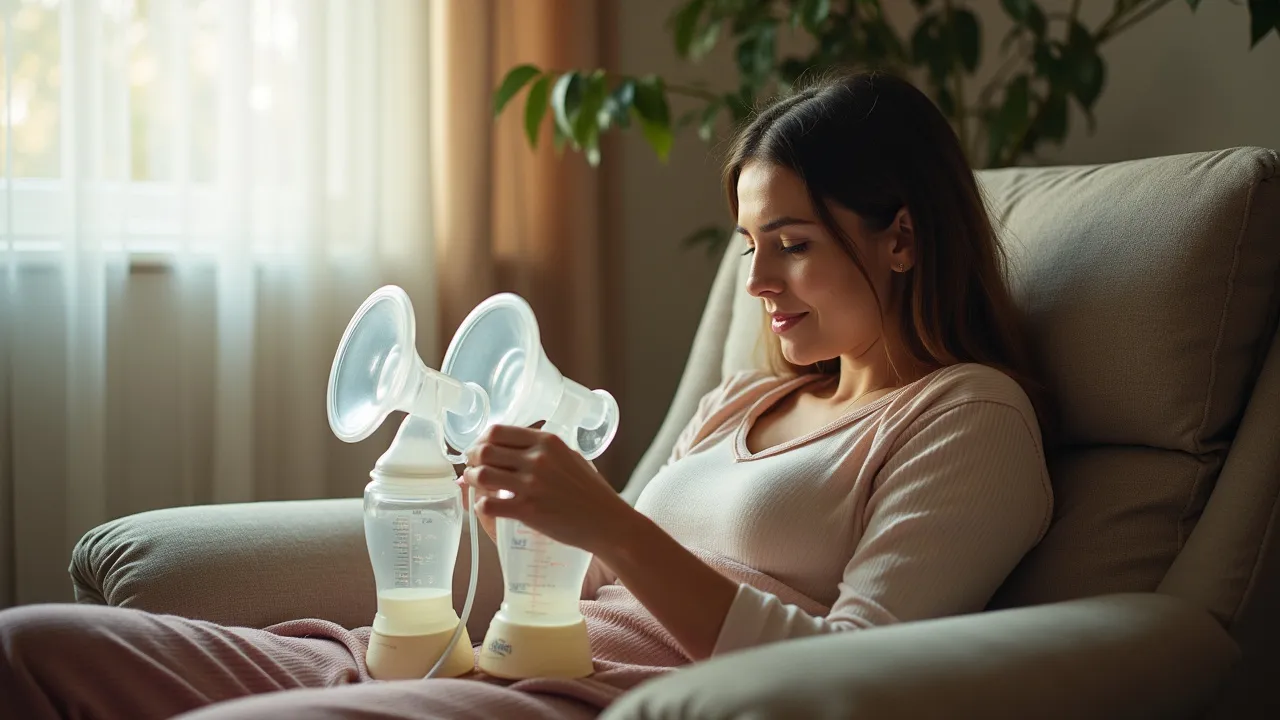
World Breast Pumping Day on January 27 celebrates and supports mothers who pump breast milk, raising awareness about the benefits, challenges, and resources. Join the global movement to normalize pumping and empower breastfeeding families.
The Historical Origins & Evolutionary Journey
World Breast Pumping Day, observed annually on January 27th, began as a grassroots campaign to acknowledge the hard work of millions of mothers who express milk for their babies. The day emerged from the growing recognition that breastfeeding support must include pumping, which is often overlooked in public lactation advocacy.
The Foundational Catalyst
The modern breast pump was patented in the 1920s, but it wasn't until the late 20th century that electric pumps became accessible for home use. The rise of working mothers in the 1980s and 1990s created an urgent need for reliable pumping solutions. Groups like the International Lactation Consultant Association (ILCA) began highlighting the lack of workplace pumping accommodations. In 2010, the Affordable Care Act in the U.S. mandated insurance coverage for breast pumps, marking a turning point. The first official World Breast Pumping Day was celebrated in 2015, organized by a coalition of lactation consultants, parenting bloggers, and maternal health nonprofits.
The Legislative/Official Adoption
While World Breast Pumping Day is not a government-recognized holiday, it has been endorsed by major health organizations including the World Health Organization (WHO) and the American Academy of Pediatrics (AAP). In 2017, the World Alliance for Breastfeeding Action (WABA) included pumping support in its global advocacy framework. Many countries, such as Canada, Australia, and the UK, now observe the day through hospital events and workplace awareness campaigns.
Modern Global Legacy
Today, World Breast Pumping Day serves as a unifying rallying point for mothers, employers, and policymakers. Social media campaigns using hashtags like #WorldBreastPumpingDay and #PumpWithPride have reached millions. The day also highlights persistent challenges such as inadequate pumping breaks, lack of clean facilities, and the stigma around public pumping. As of 2025, over 50 countries participate in organized events, from virtual support groups to corporate workshops.
How to Celebrate World Breast Pumping Day
Celebrating this day can be deeply personal or community-focused. Whether you are a pumping parent, a partner, or an employer, there are many meaningful ways to participate.
For Individuals and Families
- Share your story: Post a photo or video on social media using #WorldBreastPumpingDay to normalize pumping.
- Treat yourself: Invest in a new pump part, nursing bra, or lactation massager to make pumping more comfortable.
- Donate or receive: Connect with local milk banks or human milk donation networks. Consider donating excess frozen milk.
- Plan a pump-and-play date: Meet up with other pumping parents at a café or park to pump together.
For Employers and Organizations
- Review your lactation policy: Ensure compliance with laws like the PUMP Act (U.S.) that require reasonable break time and private space.
- Host a lunch-and-learn: Invite a lactation consultant to discuss the benefits of supporting pumping employees.
- Provide a dedicated pumping room: Equip it with comfortable seating, a sink, refrigerator, and an electrical outlet.
- Offer flexible schedules: Allow mothers to adjust work hours to accommodate pumping sessions.
Global Traditions and Variations
- United States: Many hospitals host breastfeeding fairs and pump‑donation drives.
- United Kingdom: The NHS runs online workshops and connects mothers via local peer support groups.
- Australia: Community centers organize 'pump and playgroups' with childcare included.
- India: Urban workplaces often hold awareness sessions on the importance of exclusive breastfeeding and pumping.
- Brazil: Large‑scale public campaigns promote the use of public lactation rooms in airports and shopping malls.
Health Benefits of Breast Pumping
Breast pumping offers numerous advantages for both mother and baby, extending the benefits of breastfeeding when direct nursing is not possible. It also supports maternal health and infant nutrition in unique ways.
For the Baby
- Continued access to breast milk: Pumped milk retains most of the antibodies, enzymes, and nutrients that protect against infections and allergies.
- Flexible feeding schedule: Fathers and other caregivers can feed the baby, promoting bonding and allowing the mother rest.
- Premature infants: Pumping is critical for NICU babies who cannot yet nurse, providing essential immune factors.
For the Mother
- Engorgement relief: Pumping can prevent mastitis and blocked ducts, especially during early weeks or when returning to work.
- Maintain milk supply: Regular pumping signals the body to keep producing milk, even during separations.
- Flexibility and freedom: Pumping allows mothers to attend appointments, travel, or have a night out without interrupting feeding.
- Weight management: Milk production burns calories, aiding postpartum weight loss.
The Science Behind Pumping
Research shows that mothers who pump for at least three months have lower risks of postpartum depression and cardiovascular disease. The oxytocin released during pumping also promotes uterine contraction and emotional bonding. When done correctly, pumping is a safe and effective way to feed a baby breast milk exclusively.
Workplace Support and Legal Rights
One of the greatest barriers to successful pumping is inadequate workplace support. World Breast Pumping Day amplifies the call for stronger laws and employer awareness.
Legal Frameworks Around the World
- United States: The PUMP Act (2023) requires employers to provide unpaid break time and a private space (not a bathroom) for pumping for up to one year after birth.
- European Union: Directive 2019/1158 mandates that nursing mothers receive adequate break time and facilities; many member states offer paid pumping breaks.
- Canada: Provincial labor codes vary, but most require reasonable accommodations, including breaks and a clean, private area.
- Australia: The Fair Work Act allows unpaid breaks and requires employers to provide a private space.
- Japan: Labor Standards Law grants 30 minutes of nursing leave twice daily until the child turns one year.
Best Practices for Employers
- Designate a room that is clean, private, and has a lockable door, comfortable chair, electrical outlet, and nearby sink.
- Allow flexible start/end times so mothers can pump before or after work.
- Provide a small refrigerator to store expressed milk.
- Train managers on the importance of supporting pumping employees without stigma.
Research from the CDC shows that employers who support pumping see lower turnover rates, higher job satisfaction, and reduced healthcare costs.
Myths and Facts About Breast Pumping
Misinformation can deter mothers from pumping or lead to unsafe practices. World Breast Pumping Day aims to correct common myths with evidence-based facts.
Myth: Pumping is painful. Fact: With a properly fitting flange and correct suction level, pumping should not hurt. Discomfort often indicates a wrong size or technique.
Myth: You can't pump if you have low milk supply. Fact: Pumping can actually help increase supply by signaling your body to produce more milk, especially if done after nursing or at regular intervals.
Myth: Frozen milk loses all nutrients. Fact: While some vitamin C degrades, most antibodies, fats, and proteins remain intact for up to 6 months in a standard freezer.
Myth: You must sterilize pump parts after every use. Fact: Washing with hot, soapy water and air-drying is sufficient for healthy, full-term babies. Sterilizing once daily is recommended for premature or ill infants.
Myth: Pumping means you failed at breastfeeding. Fact: Pumping is a legitimate and important method of feeding, often chosen for practical or medical reasons.
Myth: Electric pumps are always better than manual ones. Fact: Manual pumps can be just as effective for occasional use and are often more portable and quieter.
Technological Advances in Breast Pumps
Innovation in breast pump design has dramatically improved the pumping experience. From wearable pumps to smart tracking, technology is removing barriers.
Wearable Pumps
Wearable, hands-free pumps like the Elvie and Willow allow mothers to pump discreetly while moving about, working, or even lying down. These models are quieter and fit inside a nursing bra, reducing the feeling of being 'tied to a machine.'
Smart Pumps
Many modern pumps connect to smartphone apps that track volume, session duration, and even predict future milk production. Some models automatically adjust suction patterns to mimic a baby's natural sucking rhythm, maximizing output and comfort.
Portable and Battery-Powered
Rechargeable, compact pumps are now standard. The Spectra S1, for example, has a built-in battery for up to 3 hours of use, making pumping at work or on the go much easier. Newer models use USB-C charging for universal compatibility.
Accessory Innovations
- Collection cups: Silicone cups that fit inside the bra to catch letdown milk passively.
- Portable sterilizers: UV light sterilizers that can clean parts in minutes using a smartphone app.
- Lactation massagers: Devices that combine heat and vibration to help empty breasts faster and prevent clogs.
These innovations have reduced pumping time, increased comfort, and enabled mothers to combine pumping with daily activities, dramatically improving adherence to breastfeeding goals.
Historical Timeline
The first mechanical breast pump is patented, initially used primarily in hospitals for mothers of premature infants.
Electric breast pumps become available for home use, allowing mothers to more effectively express milk while separated from their babies.
Breastfeeding advocacy groups begin campaigning for better workplace pumping rights, leading to early state-level legislation in the United States.
The U.S. Affordable Care Act includes a requirement that health insurance plans cover the cost of breast pumps, significantly increasing access.
First official World Breast Pumping Day is celebrated on January 27, organized by a coalition of lactation consultants and parenting advocates.
The World Alliance for Breastfeeding Action (WABA) incorporates pumping support into its global advocacy framework.
The COVID-19 pandemic accelerates the adoption of wearable and smart pumps as mothers seek more flexible feeding solutions.
The U.S. PUMP Act expands federal pumping protections to nearly all nursing employees, including salaried and remote workers.
World Breast Pumping Day is observed in over 50 countries, with major employers committing to improved lactation accommodation policies.