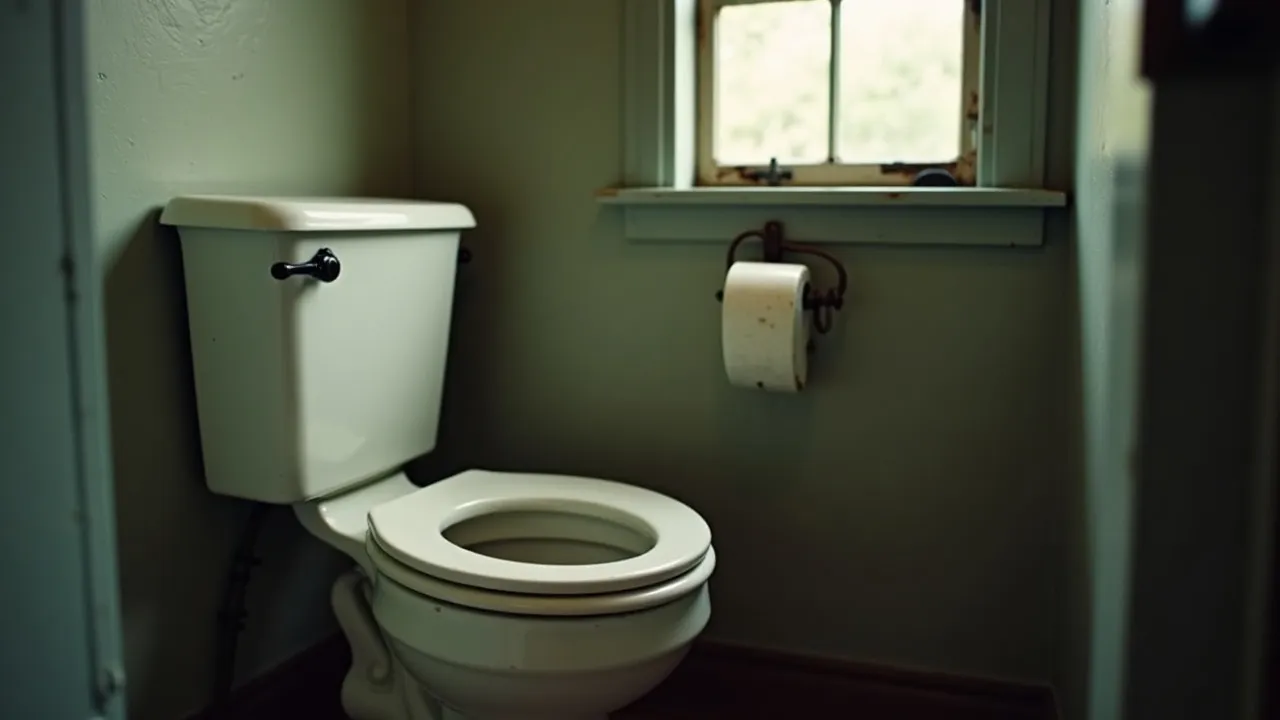
Thomas Crapper Day on January 27th honors the pioneering plumber and his contributions to modern sanitation. Learn about his life, inventions, and how to celebrate plumbing history.
The Historical Origins & Evolutionary Journey
The Foundational Catalyst
Thomas Crapper was born on January 27, 1836, in Thorne, Yorkshire, England. He began his plumbing apprenticeship at age 11 and later established his own plumbing company in London. Crapper's innovations included the ballcock and the siphon flush toilet, though he did not invent the flush toilet as commonly believed. His company became known for high-quality sanitary ware and was installed in many prestigious buildings, including royal residences.
The Establishment of the Day
Thomas Crapper Day has been observed informally by plumbing enthusiasts and historians since the mid-20th century. It gained recognition through the efforts of the Plumbing Heritage Foundation and various trade associations, who chose his birth date, January 27th, as the day to celebrate his legacy. The day honors not just Crapper but all contributions to modern plumbing and sanitation.
Modern Global Legacy
Today, Thomas Crapper Day is celebrated by plumbers, historians, and anyone interested in sanitary engineering. It highlights the importance of clean water and waste disposal systems, and promotes public health awareness. While not an official public holiday, it is recognized through educational programs, museum exhibits, and industry events worldwide.
How to Celebrate Thomas Crapper Day
Celebrating Thomas Crapper Day can be educational and fun. Here are some ways to participate:
- Visit a plumbing museum: Explore exhibits showcasing historic toilets and plumbing fixtures, such as the Crapper Museum in York or the Plumbing Museum in Boston.
- Learn about water conservation: Read up on modern low-flow toilets, dual-flush systems, and greywater recycling. Many plumbers offer free water audits on this day.
- Appreciate your plumber: Thank a plumber for their essential work—consider a small gift or a social media shoutout using #ThomasCrapperDay.
- Read Thomas Crapper's biography: Discover the true story behind the man, including his patents and business practices. Recommended book: Flushed with Pride: The Story of Thomas Crapper by Wallace Reyburn.
- Organize a community clean-up: Focus on local water bodies and sanitation infrastructure. Partner with organizations like the World Toilet Organization to raise awareness about global sanitation challenges.
In the UK, some plumbing companies offer discounts or host open houses. In the US, schools may include sanitation history in lessons, and libraries display books about plumbing. In Japan, high-tech toilets are highlighted, and manufacturers hold demonstrations.
Thomas Crapper's Contributions to Sanitation
Key Inventions and Patents
Thomas Crapper's most significant contributions include the ballcock (a floating ball valve that controls water flow) and the siphon flush mechanism, which improved the effectiveness of toilets. He also popularized the use of ceramic traps to prevent sewer gas from entering homes. Crapper's company manufactured a wide range of sanitary fixtures, including sinks, urinals, and bidets.
Impact on Public Health
The widespread adoption of Crapper's designs in the late 19th and early 20th centuries drastically reduced waterborne diseases like cholera and typhoid. His toilets became standard issue in schools, hospitals, and public buildings, setting new hygiene standards. Today, his legacy continues through modern plumbing codes and the ongoing fight for universal access to sanitary facilities.
Myths and Facts about Thomas Crapper
Common Misconceptions
- Myth: Thomas Crapper invented the flush toilet. Fact: He improved it but didn't invent it; earlier flush toilets existed, such as Sir John Harington's design in 1596.
- Myth: The word 'crap' comes from his name. Fact: The word 'crap' predates him, possibly from Middle English or Old Dutch 'krappe', meaning residue or waste.
- Myth: He was a fictional character. Fact: He was a real person with documented patents and company records.
True Contributions
Crapper's real achievements were in manufacturing and marketing. He obtained several patents and his company became a leading supplier of sanitary ware, even receiving royal warrants. He also authored a guide on plumbing called Brickwork and Drainage (1885).
Thomas Crapper Day Around the World
While January 27th is primarily observed in English-speaking countries, World Plumbing Day on March 11th has broader international recognition. In Australia, plumbers host charity events and offer free check-ups for low-income families. In Canada, trade schools offer workshops on plumbing history and water conservation. In India, sanitation awareness campaigns coincide with the day, often organized by NGOs like Sulabh International. Different cultures have unique toilet traditions—from squat toilets in Asia to bidets in Europe—and Thomas Crapper Day encourages cross-cultural appreciation of sanitation infrastructure.
The Future of Sanitation and Water Conservation
Innovations in Toilet Technology
Modern toilets use as little as 1.28 gallons per flush, a far cry from the 5 gallons of Crapper's era. Innovations include composting toilets, waterless urinals, and smart toilets with integrated bidets, heated seats, and self-cleaning features. These technologies reduce water consumption and improve hygiene.
Global Sanitation Challenges
Despite progress, over 2 billion people lack access to safe sanitation. Thomas Crapper Day raises awareness about this issue and supports initiatives like the UN's Sustainable Development Goal 6. By honoring the past, we can inspire future engineers and policymakers to create sustainable solutions for all.
Historical Timeline
Thomas Crapper is born on January 27th in Thorne, Yorkshire, England.
Crapper founds his own plumbing company in London, focusing on high-quality sanitary ware.
Patents the ballcock (floating ball valve) for controlling water in cisterns, a key improvement in toilet efficiency.
Publishes 'Brickwork and Drainage', a guide on plumbing and construction.
Crapper's company installs toilets in prestigious buildings, including Sandringham House and Windsor Castle for the British royal family.
Thomas Crapper dies on January 27th (the date is disputed, but often cited as his birth date).
Proper flush toilets become standard in most UK households, partly thanks to Crapper's manufacturing legacy.
Thomas Crapper Day begins to be celebrated informally by plumbing enthusiasts and historians, often on his birth date.
Online recognition grows; plumbing heritage groups and social media promote the day worldwide.
The World Toilet Organization launches World Toilet Day (Nov 19) but Thomas Crapper Day remains a separate niche celebration.