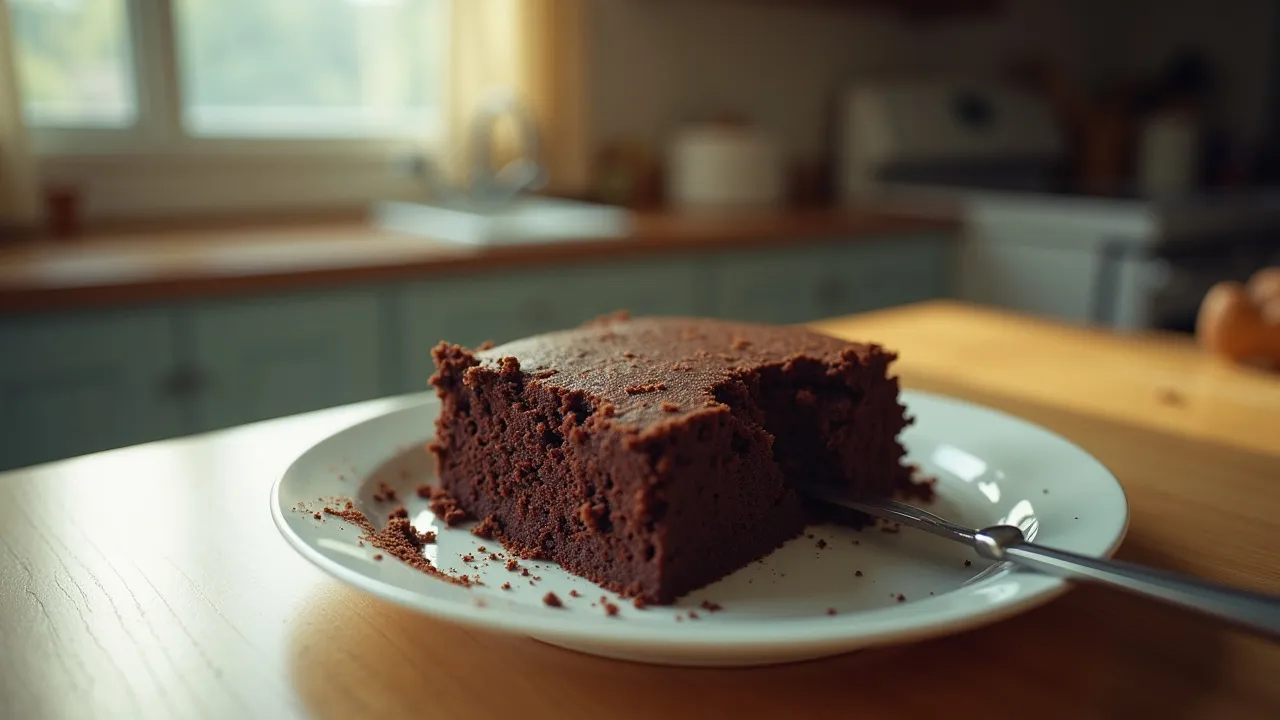
National Chocolate Cake Day, observed on January 27th, celebrates one of the world's most beloved desserts. From its rich history to modern baking trends, explore the origins, traditions, and global impact of this indulgent day.
The Historical Origins & Evolutionary Journey
National Chocolate Cake Day, observed annually on January 27th, is a tribute to the rich, decadent dessert that has captivated taste buds for centuries. The history of chocolate cake is intertwined with the evolution of chocolate itself, from a bitter Mesoamerican beverage to a staple of modern confectionery. This section delves into the foundational moments that shaped chocolate cake and the eventual establishment of its dedicated day.
The Foundational Catalyst
Chocolate's journey began with the ancient Olmec, Maya, and Aztec cultures, who consumed it as a frothy, spiced drink. It wasn't until the 16th century that Spanish conquistadors introduced chocolate to Europe, where sugar was added to create a sweeter concoction. The first known chocolate cake recipe appeared in 1765 in a cookbook by Elizabeth Raffald, titled The Experienced English Housekeeper. This early cake was more akin to a dense, flourless torte. The next major leap came in 1847 when British chocolatier Joseph Fry invented the first edible chocolate bar, making chocolate easier to incorporate into baking. By the 1890s, chocolate layer cakes became a sensation in America, thanks to the availability of baking powder and improved cocoa powders.
The Legislative/Official Adoption
Unlike many official holidays, National Chocolate Cake Day was not established by a government proclamation. Instead, it emerged from the food holiday marketing efforts of the National Confectioners Association (NCA) in the mid-20th century. The NCA, along with baking companies like Duncan Hines and Betty Crocker, promoted January 27th as a day to celebrate chocolate cake. The date likely was chosen to fill the post-holiday lull and encourage winter baking. While there is no single founder, the day has been embraced by the baking industry and home cooks alike, gradually becoming a staple calendar event in the United States.
Modern Global Legacy
Today, National Chocolate Cake Day is celebrated beyond the US, with bakeries, restaurants, and home bakers using the occasion to experiment with new recipes. The day has sparked a proliferation of variations, from flourless chocolate cake to German chocolate cake and black forest cake. Social media amplifies the celebration, with hashtags like #NationalChocolateCakeDay trending annually. The day also highlights the global chocolate industry's economic impact, with billions of dollars in cake sales and chocolate consumption.
How to Celebrate National Chocolate Cake Day
National Chocolate Cake Day offers a perfect excuse to indulge in your favorite dessert, whether you're a seasoned baker or a novice. This ultimate guide provides actionable ideas for individuals, schools, and organizations across the globe.
Individual and Family Celebrations
- Bake a Classic Chocolate Layer Cake: Use a trusted recipe from Martha Stewart or King Arthur Baking. Focus on quality cocoa powder and fresh buttermilk for richness.
- Try a Regional Variation: Explore international styles like the Sachertorte (Austria), Dobos torte (Hungary), or Chocolate mud cake (Australia).
- Host a Tasting Party: Gather friends to sample different chocolate cakes and vote on the best.
- Donate Baked Goods: Share the joy by giving cakes to neighbors, shelters, or community centers.
School and Organizational Events
- Bake Sale Fundraiser: Organize a school-wide bake sale with proceeds going to a local charity. Promote on social media with #CakeForACause.
- Baking Workshop: Host a virtual or in-person class teaching participants to make simple chocolate cupcakes or mug cakes.
- Office Potluck: Encourage coworkers to bring in homemade chocolate cakes and hold a friendly competition.
Global Traditions and Variations
- United States: Often celebrated with brands offering freebies or discounts on cake slices.
- United Kingdom: Known as Chocolate Cake Day, featured in Great British Bake Off challenges.
- Japan: December 25th is a popular day for chocolate cake due to Christmas, but January 27th sees increased sales at patisseries.
- France: While not officially celebrated, bakeries often feature special chocolate creations.
No matter how you celebrate, the key is to enjoy the moment and share the sweetness with others.
The Science of Chocolate Cake: Ingredients & Techniques
Understanding the science behind chocolate cake can elevate your baking. This section explores the roles of key ingredients and techniques.
Cocoa Powder vs. Baker's Chocolate
Cocoa powder delivers intense chocolate flavor without added fat, while baker's chocolate provides richness. The type of cocoa—natural or Dutch-process—affects leavening. Natural cocoa is acidic and reacts with baking soda, while Dutch-process is neutral and requires baking powder.
Leavening Agents
Baking soda and baking powder create carbon dioxide bubbles that make the cake rise. Buttermilk or vinegar often accompany natural cocoa to activate baking soda. Overmixing can deflate the batter, leading to a dense cake.
Fats: Butter, Oil, or Shortening?
Butter adds flavor and tenderness but can make cakes dry if overbaked. Oil produces a moist crumb and is harder to overmix. Shortening yields a soft texture but less flavor. Many recipes combine butter and oil for balance.
Moisture Enhancers
Ingredients like sour cream, yogurt, or mayonnaise (yes, mayo!) add moisture and tang, ensuring a tender cake. Adding hot coffee or boiling water intensifies chocolate flavor and improves texture.
Baking Temperature and Time
Most chocolate cakes bake at 350°F (175°C). Use a toothpick to test doneness. Let the cake cool in the pan for 10 minutes before transferring to a rack to prevent breakage.
Cultural Impact and Global Variations
Chocolate cake has transcended borders, becoming a symbol of celebration and comfort worldwide. This section highlights its cultural footprint.
United States: A Classic Icon
In America, chocolate cake is synonymous with birthdays, weddings, and holidays. The Duncan Hines and Betty Crocker box mixes popularized home baking post-WWII. Recipes like Texas Sheet Cake and Chocolate Mayo Cake reflect regional creativity.
Europe: Refined Elegance
Europe boasts iconic chocolate cakes: Sachertorte (Austria) with apricot jam, Dobos Torte (Hungary) with caramel, and Black Forest Cake (Germany) with cherries and cream. These cakes are protected by culinary traditions and often have special designations.
Latin America: Rich Heritage
Mexico's Pastel de Chocolate con Chile adds a hint of spice, while Brazil's Bolo de Chocolate is often served with brigadeiros. The use of cinnamon and vanilla distinguishes these versions.
Asia: Adaptation and Innovation
Japan's Chocolate Cake is lighter and less sweet, often incorporating matcha or mochi. In the Philippines, Chocolate Moist Cake is a popular dessert, using local cocoa.
The global love for chocolate cake is a testament to its universal appeal. National Chocolate Cake Day serves as a reminder of this shared indulgence.
Health Considerations and Dietary Adaptations
While chocolate cake is a treat, many enjoy versions that align with dietary needs. This section covers healthier choices and allergen-friendly options.
Nutritional Profile
A typical slice of chocolate cake (100g) contains around 400-500 calories, with significant sugar and fat. Dark chocolate variations may offer antioxidants, but moderation is key.
Gluten-Free Options
Substitute all-purpose flour with almond flour, coconut flour, or a gluten-free blend. Flourless chocolate cake is naturally gluten-free and relies on eggs for structure.
Vegan Chocolate Cake
Replace eggs with flax eggs or applesauce, and use plant-based milk and butter. Vegan recipes often include avocado or silken tofu for moisture.
Sugar Reduction
Use natural sweeteners like maple syrup, coconut sugar, or stevia. Adjust liquid ratios as sugar affects browning and texture.
Tips for Healthier Celebrations
Serve smaller portions.
Pair with fresh fruit or yogurt.
Choose dark chocolate (70%+ cocoa) for more antioxidants.
Celebrate with a half-cake or mug cake to reduce waste.
Economic Impact and Industry Insights
National Chocolate Cake Day has significant economic implications, driving sales in the baking and chocolate industries.
Chocolate Market
Global chocolate consumption exceeds 7.5 million tons annually, with cocoa prices influencing costs. The US chocolate industry alone is worth $20 billion. Cake mixes, cocoa powder, and ready-made cakes see a spike in January.
Baking Industry
Retailers run promotions on baking supplies. For example, Pillsbury and Betty Crocker often release limited-edition products. Bakeries feature special slices and cakes, increasing foot traffic.
Social Media and Marketing
Brands leverage hashtags like #NationalChocolateCakeDay for engagement. In 2023, TikTok videos under that tag garnered over 100 million views. Influencers partner with brands to showcase creative recipes.
The day also supports charities, with some bakeries donating a percentage of sales to hunger relief.
Historical Timeline
The first known chocolate cake recipe appears in 'The Experienced English Housekeeper' by Elizabeth Raffald, describing a dense, flourless cake.
Joseph Fry invents the first solid chocolate bar, making chocolate more accessible for baking.
Chocolate layer cakes become popular in the United States due to the availability of baking powder and improved cocoa powders.
US soldiers in World War I request chocolate cake in care packages, boosting home baking trends.
National Chocolate Cake Day begins to be promoted by the National Confectioners Association and baking companies, with January 27th as the date.
The rise of boxed cake mixes, especially Duncan Hines' 'Devil's Food', makes chocolate cake a household staple.
Gourmet and health-conscious variations (gluten-free, vegan) gain popularity, expanding the day's appeal.
Social media drives creative celebrations, with viral trends like 'chocolate cake in a mug' and 'drip cakes' popularizing the day globally.