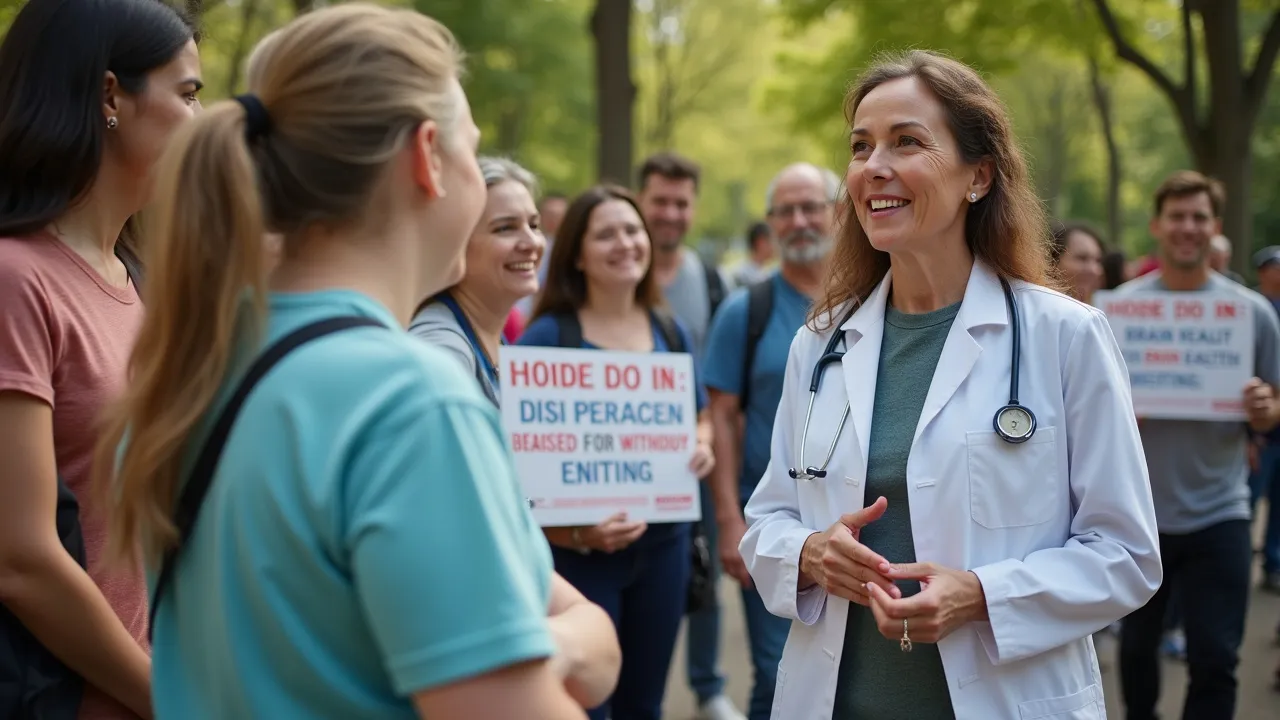
World Brain Day, observed on July 22nd, raises global awareness about neurological health and brain disorders. Established by the World Federation of Neurology, it promotes education, prevention, and improved care for brain diseases worldwide.
The Historical Origins & Evolutionary Journey
World Brain Day was conceived as a global initiative to highlight the importance of brain health and neurological care. The day was officially established by the World Federation of Neurology (WFN) in 2014, with the first observance on July 22nd of that year. Since then, it has grown into a worldwide movement uniting healthcare professionals, patients, and policymakers.
The Foundational Catalyst
The increasing global burden of neurological disorders, including stroke, Alzheimer's disease, epilepsy, and Parkinson's disease, prompted the WFN to create a dedicated awareness day. The goal was to bridge gaps in knowledge, reduce stigma, and advocate for better resources. The first World Brain Day focused on brain fitness and the importance of preventive measures.
The Official Adoption
The WFN officially launched World Brain Day on July 22, 2014, through a series of events at its headquarters in London and partner institutions worldwide. The date was chosen to coincide with the anniversary of the founding of the WFN itself. Over 100 countries participated in the inaugural year, hosting seminars, free brain health screenings, and media campaigns.
Modern Global Legacy
Today, World Brain Day has expanded to involve thousands of organizations, including the World Health Organization (WHO) and national neurological societies. Each year, a specific theme is chosen to address pressing issues, such as stroke prevention, epilepsy awareness, migraine education, and brain health across the lifespan. The day serves as a catalyst for policy changes and increased funding for neurology research.
How to Celebrate World Brain Day
World Brain Day offers opportunities for individuals, communities, and organizations to promote brain health. Below are actionable ways to participate globally.
Individual Actions
- Learn about brain health: Read articles, watch webinars, or attend local talks on neurological conditions.
- Engage in brain-healthy activities: Exercise, meditate, solve puzzles, and eat a balanced diet rich in omega-3s.
- Share on social media: Use hashtags like #WorldBrainDay to spread facts and personal stories.
Educational Activities for Schools
- Organize a brain anatomy lesson using models or virtual reality tools.
- Host a brain fair with interactive booths on memory, reflexes, and sensory perception.
- Invite a neurologist to speak about career opportunities in neuroscience.
Community and Organization Initiatives
- Free health screenings: Partner with local clinics to offer blood pressure, cognitive, and vision checks.
- Walk or run events: Organize a charity walk to raise funds for brain research.
- Policy advocacy: Write to local representatives urging better support for neurological services.
Corporate Involvement
Companies can host lunch-and-learn sessions on mental health and brain wellness, provide healthy snacks, and donate to neurological charities. Encourage employees to take brain breaks and practice mindfulness at work.
Global Impact on Neurological Health
Neurological disorders affect over one billion people worldwide, making them a leading cause of disability and death. World Brain Day plays a crucial role in highlighting this burden and driving change.
Raising Awareness
Mass media campaigns and public events reduce stigma associated with conditions like epilepsy and dementia. Many people now seek early diagnosis due to increased knowledge.
Policy Influence
The WFN collaborates with the WHO to integrate brain health into global health agendas. The Intersectoral Global Action Plan on Epilepsy and Other Neurological Disorders (IGAP) was influenced by World Brain Day advocacy.
Research Funding
Awareness days often correlate with spikes in research donations. For instance, the World Brain Day 2022 theme on Alzheimer's disease led to a 20% increase in public donations to Alzheimer's research charities.
Role of Neuroscience and Research
Neuroscientific advancements are central to combating brain disorders. World Brain Day showcases breakthroughs and underscores the need for continued exploration.
Key Discoveries
- Neuroplasticity: The brain's ability to reorganize itself after injury, leading to innovative rehabilitation therapies.
- Biomarkers for Alzheimer's: Blood tests can now detect amyloid plaques years before symptoms appear.
- Brain-computer interfaces: Devices that allow paralyzed patients to control prosthetics with their thoughts.
Funding Priorities
Despite progress, neurology research remains underfunded relative to other diseases. World Brain Day advocates for increased national and international investment in neuroscience.
Brain Health Across the Lifespan
Brain health needs change from infancy to old age. World Brain Day emphasizes preventive strategies at each stage.
Childhood and Adolescence
Proper nutrition, stimulation, and safety from head injuries are critical. Schools can integrate brain education into curricula.
Adulthood
Managing stress, sleep, and chronic conditions like hypertension and diabetes protects the brain. Regular cognitive challenges and social engagement are key.
Elderly
Age-related decline can be mitigated by lifelong learning, physical activity, and social connection. Early detection of dementia symptoms allows for better management.
Challenges and Future Directions
Despite progress, significant hurdles remain. World Brain Day focuses on addressing these challenges.
Access to Care
In low- and middle-income countries, neurologist shortages and high costs limit treatment. Telemedicine and community health workers offer potential solutions.
Stigma and Misinformation
Many brain disorders are misunderstood or stigmatized. Public education campaigns help correct myths about mental illness and epilepsy.
Climate Change and Brain Health
Rising temperatures and air pollution are linked to increased stroke and dementia risk. World Brain Day 2024 highlighted Brain Health and the Environment to address this nexus.
Future Goals
The WFN aims for universal access to neurological care by 2030, aligning with global health targets. World Brain Day will continue to mobilize action.
Historical Timeline
World Brain Day is established by the World Federation of Neurology. First observed on July 22, 2014, with the theme "Brain Fitness." Over 100 countries participate.
Theme: "Stroke Prevention: The Need for Global Action." Campaigns focus on modifiable risk factors like hypertension and smoking.
Theme: "Brain Health and Brain Fitness." Emphasis on lifestyle interventions such as exercise and diet.
Theme: "Stroke Prevention." Collaboration with the World Stroke Organization to promote FAST (Face, Arm, Speech, Time) awareness.
Theme: "Epilepsy: The Silent Epidemic." Focus on reducing stigma and improving access to antiepileptic drugs in low-resource settings.
Theme: "Migraine: The Painful Reality." Highlights the global burden of migraine and need for better treatment options.
Theme: "Parkinson's Disease: Beyond Tremors." Addresses non-motor symptoms and the need for multidisciplinary care.
Theme: "Multiple Sclerosis: The Invisible Enemy." Raises awareness about MS and the importance of early diagnosis.
Theme: "Alzheimer's Disease: The Global Crisis." Campaigns focus on risk reduction, support for caregivers, and research funding.
Theme: "Brain Health and the Environment." Explores links between pollution, climate change, and neurological disorders.