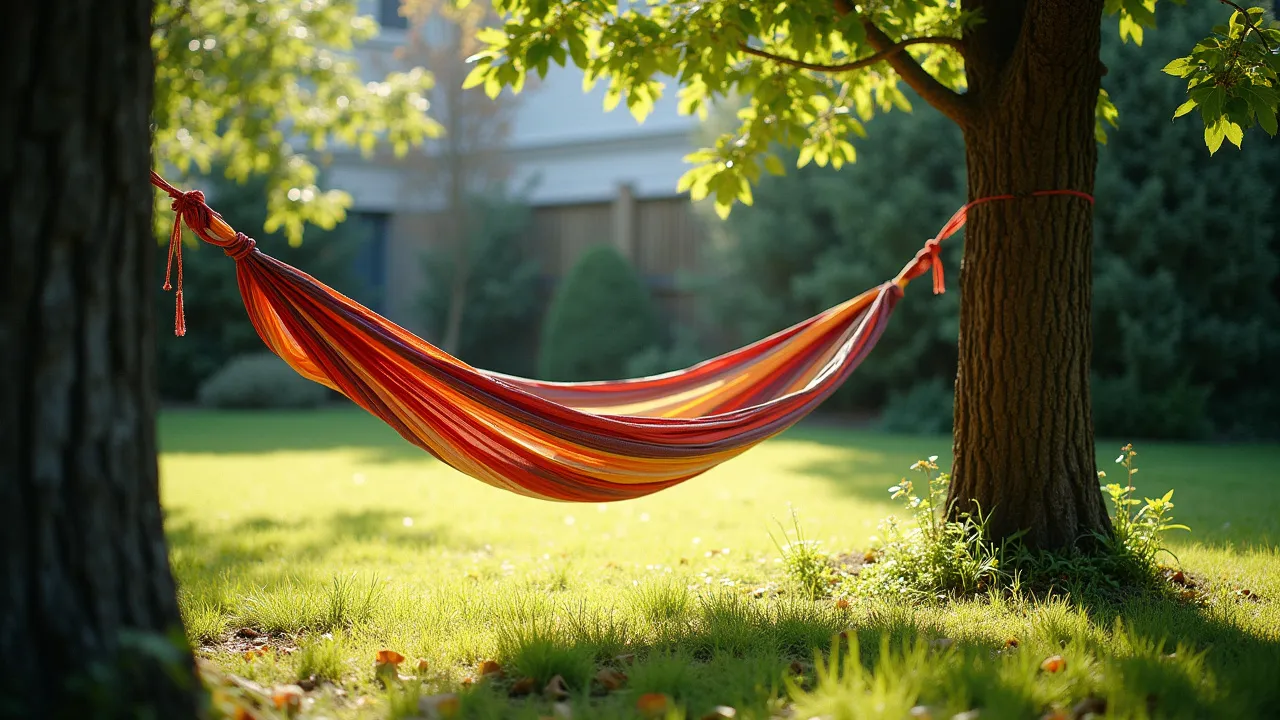
National Hammock Day, observed annually on July 22nd, celebrates the art of relaxation and outdoor leisure. It encourages people to take a break from their busy lives and enjoy the simple pleasure of swinging in a hammock.
The Historical Origins & Evolutionary Journey
National Hammock Day, celebrated on July 22nd, traces its roots to the ancient use of hammocks by Indigenous peoples in Central and South America. The word "hammock" originates from the Taíno word hamaca, referring to a woven net used for sleeping. While the exact origin of the modern holiday is unclear, it gained popularity in the early 2000s through social media and lifestyle blogs promoting relaxation and self-care.
The Foundational Catalyst
The hammock itself has a rich history dating back over a thousand years. Originally made from bark or plant fibers, hammocks were used by Indigenous tribes for sleeping, relaxing, and even as a means of protection from ground-dwelling insects and animals. Spanish explorers brought hammocks to Europe in the 15th century, where they were adapted for use on ships, offering sailors a comfortable sleeping space that moved with the ship's motion.
The Modern Global Legacy
In the 20th century, hammocks evolved into symbols of leisure and tropical vacations, with companies like Hammacher Schlemmer and later ENO (Eagles Nest Outfitters) mass-producing lightweight, portable versions. National Hammock Day emerged as part of a broader trend of "national day" observances, likely started by hammock enthusiasts or retailers looking to promote outdoor relaxation. Today, it is celebrated worldwide with events, sales, and social media campaigns encouraging people to hang a hammock and unwind.
How to Celebrate National Hammock Day
National Hammock Day is the perfect excuse to take a break and enjoy the great outdoors. Here are some ideas for individuals, families, and organizations to make the most of July 22nd.
Personal Relaxation Tips
- Set up a hammock in your backyard, at a local park, or on a balcony. Choose a shady spot with two sturdy anchor points.
- Bring a good book, a cold drink, and disconnect from technology for at least an hour.
- Practice mindfulness or meditation while gently swaying to reduce stress.
Social and Community Events
- Organize a "hammock hangout" with friends or neighbors, where everyone brings their own hammock and shares snacks.
- Host a hammock festival in a public park, featuring music, games, and a hammock demonstration.
- Encourage schools and offices to create a pop-up hammock lounge for students or employees to relax during breaks.
Global Traditions
In Brazil, where hammocks (redes) are commonly used as beds, people often celebrate by decorating their hammocks with colorful fabrics. In Thailand, beachside hammocks are a staple, and locals may host sunset yoga sessions in hammocks. In the United States, retailers like REI and Amazon offer special discounts on hammocks and camping gear to commemorate the day.
The Global Impact of Hammock Culture
Hammocks have transcended cultural boundaries, becoming a universal symbol of relaxation. From the Caribbean to Southeast Asia, hammocks are deeply embedded in local traditions and tourism.
Latin America
In Nicaragua and Mexico, handwoven hammocks are a cottage industry, often passed down through generations. National Hammock Day highlights the craftsmanship and supports local artisans.
Asia
In Indonesia, hammocks (called ayunan) are used in traditional fishing villages and luxury resorts alike. The day promotes sustainable tourism that incorporates local culture.
Africa
In East Africa, hammocks made from recycled materials are gaining popularity as eco-friendly alternatives. Celebrations often include workshops on upcycling old fabrics into hammocks.
Health Benefits of Hammock Relaxation
Scientific research supports the therapeutic effects of hammock rocking. A 2009 study by the University of Geneva found that rhythmic rocking enhances sleep quality and improves memory consolidation. Additionally, hammocks reduce stress by lowering cortisol levels and promoting a sense of calm.
Physical Benefits
- Hammocks distribute body weight evenly, reducing pressure points and alleviating back pain.
- Gentle swaying stimulates the vestibular system, improving balance and coordination.
Mental Health
Time spent in a hammock encourages mindfulness and disconnection from digital devices, combating anxiety and burnout. National Hammock Day serves as a reminder to prioritize mental well-being.
Choosing the Right Hammock for Your Lifestyle
With dozens of styles available, selecting the perfect hammock can enhance your National Hammock Day experience. Here's a guide to common types.
Types of Hammocks
- Rope Hammocks: Classic, airy design, ideal for hot climates. Look for cotton or polyester ropes.
- Fabric Hammocks: Made from nylon or parachute fabric; lightweight and quick-drying. Great for camping.
- Quilted Hammocks: Padded with cotton or foam for extra comfort. Suitable for indoor use or cooler weather.
- Camping Hammocks: Include bug nets and rainflies. Perfect for backpacking and overnight trips.
Installation Tips
Always use tree-friendly straps to avoid damaging bark. The ideal hanging angle is 30 degrees from horizontal. Ensure the hammock is at least 18 inches off the ground for safe entry and exit.
National Hammock Day in Popular Culture and Media
Hammocks are frequently featured in movies, music, and literature as symbols of leisure. From the hammock scene in The Beach (2000) to Elvis Presley's song "Hammock Serenade", this simple item has inspired creativity. National Hammock Day amplifies these cultural references, with brands and influencers sharing their favorite hammock moments on platforms like Instagram and TikTok using hashtags such as #NationalHammockDay.
In recent years, companies like DutchWare Gear and Warbonnet have collaborated with outdoor enthusiasts to launch limited-edition hammocks on July 22nd, fueling the day's commercial and cultural significance.
Historical Timeline
Ancient Indigenous peoples in Central and South America create the first hammocks using bark and plant fibers.
Christopher Columbus encounters hammocks used by Taíno people in the Caribbean and introduces them to Europe.
Hammocks become standard equipment on sailing ships due to their space-saving and comfort benefits.
The Hatteras Hammocks company is founded in North Carolina, mass-producing rope hammocks for the American market.
National Hammock Day is established as an unofficial observance, likely through online grassroots efforts.
Eagles Nest Outfitters (ENO) launches lightweight camping hammocks, sparking a surge in popularity.
A University of Geneva study on the effects of rocking on sleep provides scientific validation for hammock relaxation.
National Hammock Day gains traction on social media with major outdoor retailers offering discounts.
During the COVID-19 pandemic, hammock sales spike as people seek home-based leisure activities.
Multiple cities host official Hammock Festivals with hundreds of participants in parks and beaches.