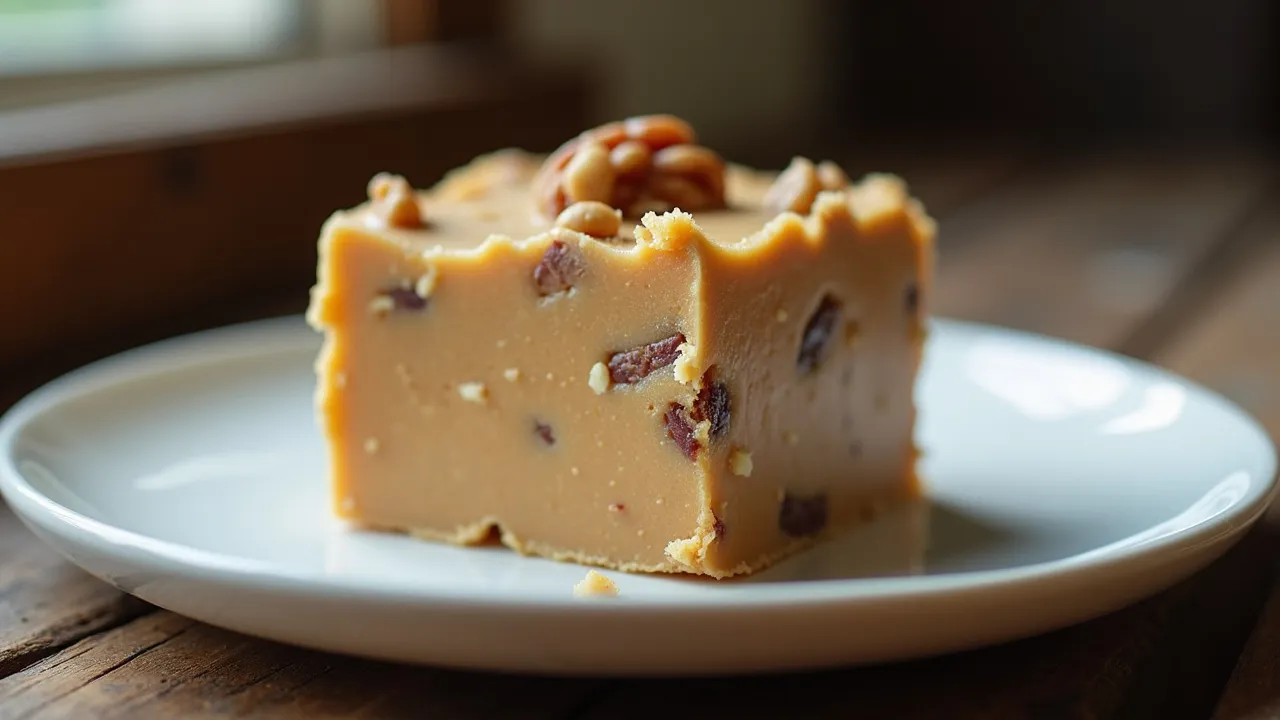
National Penuche Fudge Day, observed on July 22nd, celebrates the rich, caramel-like brown sugar fudge. Learn its history, how to make and enjoy this classic American confection.
The Historical Origins & Evolutionary Journey
National Penuche Fudge Day, observed each year on July 22nd, honors a beloved confection that has roots deep in American culinary tradition. Penuche fudge is a unique variety of fudge made primarily from brown sugar, butter, and milk, giving it a distinctive caramel-like flavor and a soft, creamy texture that sets it apart from standard chocolate fudge.
The Foundational Catalyst
The exact origins of penuche fudge are somewhat unclear, but the confection itself is believed to have emerged in the late 19th or early 20th century in the United States. Early cookbooks, such as Fannie Farmer's Boston Cooking-School Cookbook (1896), included recipes for "penuche" or "penuchi" that featured brown sugar as the key ingredient. The name likely derives from a French or Spanish word, possibly related to "pecan" or "panucho," though no definitive etymology exists. The fudge quickly became a staple at church socials, state fairs, and home kitchens across New England and the Midwest.
The Legislative/Official Adoption
Unlike many food holidays, National Penuche Fudge Day was not established by any government body or official proclamation. Instead, it emerged organically through food bloggers, social media, and online holiday calendars (such as NationalDayCalendar.com) in the early 2010s. These calendars listed July 22nd as the designated day, likely chosen to align with summer cooking and fair season. Despite lacking official status, the day has been embraced by home cooks, bakeries, and confectionery enthusiasts who celebrate by making and sharing penuche fudge.
Modern Global Legacy
Today, penuche fudge enjoys a niche but dedicated following worldwide. While most popular in the United States, it has spread to Canada and parts of Europe through food blogs and specialty candy shops. Modern variations include additions of nuts (walnuts or pecans), coconut, chocolate chips, or spices like cinnamon. The day serves as a reminder of the richness of regional American desserts and the joy of homemade candy. As the farm-to-table movement grows, penuche fudge represents a return to simple, quality ingredients.
How to Celebrate National Penuche Fudge Day
Celebrating National Penuche Fudge Day on July 22nd can be as simple or as elaborate as you wish. This day is all about appreciating the sweet, caramelized goodness of penuche fudge. Below are actionable strategies for individuals, schools, and organizations.
For Individuals and Families
- Make Traditional Penuche Fudge: Follow a classic recipe using brown sugar, butter, milk, and vanilla. Cook to the soft-ball stage (235-240°F) and beat until creamy. Add walnuts or pecans if desired.
- Host a Fudge Tasting Party: Invite friends to sample different fudge varieties, including penuche, chocolate, and maple. Provide tasting cards and vote for favorites.
- Share with Neighbors: Package penuche fudge in small boxes or bags and deliver to neighbors, coworkers, or local senior centers.
- Create a Fudge Flight: Pair small pieces of penuche fudge with complementary beverages like coffee, port wine, or apple cider.
For Schools and Community Groups
- Fudge-Making Workshop: Organize a hands-on class where participants learn candy-making techniques, including temperature control and beating methods.
- Historical Presentation: Give a short talk on the history of fudge and its role in American confectionery.
- Charity Bake Sale: Sell penuche fudge and donate proceeds to a local food bank or youth program.
For Businesses and Organizations
- Special Discounts: Candy shops and bakeries can offer a discount on penuche fudge or create a limited-edition flavor.
- Social Media Challenge: Encourage customers to post photos of their homemade penuche fudge using a branded hashtag like #NationalPenucheFudgeDay.
- Employee Treats: Provide penuche fudge in break rooms or as a thank-you gift for staff.
No matter how you celebrate, the key is to enjoy the process and share the sweetness with others. This food holiday is about community, tradition, and indulgence—all wrapped in a brown sugar coating.
Global Impact & Cultural Significance
While National Penuche Fudge Day is primarily observed in the United States, its influence has spread across continents thanks to the internet and global food culture. In Canada, penuche fudge is often found at fall fairs and Christmas markets, where it is known simply as "brown sugar fudge." In the United Kingdom, where fudge has a long history, penuche-style variations appear under names like "caramel fudge" or "tablet." Australia and New Zealand have embraced the confection through American-style candy stores and online recipe sharing.
Regional Variations
Different cultures have adapted penuche fudge to local tastes:
- Mexico: Use piloncillo (unrefined cane sugar) and add cinnamon and pecans for a "cajeta de nuez" twist.
- India: Substitute brown sugar with jaggery and add cardamom or coconut for a unique flavor profile.
- Philippines: Create a version called "yema" using condensed milk and brown sugar, often wrapped in cellophane.
The global fascination with penuche fudge highlights the universal appeal of simple, rich desserts. It also underscores the power of food holidays to unite people across borders, even for a niche treat.
Penuche Fudge vs. Other Confections
Penuche fudge is often confused with caramel fudge or butterscotch, but it stands apart in both ingredients and technique. Understanding these differences enhances appreciation for this special confection.
Key Differences
| Confection | Key Ingredient | Texture |
|---|---|---|
| Penuche Fudge | Brown sugar | Soft, creamy, slightly grainy |
| Caramel Fudge | White sugar + cream | Chewier, more stretchy |
| Butterscotch | Brown sugar + butter | Hard, brittle |
Penuche fudge relies on brown sugar for both flavor and structure. The molasses in brown sugar provides moisture and a deep caramelized taste. Unlike caramel, which requires careful temperature control to avoid crystallization, penuche fudge benefits from a bit of crystallinity—that slight graininess is part of its charm. Properly made, it should melt on the tongue without being sticky.
Comparing to chocolate fudge, penuche offers a less intense sweetness and a more complex flavor profile due to the molasses notes. It pairs exceptionally well with nuts, especially walnuts, which add crunch and balance.
Nutritional Aspects & Dietary Variations
Penuche fudge is undeniably a treat, but understanding its nutritional content can help consumers enjoy it mindfully. A typical 1-inch square contains about 100-120 calories, 5g fat, 15g sugar, and minimal protein. The primary ingredients—brown sugar, butter, and milk—contribute saturated fat and simple carbohydrates.
Healthier Modifications
For those with dietary restrictions, several adaptations exist:
- Vegan Penuche: Substitute butter with coconut oil or vegan margarine, and use plant-based milk like oat or almond.
- Low-Sugar Version: Replace brown sugar with a blend of erythritol and molasses extract, though texture may change.
- Nut-Free: Omit nuts and add seeds (sunflower or pumpkin) for crunch.
While penuche fudge is not health food, it can be part of a balanced diet when consumed in moderation. The day itself encourages celebration, not overindulgence—a perfect excuse to share with others.
The Art of Making Perfect Penuche Fudge
Mastering penuche fudge requires attention to detail, especially regarding temperature and technique. Here is a step-by-step guide to achieving that ideal creamy-yet-slightly-grainy texture.
Classic Recipe
- Ingredients: 2 cups packed brown sugar, 1 cup whole milk, 1/4 cup butter, 1 tsp vanilla extract, 1 cup chopped walnuts (optional).
- Cook: Combine brown sugar and milk in a heavy saucepan. Cook over medium heat, stirring until sugar dissolves. Attach a candy thermometer and cook to 235-240°F (soft-ball stage).
- Cool: Remove from heat. Add butter and vanilla without stirring. Allow to cool undisturbed until the temperature drops to 110°F.
- Beat: Beat vigorously with a wooden spoon until the mixture thickens and loses its sheen. Stir in nuts.
- Set: Pour into a buttered 8x8 pan. Let cool completely before cutting into squares.
Common Pitfalls
- Grainy texture (too crystallized): You may have cooked at too high a temperature or stirred during cooling. Ensure you use a clean pan and avoid scraping sides.
- Too soft: The fudge didn't reach the soft-ball stage; return to heat and cook again.
- Too hard: Overcooked. Next time, remove immediately at 240°F.
Practice makes perfect. Each batch teaches you more about the behavior of sugar, and soon you'll be turning out flawless penuche fudge for every celebration.
Historical Timeline
Fannie Farmer's <em>Boston Cooking-School Cookbook</em> includes a recipe for "Penuche" using brown sugar, marking one of the earliest published recipes for this confection.
Penuche fudge gains popularity at state fairs and church socials across the Midwest and New England, often sold as a homemade treat.
The Great Depression makes penuche fudge a low-cost luxury; families substitute expensive chocolate with brown sugar to create a sweet dessert.
Penuche fudge recipes appear in community cookbooks and national magazines like <em>Good Housekeeping</em>, solidifying its place in American comfort food.
National Penuche Fudge Day is first listed on food holiday websites, though the exact creator remains unknown.
Social media platforms like Pinterest and Instagram see a surge in penuche fudge recipe posts, contributing to a revival of interest in traditional candies.
National Penuche Fudge Day is celebrated globally through online baking communities, virtual fudge-making classes, and hashtag campaigns.