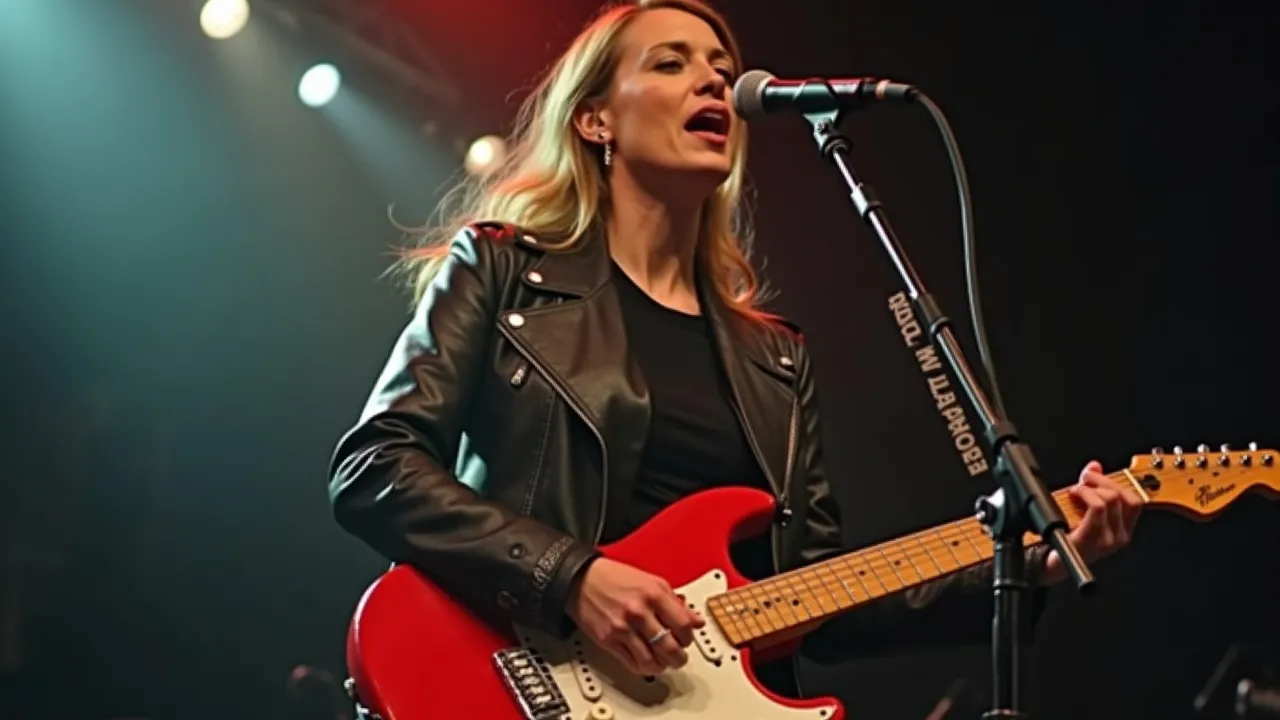
Women's Rock Day on January 3rd honors female rock musicians past and present. Celebrate by listening, learning, and supporting women in rock music.
The Historical Origins & Evolutionary Journey
Women's Rock Day, observed annually on January 3rd, was established by the Rock and Roll Hall of Fame and Museum to recognize and celebrate the contributions of women to rock music. The date was chosen to coincide with the birth anniversary of legendary rock icon Patti Smith, an influential figure in the punk rock movement. This day aims to highlight the often-overlooked role of women in shaping rock music from its earliest days through contemporary times.
The Foundational Catalyst
The origins of Women's Rock Day stem from a growing awareness of gender imbalance in rock music recognition. Despite countless female pioneers—from Sister Rosetta Tharpe, who influenced early rock and roll, to Janis Joplin and Aretha Franklin—women were historically underrepresented in rock history narratives. The Rock Hall's initiative sought to create a dedicated day for education and celebration. The first official observance in 2015 included special exhibits, educational programs, and social media campaigns.
The Legislative/Official Adoption
Women's Rock Day is not a federal holiday but has been recognized by various music organizations, schools, and communities. The Rock and Roll Hall of Fame officially adopted the day as part of its ongoing commitment to diversity. Numerous states have issued proclamations, and it is widely acknowledged in rock media. The day has gained traction through grassroots support from fans and artists alike, often marked by album listening parties, concerts, and online tributes.
Modern Global Legacy
Today, Women's Rock Day is celebrated worldwide, reflecting the global influence of female rock musicians. Social media buzzes with hashtags like #WomensRockDay and #WomenOfRock. Streaming platforms curate playlists featuring women rockers across genres—from classic rock to punk, metal, and indie. The day has become a platform to advocate for gender equality in music, inspiring new generations of female musicians. It also addresses the ongoing challenges women face in the industry, such as pay gaps, harassment, and underrepresentation in festival lineups.
How to Celebrate Women's Rock Day
Women's Rock Day offers countless ways to honor and support female rock musicians. Whether you are an individual, a school, or an organization, here are actionable ideas that celebrate the spirit of the day.
For Individuals
- Listen to Playlists: Stream curated playlists of women in rock—classic hits by Janis Joplin, Joan Jett, and Stevie Nicks, or discover newer artists like Brittany Howard and St. Vincent.
- Watch Documentaries: Films like "20 Feet from Stardom" or "The Wrecking Crew" highlight female contributions to rock history.
- Attend a Concert: Check local venues for shows featuring female rock artists. Many bands offer discounts on this day.
- Share on Social Media: Post about your favorite female rockers using #WomensRockDay. Tag the artists to show appreciation.
For Schools and Educational Institutions
- Organize a Listening Party: Play iconic tracks and discuss the historical impact of women in rock.
- Invite a Guest Speaker: Host a female rock musician or music historian to talk about their journey.
- Create a Project: Have students research and present on a pioneering female rock artist.
- Include in Curriculum: Use Women's Rock Day as a starting point to teach about gender equality in music.
For Organizations and Companies
- Host a Panel: Feature female music executives, producers, and artists discussing the industry.
- Release a Tribute: Share content such as blog posts or videos highlighting women in rock.
- Donate: Support nonprofits like She Rocks or Girls Rock Camp Alliance that empower girls through music.
In different regions, unique traditions have emerged. In the UK, some radio stations play only female rock artists for the day. In Japan, rock bars host all-female jam sessions. In Latin America, festivals often include a special women-in-rock stage. The day is flexible, allowing anyone to adapt celebrations to their cultural context.
Iconic Women in Rock: Pioneers and Modern Icons
Women's Rock Day shines a spotlight on the incredible artists who have defined and redefined rock music. Here is a look at some of the most influential figures, spanning generations and genres.
Early Pioneers
Sister Rosetta Tharpe (1915–1973) is often called the Godmother of Rock and Roll. Her gospel-infused guitar playing and powerful vocals influenced Elvis Presley and Johnny Cash. Big Mama Thornton (1926–1984) recorded the original version of "Hound Dog" with raw blues-rock energy. Wanda Jackson (born 1937) blended country and rockabilly, earning the title "Queen of Rockabilly."
1960s–1970s Legends
- Janis Joplin (1943–1970): A raw, emotional powerhouse who defined psychedelic rock and blues. Her performance at Monterey Pop Festival remains iconic.
- Grace Slick (born 1939): Lead singer of Jefferson Airplane, a key figure in the San Francisco sound and counterculture.
- Aretha Franklin (1942–2018): The Queen of Soul also rocked hard, as seen in her album Aretha Now and her induction into the Rock Hall.
- Stevie Nicks (born 1948): Fleetwood Mac's ethereal vocalist and songwriter, whose style influenced generations.
1980s–1990s Game Changers
This era saw the rise of punk, new wave, and alternative rock led by women. Joan Jett (born 1958) refused to conform, forming The Runaways and later her solo career with hits like "I Love Rock 'n' Roll." Debbie Harry (born 1945) fronted Blondie, blending punk with pop. Chrissie Hynde (born 1951) led The Pretenders with fierce independence. In the 1990s, the riot grrrl movement erupted with bands like Bikini Kill (Kathleen Hanna) and L7, addressing feminism and punk rock. Courtney Love (born 1964) with Hole brought grunge and punk to the mainstream.
Modern Era
Today, women continue to break barriers. Brittany Howard (Alabama Shakes) mixes soul, rock, and blues. Annie Clark (St. Vincent) experiments with art rock. Hayley Williams (Paramore) leads pop-punk. Kurt Vile's collaborator Megan Batoon and indie icons like Soccer Mommy (Sophie Allison) show the genre's diversity. The day celebrates all these artists and encourages discovery of lesser-known talents.
The Role of Women in Rock Festivals and Live Events
Live music festivals have historically underbooked women, but Women's Rock Day amplifies conversations around gender parity on stage. Festivals like Glastonbury, Coachella, and Lollapalooza have faced criticism for male-dominated lineups. In response, initiatives like KeyChange (UK) and SheSaid.So advocate for 50/50 gender balance. Women's Rock Day serves as a catalyst for change, with many festivals announcing special women-in-rock stages or all-female headliners on January 3rd.
Notable Women-Led Festivals
- Girls Rock Camp All-Star Showcase: Part of the Girls Rock Camp Alliance, these events feature young female musicians.
- Women's Rock Festival: A traveling festival dedicated to female rock talent.
- The Linda Lindas: A punk band of young women of color who gained viral fame, often performing at major festivals.
Women's Rock Day also spotlights the importance of safe spaces. Many festivals now implement anti-harassment policies and provide gender-neutral facilities. The day is a reminder that live music should be inclusive for all.
Women's Rock Day in Media and Social Media
Social media plays a crucial role in spreading the message of Women's Rock Day. Hashtags like #WomensRockDay and #WomenOfRock trend annually, with fans sharing memories and playlists. Major media outlets often publish retrospectives on influential female rock artists.
Digital Campaigns
- Spotify and Apple Music create curated playlists titled "Women of Rock" that are updated yearly.
- YouTube hosts livestreams of classic concerts, such as Janis Joplin at Woodstock.
- Podcasts like "She Rocks: The Women Who Made Rock" release special episodes on the day.
Influencers and music educators use the day to debunk myths about women in rock—for example, that female musicians are less technically skilled. Many share tutorials on playing iconic riffs by women. The day also sees a surge in Wikipedia edit-a-thons to improve articles on female rock artists, correcting historical gaps.
Educational Initiatives and Mentorship Programs
Women's Rock Day is also a day for education and mentorship. Many nonprofits use the occasion to promote music education for girls and young women.
Key Organizations
- Girls Rock Camp Alliance: Runs camps worldwide where girls learn instruments, form bands, and write songs.
- She Rocks: A nonprofit supporting female musicians through workshops and networking.
- Women's Audio Mission: Trains women in audio engineering and production.
Schools are encouraged to integrate Women's Rock Day into their music curriculum. Suggested activities include analyzing lyrics from a feminist perspective, studying the business side of music, and inviting female guest speakers. Many libraries host exhibits displaying album covers, posters, and memorabilia of women in rock.
Challenges and Progress: The Road Ahead
Despite progress, women in rock still face significant hurdles. Women's Rock Day acknowledges these challenges while celebrating achievements.
Ongoing Challenges
- Representation: Women make up only about 20% of Rock Hall inductees. A 2020 study found that less than 10% of rock festival headliners were women.
- Pay Gap: Female musicians often earn less than male counterparts, and women in technical roles (producers, engineers) are even rarer.
- Harassment: Stories of sexism and abuse in the industry are too common.
Positive Developments
- Increased Visibility: The success of artists like H.E.R. (though more R&B), Phoebe Bridgers (indie rock), and Japanese Breakfast (indie) show diverse rock expressions.
- Policy Changes: Festivals are adopting gender parity pledges. The Recording Academy now has more diverse membership.
- Grassroots Movements: Fan-led initiatives like "50/50 for 2025" pressure festivals to book equal numbers.
Women's Rock Day serves as a yearly check-in to assess progress and recommit to achieving equality. The conversation is far from over, but the day provides hope and inspiration.
Historical Timeline
Sister Rosetta Tharpe is born, who will later pioneer rock and roll music with her gospel-blues guitar style.
Janis Joplin is born, later becoming a legendary blues-rock vocalist.
Joan Jett is born, future frontwoman of The Runaways and a symbol of female rock rebellion.
Patti Smith releases her debut album 'Horses', influencing punk and alternative rock.
The Rock and Roll Hall of Fame is founded, but women remain underrepresented in inductions for decades.
The Girls Rock Camp movement begins, fostering young female musicians.
The Rock and Roll Hall of Fame establishes Women's Rock Day on January 3rd.
Brittany Howard (Alabama Shakes) wins multiple Grammys, highlighting modern female rock talent.
Women's Rock Day sees record social media engagement, with #WomensRockDay trending globally.