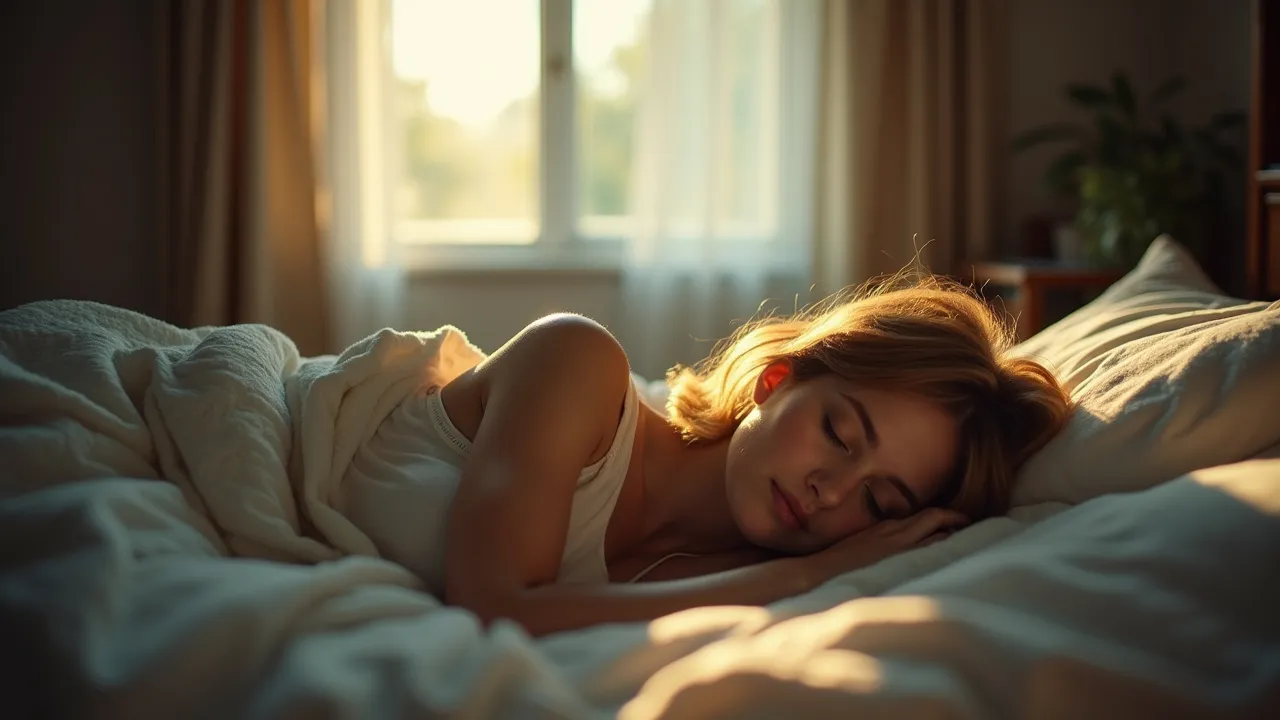
Festival of Sleep Day, observed on January 3rd, encourages everyone to prioritize rest and embrace the health benefits of quality sleep. Learn about its origins, how to celebrate, and the science behind sleep.
The Historical Origins & Evolutionary Journey
Festival of Sleep Day, observed annually on January 3rd, is a whimsical yet meaningful observance dedicated to the restorative power of sleep. While its exact origins remain shrouded in mystery—likely emerging from online sleep communities and lighthearted social media movements in the early 2000s—the day has evolved into a global reminder of sleep's critical role in health, productivity, and well-being.
The Foundational Catalyst
The modern sleep awareness movement gained momentum in the late 20th century as scientific research unveiled the profound impacts of sleep deprivation on physical and mental health. The discovery of sleep's role in memory consolidation, immune function, and emotional regulation catalyzed public interest. Festival of Sleep Day likely emerged as a grassroots celebration, leveraging the post-holiday lull in early January—a time when sleep schedules are often disrupted—to refocus on rest.
The Legislative/Official Adoption
Unlike many health observances, Festival of Sleep Day has never been officially recognized by a governing body. Instead, it thrives through word-of-mouth, social media hashtags (#FestivalOfSleepDay), and endorsement by sleep scientists and wellness influencers. The National Sleep Foundation, while not its founder, has indirectly supported the day by promoting sleep health awareness throughout the year. The day's unofficial status adds to its charm, allowing flexible celebration across cultures.
Modern Global Legacy
Today, Festival of Sleep Day is celebrated in over 30 countries, often featuring events like 'sleep-ins' in offices, school napping zones, and public slumber parties. Its legacy lies in shifting cultural attitudes toward sleep—from a luxury to a necessity. The day has also sparked conversations about work-life balance and the dangers of 'hustle culture,' reinforcing that adequate rest is foundational to peak performance.
How to Celebrate Festival of Sleep Day
Celebrating Festival of Sleep Day is simple: prioritize sleep in all its forms. From individual acts of self-care to community-wide initiatives, here is the definitive guide to observing this day meaningfully.
Individual Celebration Strategies
- Plan a Sleep-In: Adjust your alarm to allow for an extra hour of sleep. Let your body wake naturally without interruption.
- Create a Bedtime Ritual: Disconnect from screens 30 minutes before sleep. Engage in relaxation techniques such as reading, gentle stretching, or meditation.
- Optimize Your Sleep Environment: Ensure your bedroom is cool (65-68°F), dark, and quiet. Invest in blackout curtains, a white noise machine, or a comfortable mattress topper.
Corporate and Social Celebrations
- Office Nap Rooms: Encourage employers to designate a quiet room for power naps. Some companies in Japan and Spain already have mandatory siesta breaks.
- School Sleep Education: Teachers can dedicate a lesson to sleep hygiene, including activities like dream journaling or a 'sleep pledge' for better bedtime habits.
- Community Slumber Parties: Organize a pajama-and-pillow party at a local community center, complete with guided sleep meditations and calming music.
Global Traditions and Variations
While January 3rd is the primary date, some cultures observe similar themes on different days. For instance, World Sleep Day (March 13) focuses on medical aspects, while Japan's 'Sleep Day' in September emphasizes public health campaigns. In the United States, many companies offer wellness stipends for sleep tracking devices. Regardless of date, the core message remains: sleep is a non-negotiable pillar of health.
The Science of Sleep: Why Rest Matters
To truly appreciate Festival of Sleep Day, understanding the science behind sleep is essential. Sleep is not a passive state but a dynamic process critical for physiological and cognitive restoration.
Sleep Cycles and Their Functions
Humans cycle through four stages of sleep: N1 (light sleep), N2 (deeper relaxation), N3 (deep sleep or slow-wave sleep), and REM (rapid eye movement). Each stage serves unique functions:
- N3 (Deep Sleep): Repairs tissues, boosts immune function, and releases growth hormone.
- REM Sleep: Enhances memory consolidation, emotional processing, and creative problem-solving.
Consequences of Sleep Deprivation
Chronic insufficient sleep is linked to cardiovascular disease, obesity, diabetes, depression, and impaired cognitive performance. According to the CDC, one in three adults doesn't get enough sleep. Festival of Sleep Day counters this by urging individuals to reclaim rest as a health priority.
The Role of Circadian Rhythms
Our internal biological clock regulates sleep-wake cycles. Exposure to natural light, consistent sleep schedules, and limiting blue light at night help maintain rhythm alignment. Observing the day can prompt lifestyle adjustments that benefit long-term health.
Global Variations of Sleep Observances
While Festival of Sleep Day is primarily celebrated on January 3rd in the United States and many Western countries, other regions have their own sleep-focused days with unique traditions and cultural significance.
World Sleep Day
Held on the Friday before the Spring Equinox (usually in March), World Sleep Day is a global event organized by the World Sleep Society. It emphasizes clinical aspects of sleep health, featuring free sleep screenings, public lectures, and policy advocacy. Unlike the whimsical Festival, World Sleep Day has formal recognition and partnerships with healthcare institutions.
Japanese Sleep Day
In Japan, 'Suimin no Hi' (Sleep Day) is observed on September 3rd, coinciding with the end of summer heat. It promotes 'inemuri'—napping in public—as acceptable. Many companies offer nap pods and encourage power naps to boost afternoon productivity.
Spanish Siesta Culture
Though not a formal holiday, the siesta is deeply ingrained in Spanish culture, especially in rural areas. January 3rd aligns with post-holiday fatigue, making it a natural fit for extended rest. Restaurants and shops may close for a midday break, embodying the festival's spirit.
Understanding these variations helps contextualize Festival of Sleep Day within a broader global appreciation for sleep diversity.
Impact on Modern Workplace and Society
Festival of Sleep Day has subtly influenced corporate policies and societal attitudes toward rest. In a world obsessed with productivity, this observance challenges the glorification of overwork.
Corporate Sleep Initiatives
Companies like Google, Nike, and Procter & Gamble now offer on-site nap rooms or flexible hours to accommodate sleep needs. Some firms implement 'no meeting' days to reduce stress and allow employees to rest. Festival of Sleep Day serves as an annual reminder for organizations to evaluate their work culture and prioritize employee well-being.
Educational Reforms
Schools have begun shifting start times later (per AAP recommendations) to align with adolescent sleep patterns. On January 3rd, some schools incorporate sleep education into curricula, teaching students about sleep hygiene and the dangers of sleep deprivation.
Societal Shifts
The day also fuels a broader movement toward 'sleep positivity'—rejecting the stigma of sleeping in or taking naps. Social media campaigns featuring #SleepDay encourage users to share their sleep tips and celebrate rest guilt-free. This cultural shift is evident in the booming sleep industry (mattresses, trackers, supplements), projected to reach $100 billion by 2025.
Tips for Better Sleep Hygiene Year-Round
While Festival of Sleep Day is a powerful catalyst for rest, good sleep hygiene should be maintained throughout the year. Here are actionable strategies to improve sleep quality every night.
Consistent Schedule
Go to bed and wake up at the same time every day, even on weekends. This stabilizes your circadian rhythm and enhances sleep depth.
Optimize Your Diet
- Avoid caffeine after 2 PM—its half-life can last up to 6 hours.
- Limit alcohol close to bedtime; while it may help you fall asleep, it disrupts REM cycles.
- Include magnesium-rich foods (bananas, almonds, leafy greens) to promote relaxation.
Exercise Regularly
Moderate aerobic exercise (like brisk walking or swimming) improves sleep onset and quality. Aim for at least 30 minutes daily, but finish your workout 2-3 hours before bed to avoid overstimulation.
Create a Sleep Sanctuary
Your bedroom should be a haven for rest: reserve it for sleep and intimacy only. Remove work materials, electronic devices, and clutter. Use blackout curtains and consider a white noise machine to mask disruptive sounds.
By incorporating these habits, you extend the spirit of Festival of Sleep Day far beyond January 3rd.
Historical Timeline
REM sleep is discovered by Nathaniel Kleitman and Eugene Aserinsky at the University of Chicago, launching modern sleep research.
The first sleep disorder clinic is established at Stanford University, paving the way for clinical sleep medicine.
The National Sleep Foundation is founded in the United States to promote sleep health and education.
Festival of Sleep Day begins gaining traction on early internet forums and social media platforms as a humorous counter to New Year's resolutions.
World Sleep Day is first celebrated (March 14) by the World Sleep Society, focusing on medical awareness.
The CDC declares insufficient sleep a public health epidemic, boosting the relevance of sleep-focused observances.
The COVID-19 pandemic disrupts global sleep patterns; Festival of Sleep Day sees increased participation as people prioritize rest.