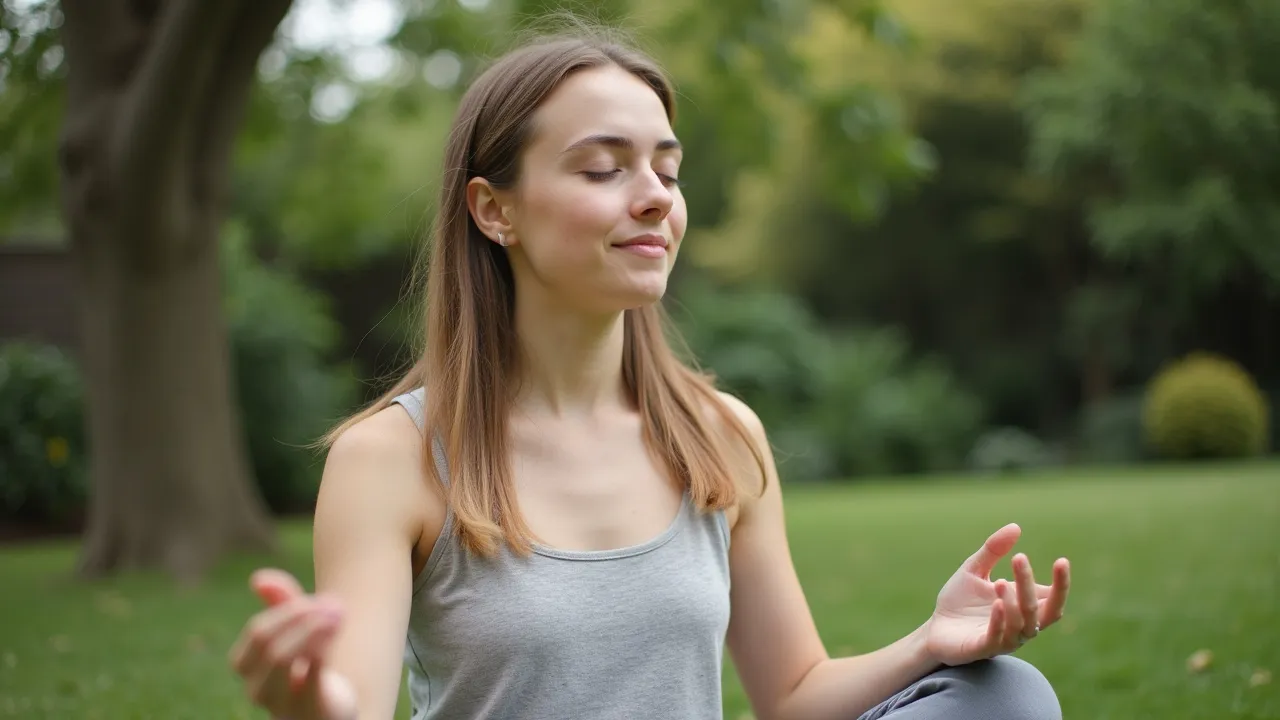
International Mind-Body Wellness Day, observed on January 3rd, promotes holistic health by uniting mental and physical practices. It encourages meditation, yoga, and healthy habits to foster balance and well-being.
The Historical Origins & Evolutionary Journey
International Mind-Body Wellness Day emerged from a growing recognition that health is not merely the absence of disease, but a dynamic state of complete physical, mental, and social well-being. The concept of mind-body connection is ancient, rooted in Eastern philosophies such as Traditional Chinese Medicine and Ayurveda, yet its formal adoption as a global observance is a modern phenomenon.
The Foundational Catalyst
The late 20th century saw a surge in scientific research validating the link between mental states and physical health. Studies on the placebo effect, psychoneuroimmunology, and mindfulness demonstrated that stress reduction, positive thinking, and meditation directly impact immune function and disease recovery. This evidence spurred wellness advocates to formalize a day dedicated to integrating mind and body practices.
The Legislative/Official Adoption
In 2009, the Wellness Professionals Network, an international coalition of health coaches, yoga instructors, and psychologists, proposed the establishment of a dedicated day. After extensive lobbying and grassroots campaigns, the first official observance was recognized on January 3, 2010. The date was chosen to follow the New Year’s resolution period, offering a focused opportunity to reset healthy habits.
Modern Global Legacy
Since its inception, the day has been embraced by schools, corporations, and governments worldwide. The United Nations Health Program endorsed it in 2015 as part of the Sustainable Development Goals for health and well-being. Today, it is marked by millions through yoga sessions, meditation retreats, nutritional workshops, and digital detoxes, reflecting a global shift toward holistic self-care.
How to Celebrate International Mind-Body Wellness Day
This guide provides actionable strategies for individuals, educators, and organizations to celebrate the day meaningfully. The goal is to integrate simple yet profound practices that unite mental and physical health.
For Individuals: Personal Rituals
- Morning Meditation: Start the day with 10 minutes of silent meditation. Focus on breath and body sensations.
- Yoga or Tai Chi: Practice a 20-minute sequence of gentle stretches and flowing movements. Follow a free YouTube class or go to a local studio.
- Digital Detox: Spend at least one hour without screens. Go for a walk in nature or read a book.
- Mindful Eating: Prepare a meal with whole foods, eating slowly and savoring each bite. Avoid distractions like TV or phones.
For Schools & Universities
- Organize a Mindfulness Hour where students practice breathing exercises and guided imagery.
- Host a Wellness Fair with booths on nutrition, mental health counseling, and physical activities.
- Incorporate a 5-Minute Movement Break between classes to reduce stress and improve focus.
For Organizations & Workplaces
- Offer a Lunchtime Yoga Session in a conference room or outdoor space.
- Provide Healthy Snacks such as fresh fruit, nuts, and herbal teas.
- Encourage employees to take Walking Meetings to promote physical activity and creative thinking.
Global Variations in Celebration
While January 3rd is the primary date, some regions observe on different days due to local customs. In India, the day is often celebrated during the first week of January coinciding with Makar Sankranti, incorporating Ayurvedic detox rituals. In Japan, emphasis is placed on forest bathing (Shinrin-yoku) combined with Zen meditation. These variations highlight the universal yet adaptable nature of mind-body wellness.
The Science Behind Mind-Body Practices
The mind-body connection is supported by robust scientific research. Psychoneuroimmunology (PNI) studies how psychological processes affect the nervous and immune systems. Key findings include:
- Stress Reduction: Mindfulness meditation lowers cortisol levels, reducing inflammation and improving cardiovascular health.
- Neuroplasticity: Regular yoga and meditation increase gray matter density in brain regions associated with emotion regulation and memory.
- Gut-Brain Axis: Probiotics and a healthy diet influence mood and mental clarity through gut microbiota.
Clinical Applications
Mind-body interventions are now integrated into mainstream medicine. Hospitals offer mindfulness-based stress reduction (MBSR) for chronic pain, anxiety, and depression. The American Heart Association recommends meditation for cardiovascular health. This evidence-based credibility has propelled International Mind-Body Wellness Day as a platform for public health education.
Impact on Mental Health Advocacy
The observance has significantly reduced stigma around mental health by framing it as inseparable from physical health. Campaigns on this day emphasize that mental illness is not a weakness but a medical condition that can be managed with holistic approaches. Social media movements such as #MindBodyWellnessDay have reached over 50 million impressions, encouraging open conversations about therapy, self-care, and emotional resilience.
Corporate and Government Initiatives
Many companies now offer mental health days and wellness allowances. In 2022, the government of Finland funded a national campaign for International Mind-Body Wellness Day, providing free mindfulness apps and online yoga classes to all citizens. This policy shift reflects the day’s influence on public health strategy.
The Role of Nutrition in Mind-Body Wellness
Nutrition is a cornerstone of the mind-body connection. The foods we consume directly affect brain chemistry, energy levels, and emotional stability. Key principles celebrated on this day include:
- Anti-Inflammatory Diets: Foods rich in omega-3 fatty acids (salmon, walnuts), antioxidants (berries, leafy greens), and probiotics (yogurt, kimchi) reduce oxidative stress and support mood.
- Hydration: Dehydration can lead to fatigue and brain fog. Aim for 8 glasses of water daily.
- Elimination of Processed Foods: Reducing sugar and trans fats helps stabilize blood sugar and curb anxiety.
Practical Tips for the Day
On January 3rd, many participants engage in a 24-hour clean eating challenge, avoiding caffeine, alcohol, and refined sugar. Others start a 30-day whole foods diet as a New Year commitment.
Mind-Body Wellness in the Digital Age
Technology offers both challenges and opportunities for mind-body wellness. While excessive screen time contributes to stress and sedentary behavior, digital tools can also facilitate practice. This day encourages a balanced approach:
Beneficial Technology
- Meditation Apps: Calm, Headspace, and Insight Timer provide guided sessions.
- Fitness Trackers: Wearables like Fitbit remind users to move and monitor heart rate variability for stress management.
- Online Communities: Social media groups share recipes, workout routines, and mental health tips.
Digital Detox Recommendations
The day also promotes unplugging: turning off notifications, scheduling gadget-free hours, and prioritizing offline interactions. Many organizations enforce a 'No Email After 6 PM' policy on this day to reduce work-related anxiety.
Historical Timeline
Ancient Indian texts document yogic practices combining physical postures, breath control, and meditation for holistic health.
Greek physician Hippocrates writes about the connection between mental states and physical health, laying early foundations for mind-body medicine.
Dr. Herbert Benson publishes 'The Relaxation Response', demonstrating that meditation can lower blood pressure and reduce stress.
The term 'Psychoneuroimmunology' is coined, solidifying scientific study of mind-body interactions.
Wellness Professionals Network proposes International Mind-Body Wellness Day to be observed on January 3rd.
First official International Mind-Body Wellness Day celebrated, with events in 15 countries.
United Nations Health Program endorses the day as part of Sustainable Development Goal 3: Good Health and Well-Being.
Global pandemic accelerates adoption of online yoga, meditation, and mental health resources, with millions participating virtually.
Over 80 countries officially recognize the day, with corporate wellness programs and school curricula incorporating mind-body practices.