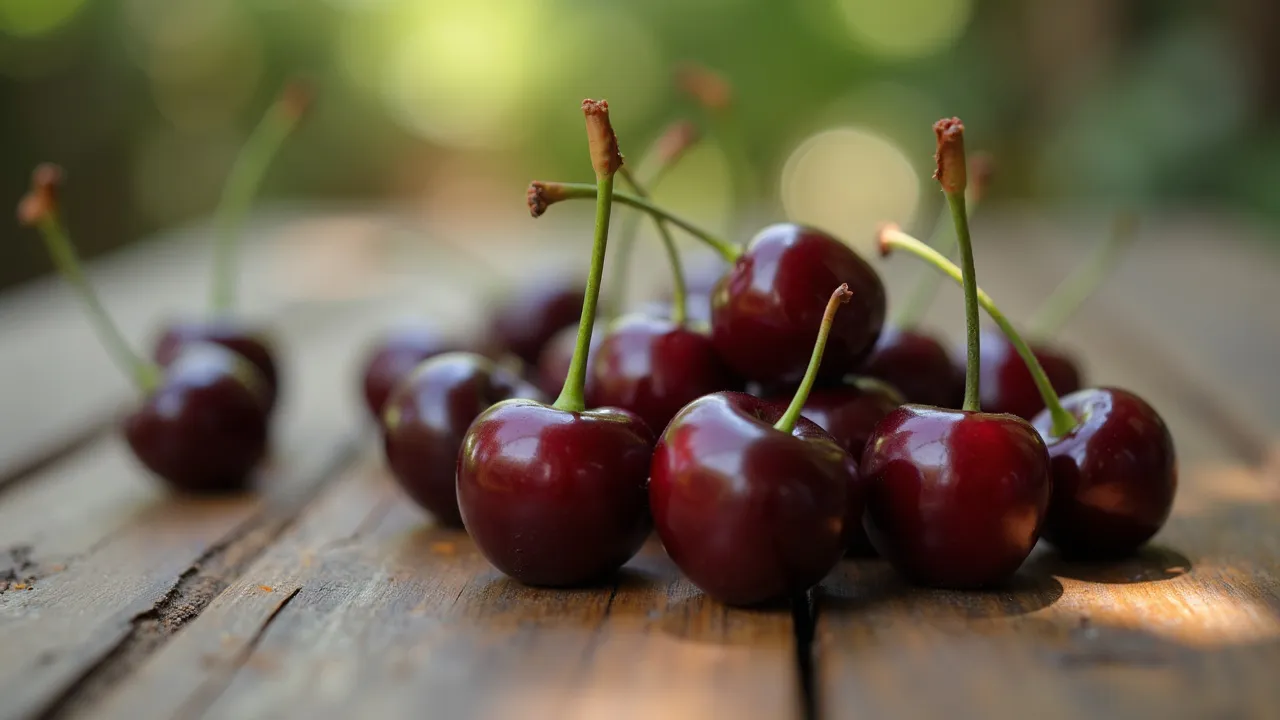
Celebrated annually on January 3rd, National Chocolate Covered Cherry Day honors the beloved confection combining sweet cherries and rich chocolate. This day invites indulgence in homemade or store-bought treats, exploring history and recipes.
The Historical Origins & Evolutionary Journey
National Chocolate Covered Cherry Day observed on January 3rd, is a sweet tribute to one of the world's most beloved confections. While the exact origin of the day remains unclear, its roots trace back over a century to the invention of chocolate-coated cherries in Europe and the United States.
The Foundational Catalyst
The earliest chocolate-covered cherries emerged in the late 19th century when chocolatiers began experimenting with filling chocolate shells with liquid centers. The cherry cordial, a cherry preserved in syrup and enrobed in chocolate, was patented in the early 1900s by companies like Cella's (1929) and Queen Anne (1900). These innovations made the treat widely available. By the 1950s, mass production techniques allowed chocolate-covered cherries to become a staple in candy aisles, especially around holidays.
The Legislative/Official Adoption
National Chocolate Covered Cherry Day is not an officially proclaimed federal holiday but rather a food observance popularized by candy manufacturers and confectionery associations. The National Confectioners Association and cherry growers likely promoted the day to boost sales in early January, a time when consumers are still enjoying holiday treats. It gained traction through social media and food blogs in the 2000s, becoming a fixture in food holiday calendars.
Modern Global Legacy
Today, the day is celebrated worldwide by cherry lovers and chocolate enthusiasts. It has spurred creative recipes, from cherry-chocolate cakes to vegan and sugar-free versions. The day also highlights the agricultural importance of tart cherries, which are the primary variety used in cordials.
How to Celebrate National Chocolate Covered Cherry Day
Whether you prefer classic cordials or innovative desserts, January 3rd offers endless ways to celebrate. Follow this definitive guide to make the most of this sweet day.
Classic Celebrations
Indulge in Traditional Cordials: Purchase a box of premium chocolate-covered cherries from brands like Queen Anne or Cella's. Enjoy them slowly to savor the liquid center.
Homemade Creations: Make your own using fresh cherries, dark chocolate, and a simple syrup. Dip cherries in melted chocolate and let set for a personal touch.
Cherry-Chocolate Baking: Bake brownies, muffins, or cakes that incorporate chocolate-covered cherries for a festive twist.
Interactive Traditions & Community
Host a Tasting Party: Invite friends to sample different brands and homemade versions. Rate each on chocolate quality and cherry texture.
Social Media Sharing: Post your cherry creations with the hashtag #ChocolateCoveredCherryDay to join a global community.
Pair with Wine or Coffee: The rich chocolate and tart cherry complement red wines like Merlot or a dark roast coffee.
Corporate & School Celebrations
Companies can host office candy exchanges, while schools may teach about cherry farming and chocolate history. Some retailers offer discounts on chocolate-covered cherries, encouraging bulk purchases.
Regional Variations
United States: The day is widely recognized, with candy stores promoting special deals.
Europe: Chocolate-covered cherries are often part of traditional holiday confections, especially in Belgium and Switzerland.
Japan: Cherry blossom season inspires limited-edition cherry-chocolate sweets.
The Art of Making Chocolate Covered Cherries
Ingredients and Techniques
Creating authentic chocolate-covered cherries requires precision. The cherry must be preserved in a syrup that becomes liquid over time due to the action of invertase, an enzyme added to the fondant. The chocolate shell must be tempered to achieve snap and shine.
Step-by-Step Process
- Select Maraschino cherries or fresh tart cherries.
- Soak cherries in a sugar syrup flavored with almond or vanilla extract.
- Form a fondant layer around the cherry (often with invertase).
- Dip the fondant-coated cherry in tempered dark, milk, or white chocolate.
- Allow to set for 24-48 hours for the center to liquify.
Modern variations include adding liqueurs like kirsch or brandy for an adult twist.
Nutritional and Cultural Impact
Nutritional Profile
Chocolate-covered cherries offer a mix of health and indulgence. Cherries contain antioxidants like anthocyanins, while dark chocolate provides flavonoids. However, sugar content is high, so moderation is key. A typical serving (3 pieces) contains about 200 calories.
Cultural Significance
Cherries have symbolized love and fertility in many cultures. Combining them with chocolate, a food of the gods in Aztec tradition, creates a potent symbol of romance. The day is often used to express affection, similar to Valentine's Day.
Global Variations and Traditions
While National Chocolate Covered Cherry Day is primarily US-focused, similar treats exist worldwide.
- France: Cerises enrobées de chocolat are often present in luxury chocolate boxes.
- Switzerland: Known for high-quality chocolate, Swiss brands produce gourmet chocolate-covered cherries.
- Italy: Amarene (sour cherries) are sometimes covered in dark chocolate.
- Australia: Cherry Ripe bars incorporate coconut and cherry in chocolate.
Regional dates vary, but January 3rd remains the primary US observance.
Economic Significance
Industry Data
The chocolate-covered cherry market is a niche segment of the global confectionery industry. In the US, annual sales exceed $200 million, with peak seasons around Valentine's Day and Christmas. January 3rd helps sustain consumer interest post-holiday.
Agricultural Impact
Tart cherries, a key ingredient, are primarily grown in Michigan, Wisconsin, and New York. The day raises awareness for cherry farmers and supports local agriculture.
Historical Timeline
Queen Anne candy company introduces first chocolate-covered cherries in the US.
Cella's patents a method for producing chocolate-covered cherries with a liquid center.
Mass production makes chocolate-covered cherries affordable and widely available.
National Chocolate Covered Cherry Day emerges as a food observance, promoted by confectionery associations.
Social media boosts the day's popularity, with food bloggers sharing homemade recipes.
Artisanal and dark chocolate versions gain traction, along with vegan and sugar-free options.