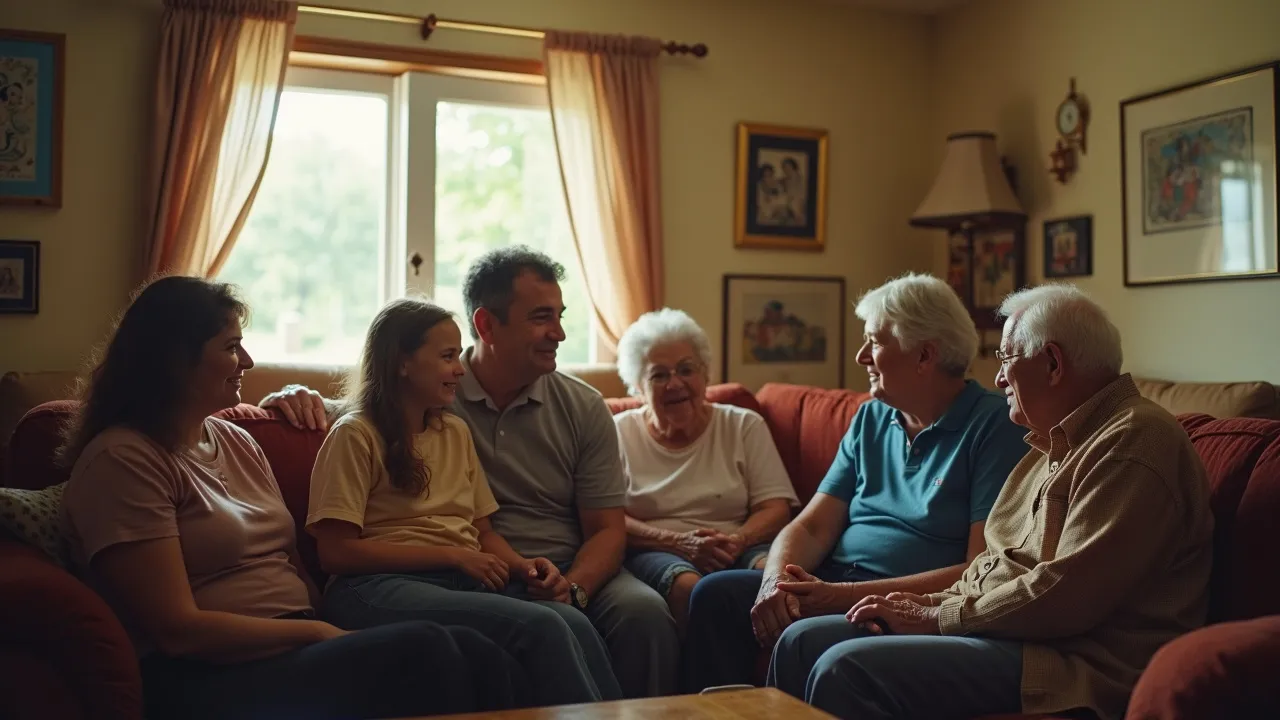
Observed on May 18th, Visit Your Relatives Day encourages families to bridge generational gaps by spending quality time with extended family. This day honors the importance of kinship bonds and communal connection.
The Historical Origins & Evolutionary Journey
Visit Your Relatives Day, observed annually on May 18th, has deep roots in the human need for familial connection. While its exact origins remain informal, the day evolved from early 20th-century family reunion movements in the United States and Europe.
The Foundational Catalyst
The industrial revolution and urbanization in the late 1800s caused families to scatter across cities and continents. By the 1910s, community leaders began promoting "family days" to counteract social fragmentation. In rural areas, annual trips to visit grandparents became a cherished tradition, often tied to spring harvests or religious holidays.
The Legislative/Official Adoption
Though never formally legislated, Visit Your Relatives Day gained traction through grassroots campaigns in the 1940s and 1950s. Local newspapers and church bulletins began listing it as a civic observance. By the 1970s, it appeared on novelty calendar compilations, and by the 1990s, digital calendar platforms like Outlook and Google Calendar included it as a recurring event.
Modern Global Legacy
Today, the day is recognized informally across the globe, with particular emphasis in North America, Europe, and parts of Asia. It serves as a reminder to prioritize family amidst busy modern schedules. Social media campaigns under hashtags like #VisitYourRelativesDay have amplified its reach.
How to Celebrate Visit Your Relatives Day
This section provides actionable strategies for individuals, schools, and organizations to honor the day meaningfully.
For Individuals and Families
- Plan a visit: Schedule an in-person visit to a relative you haven't seen in months. Bring a small gift or homemade treat.
- Virtual connection: If distance prevents travel, arrange a video call with extended family. Share photos and stories.
- Family heritage project: Create a digital family tree or record oral histories using a smartphone or voice recorder.
For Schools and Community Groups
- Organize an intergenerational event where students interview elderly relatives and present their stories.
- Host a "family traditions" potluck where families share dishes from their cultural heritage.
- Create a classroom bulletin board featuring photos and descriptions of students' relatives.
For Organizations and Workplaces
- Encourage employees to take a half-day off to visit family, especially those with aging parents.
- Set up a "family history" display in the office lobby featuring staff contributions.
- Sponsor a genealogy workshop or DNA testing event for employees.
Regional Variations
In Japan, a similar custom called "Obon" occurs in August. In Mexico, "Día de los Muertos" includes visiting deceased relatives' graves. In many European countries, the first Sunday after Easter is observed as "Family Day."
The Social & Psychological Benefits of Family Visits
Strengthening Bonds
Regular interactions with relatives reduce feelings of loneliness and strengthen the social fabric. Studies show that individuals who maintain close family ties have lower rates of depression and higher life satisfaction.
Preserving Cultural Heritage
Visits allow the transmission of traditions, recipes, and language from older to younger generations. This oral history is invaluable for cultural continuity.
Bridging Generational Divides
Meaningful conversations between elders and youth foster mutual understanding. Grandchildren often gain perspective and resilience from hearing about relatives' life challenges.
Key Research Findings
- Harvard Study of Adult Development: Close relationships are the strongest predictor of happiness and health in later life.
- Family Process Journal: Routine family visits lower cortisol levels and improve emotional regulation.
Global Traditions & Cultural Perspectives
United States
Often combined with Memorial Day weekend road trips to visit extended family. Many families host barbecues, share photo albums, and tell stories.
China
While the May 18th date is not traditional, the Qingming Festival in April focuses on ancestor visits. However, the concept of "family visit day" is increasingly promoted in urban areas to combat isolation.
India
Raksha Bandhan and Pongal involve visits to relatives. May 18th is sometimes adopted by expatriate communities to encourage international calls home.
Italy
La Festa della Famiglia (Family Day) is celebrated on the first Sunday after Easter, similar in spirit to Visit Your Relatives Day.
Emerging Trends
- Digital visits: Using VR headsets for immersive family gatherings across distances.
- Intergenerational volunteering: Families volunteer together at nursing homes or community gardens.
Economic Impact & Industry Connections
Travel and Hospitality
May 18th falls in a shoulder season for travel, making it an ideal time for airlines and hotels to offer family-focused promotions. Discounted family packages are common.
Retail and Gift Cards
Greeting cards, framed photos, and personalized gifts see a sales spike. Many retailers launch "Family Visit" mini-catalogs.
Food and Grocery
Family gatherings boost sales of picnic supplies, barbecue equipment, and baking ingredients. Ice cream and beverage brands often run family-themed ads.
Corporate Social Responsibility
Companies increasingly sponsor "Family Days" as employee wellness initiatives. Examples include paid family visit leave and subsidized reunion events.
Technology’s Role in Modern Family Visits
Video Calling
Platforms like Zoom and FaceTime have made long-distance visits possible. Many families schedule regular virtual dinners.
Social Media
#VisitYourRelativesDay trends on platforms like Instagram and Twitter, with families sharing candid photos and memories.
Genealogy Apps
Ancestry.com and 23andMe provide tools to discover relatives and build family trees, often motivating in-person reunions.
Privacy and Ethics
While technology facilitates connection, it also raises concerns about oversharing and data privacy. Families are encouraged to establish boundaries for online sharing.
Common Misconceptions & Clarifications
Not a Public Holiday
Visit Your Relatives Day is not a federally recognized public holiday. It is an observance that individuals choose to acknowledge.
Includes All Relatives
The day is not limited to blood relatives; step-families, adopted relatives, and chosen family members count.
Distance Is No Excuse
The day emphasizes effort over proximity. A phone call or letter is a valid way to participate.
Historical Note
Some sources claim the day was founded by the National Association of Senior Living Centers in 1998, but this is unverified.
Historical Timeline
Family reunions become popular in rural America as a way to reconnect after seasonal labor migrations.
First known newspaper mention of 'Family Day' in a local Ohio paper, encouraging visits to elderly relatives.
Postwar suburbanization leads to increased car ownership, making cross-country family visits more feasible.
Greeting card companies begin marketing 'Visit Your Relatives Day' cards, boosting its commercial profile.
The day is included in 'Chase's Calendar of Events', a standard reference for observances.
Internet genealogy boom encourages families to connect with distant relatives via online forums.
Social media campaigns using #VisitYourRelativesDay start trending in the U.S. and Canada.
COVID-19 pandemic shifts many visits to virtual platforms, but the day sees increased participation as people long for connection.
Many companies adopt 'Family Visit Day' as a paid leave day, recognizing work-life balance benefits.