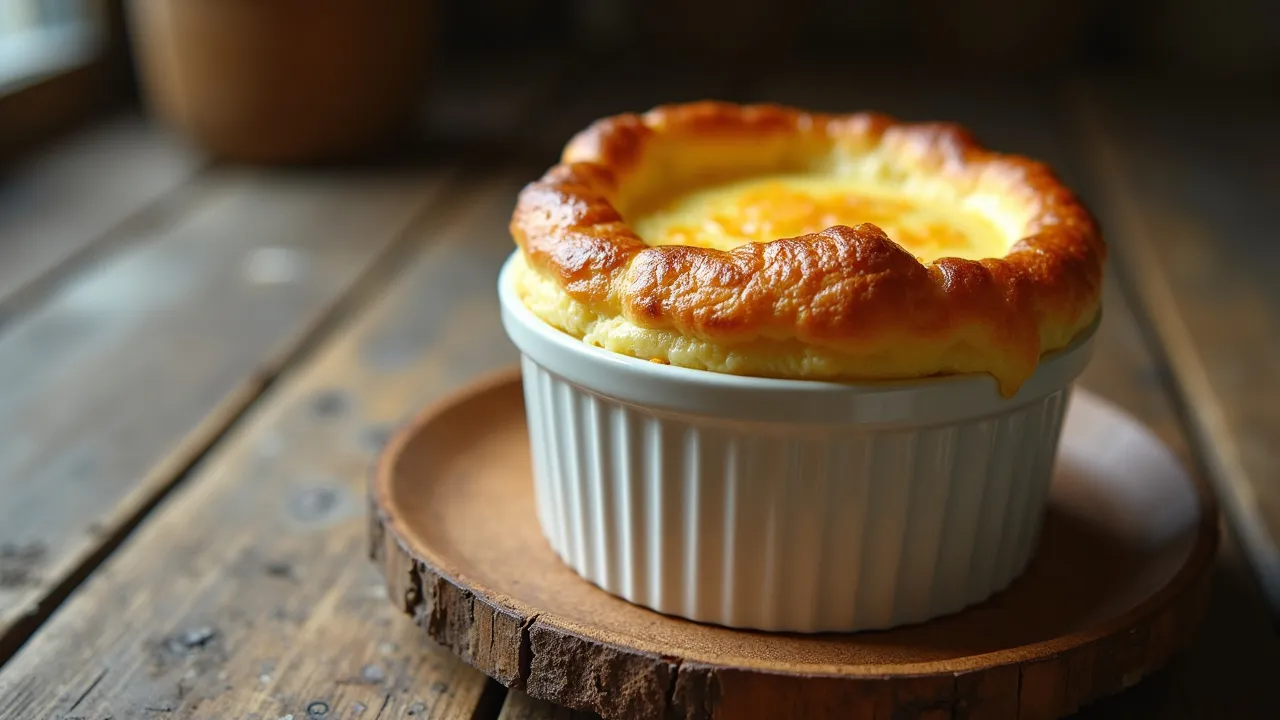
National Cheese Soufflé Day, recognized on May 18th, is a tribute to the elegant French baked egg dish. It encourages home cooks and chefs alike to master the art of the perfectly risen, airy cheese soufflé.
The Historical Origins & Evolutionary Journey
National Cheese Soufflé Day, observed on May 18th, honors one of the most iconic dishes in French culinary history. The soufflé, meaning "puffed" or "breath" in French, is a delicate baked dish made primarily from egg yolks, beaten egg whites, and a base such as cheese. Its origins trace back to the early 19th century.
The Foundational Catalyst
The earliest known recipe for a cheese soufflé appears in the works of the French chef Antoine Beauvilliers, who served the court of Louis XVI. However, it was Marie-Antoine Carême (often called "the king of chefs and the chef of kings") who refined the recipe and elevated soufflé to haute cuisine in the 1820s. Carême's masterpiece established the soufflé as a symbol of French culinary skill.
The Legislative/Official Adoption
While there is no legislative act establishing National Cheese Soufflé Day, it has been celebrated unofficially in the United States since the early 2000s, popularized by food blogs and culinary calendars. The day was likely designated by the National Day Calendar or similar organizations to encourage home cooks to attempt this challenging yet rewarding dish.
Modern Global Legacy
Today, cheese soufflé is enjoyed worldwide. With the rise of celebrity chefs like Julia Child, who famously demonstrated soufflé making on her TV shows, the dish has become a staple of dinner parties and fine dining. Whether served as a main course or an appetizer, the cheese soufflé remains a timeless classic.
How to Celebrate National Cheese Soufflé Day
Celebrating National Cheese Soufflé Day is all about embracing the art of soufflé making and sharing the experience with others. Here are actionable strategies for individuals, schools, and organizations.
At Home
- Master a Classic Recipe: Start with a simple cheese soufflé using Gruyère or cheddar. Follow each step carefully, especially folding egg whites.
- Host a Dinner Party: Invite friends for a soufflé-themed evening. Serve as a main course with a light salad and white wine.
- Experiment with Flavors: Add herbs, garlic, or different cheeses like blue cheese or goat cheese for a twist.
In Schools
- Cooking Classes: Teach students the science of soufflés, focusing on egg whites and heat conduction.
- Competitions: Organize a soufflé contest among home economics or culinary students.
Global Traditions
- France: In its birthplace, cheese soufflé is often served in bistros as a lunch dish, paired with a simple green salad.
- United States: Americans often see it as a showstopper for brunch or dinner parties, sometimes served with a béchamel sauce.
- Japan: Japanese adaptations include soufflé pancakes but also cheese soufflés made with creamy local cheeses.
No matter where you are, the key is to enjoy the process and share the puffy, golden result.
The Science Behind the Perfect Soufflé
Creating the perfect cheese soufflé requires understanding its key chemical reactions. The dish is a delicate balance of protein, starch, and air.
The Role of Egg Whites
Egg whites provide structure when beaten to stiff peaks. The proteins unfold and trap air bubbles. Gentle folding prevents deflation.
Stabilizers and Flavor
A roux-based sauce (butter, flour, milk) thickens the base. Cheese adds flavor and additional protein. Acid (like cream of tartar) stabilizes egg whites.
Heat and Rising
When baked at high heat (around 375°F), the air in the egg whites expands, causing the soufflé to rise. The heat sets the proteins, creating a firm yet tender structure.
Common Pitfalls
- Overbeaten egg whites: Becomes dry and loses elasticity.
- Underbeaten: Soufflé won't rise properly.
- Opening oven door: Cold air can cause collapse.
Global Variations of Cheese Soufflé
While the classic French cheese soufflé is legendary, cultures around the world have put their own spin on this dish.
French Classic
Traditional fromage soufflé uses Gruyère and sometimes Parmesan. It is often served as an appetizer or light lunch.
American Innovations
Americans often add sharp cheddar, bacon, or broccoli. Some versions incorporate blue cheese for a stronger taste. Soufflés are also made in large casseroles for sharing.
Swiss and Alpine Versions
Swiss variations use Emmental or raclette cheese, sometimes incorporating ham. The result is a hearty, comforting dish.
Asian Adaptations
In Japan, cheese soufflés are lighter, often served with a fluffy texture akin to Japanese cheesecake. In Korea, they appear in cafes as trendy brunch items.
Other Twists
- Mediterranean: Feta and spinach soufflé.
- Spicy: Pepper jack or chorizo-infused soufflé.
- Vegan: Substituting eggs with aquafaba and using vegan cheese.
The Culinary and Cultural Impact of the Soufflé
The soufflé, especially cheese soufflé, holds a special place in culinary history. Its reputation as a "difficult" dish makes it a symbol of culinary expertise.
Symbol of French Cuisine
Cheese soufflé represents the lightness and elegance of French cooking. It appears in countless cookbooks and is a rite of passage for chefs.
In Pop Culture
From Julia Child's famous television episodes to movies like Julie & Julia, the soufflé is a recurring motif symbolizing ambition and the fear of failure.
Modern Revival
In recent years, there has been a renewed interest in classic French techniques. Home baking during the pandemic led many to try soufflés, sharing photos on social media with hashtags like #SouffleDay.
Economic Impact
Specialty cookware like ramekins and soufflé dishes see increased sales around May 18th. Culinary schools often host workshops celebrating the day.
Perfect Pairings: Wine and Sides for Cheese Soufflé
A cheese soufflé can be a star on its own, but the right pairings elevate the meal. Consider the following recommendations.
Wine Pairings
- White Wines: A crisp Sancerre or Chablis complements the richness. For stronger cheeses, a fragrant Alsatian Riesling works well.
- Sparkling Wines: Champagne or Prosecco cut through the fat and refresh the palate.
- Red Wines: Light-bodied Pinot Noir can match earthy cheeses like Gruyère.
Side Dishes
- Salads: A simple green salad with vinaigrette balances the creamy soufflé.
- Vegetables: Roasted asparagus or steamed green beans add color and freshness.
- Bread: Crusty baguette slices for dipping.
Dessert Pairing
Complete the meal with a light fruit tart or sorbet to avoid heaviness.
Expert Tips for Beginners to Master the Soufflé
Many home cooks are intimidated by soufflés, but with these tips, you can achieve a perfect rise every time.
Preparation
- Read the Recipe Thoroughly and prepare all ingredients in advance.
- Butter and Flour the Ramekins generously to ensure a strong crust for rising.
- Separate Eggs While Cold – it's easier to separate whites from yolks when cold.
Technique
- Beat Egg Whites to Soft Peaks: Not too stiff, or they will be difficult to fold.
- Fold Gently: Use a rubber spatula in a cutting motion to incorporate whites without deflating.
- Fill Ramekins to the Rim: Level the top with a knife for even rising.
- Bake Immediately: Delaying can cause the soufflé to deflate.
Common Mistakes to Avoid
- Don't Open the Oven Door during the first 20 minutes.
- Use Fresh Eggs for better structure.
- Don't Overmix the Base: Overcooking the roux can make it too thick.
Practice makes perfect. Even a fallen soufflé tastes delicious!
Historical Timeline
Marie-Antoine Carême publishes a refined recipe for cheese soufflé, establishing it as a classic in French haute cuisine.
Julia Child features cheese soufflé on her television show 'The French Chef', bringing the dish to American households and demystifying its preparation.
National Cheese Soufflé Day is unofficially recognized in food blogs and calendar listings, with May 18th designated as the celebration date.
Social media platforms like Instagram and Pinterest fuel a resurgence of interest in soufflé making, with home bakers sharing tips and photos.
The day gains official recognition on nationaldaycalendar.com, solidifying its place in American food holiday culture.
During the COVID-19 pandemic, many home cooks attempt cheese soufflé as a baking challenge, leading to a surge in online recipe searches.