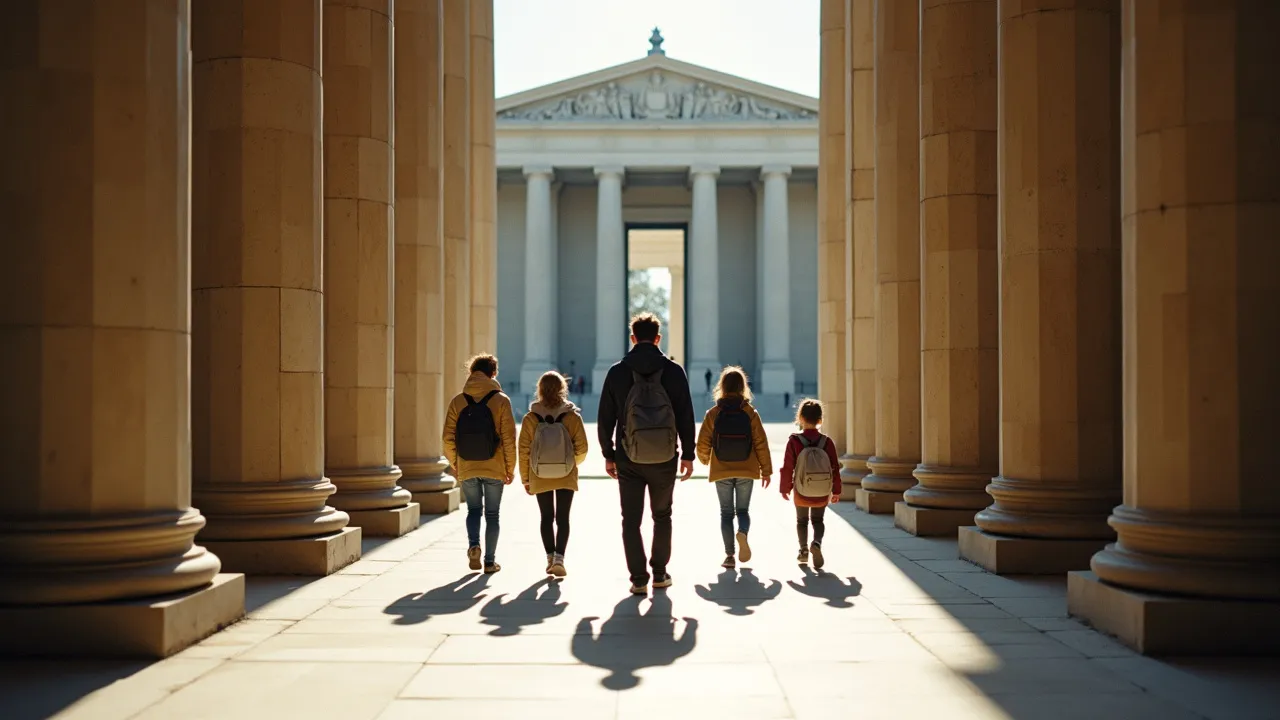
International Museum Day, celebrated annually on May 18th, highlights the role of museums as cultural hubs. Founded by ICOM in 1977, it promotes global awareness of museum diversity and their contribution to education and heritage.
The Historical Origins & Evolutionary Journey
International Museum Day (IMD) was established by the International Council of Museums (ICOM) in 1977. The idea was first proposed during the ICOM General Assembly in Moscow, aiming to create a day of unity and celebration for museums worldwide. Since then, IMD has grown into a global event, observed by over 145 countries and thousands of museums.
The Foundational Catalyst
In the post-war era, museums sought to redefine their role as not just repositories of artifacts, but as dynamic educational and cultural centers. ICOM recognized the need for a collective platform to raise public awareness about museums' contributions. The first IMD in 1977 had the theme "Museums and Cultural Heritage," emphasizing the link between museums and identity.
The Legislative/Official Adoption
ICOM's resolution at the 1977 General Assembly formalized May 18th as the date. The choice of May 18th was strategic, falling in the Northern Hemisphere spring and Southern Hemisphere autumn, allowing favorable weather for outdoor events. Over the years, ICOM's national committees and affiliated museums adopted the day, with many governments officially recognizing it.
Modern Global Legacy
Since 1997, ICOM has proposed annual themes, such as "Museums as Agents of Social Change" (2002) and "Museums in a Digital Age" (2015). The event now includes free admission, special exhibits, and night openings. The rise of social media has amplified its reach, with hashtags like #MuseumWeek engaging millions.
How to Celebrate International Museum Day
Participating in IMD is easy and fulfilling. Whether you are an individual, a school, or a cultural organization, here are actionable strategies.
For Individuals
- Visit a museum for free: Many museums offer free entry on May 18th. Check local listings.
- Share your experience: Post photos on social media using #InternationalMuseumDay.
- Attend a virtual tour: Many institutions host online exhibits and live streams.
For Schools and Educators
- Plan a field trip to a local museum on or before May 18th.
- Organize a classroom activity where students create their own mini-museum from objects at home.
- Invite a museum curator for a guest lecture via video call.
For Organizations
- Partner with a museum for a special event, such as a workshop or night opening.
- Encourage employees to volunteer at museums on IMD.
- Sponsor a free admission day for the community.
Global Traditions
In Europe, many museums participate in the "European Night of Museums," which often falls on the Saturday closest to May 18th. In Latin America, countries like Brazil and Argentina host street festivals with cultural performances. In Asia, museums in China and Japan often extend their hours and launch new exhibits. In Africa, community museums focus on indigenous heritage and storytelling.
The Impact of Museums on Society & Culture
Museums are custodians of human history, art, and science. They foster cultural identity and social cohesion by preserving collective memory. IMD underscores several key impacts:
Education and Lifelong Learning
Museums provide informal learning environments for all ages. Programs for children, students, and adults enhance critical thinking and creativity. Many museums offer interactive workshops, guided tours, and digital resources.
Economic Contributions
Museums drive tourism and local economies. According to ICOM, museums generate revenue through ticket sales, gift shops, and hospitality partnerships. IMD often sees a spike in visitor numbers, boosting local businesses.
Social Justice and Inclusion
Modern museums actively work to decolonize narratives and represent marginalized voices. IMD themes like "Museums for Equality" (2020) address issues of diversity and inclusion. Many institutions host dialogues on human rights and environmental sustainability.
Case Studies
- The British Museum (UK): Rounds of talks on repatriation and global heritage.
- Museu de Arte do Rio (Brazil): Community-led exhibitions on favelas.
- National Museum of African American History (USA): Programs on racial justice.
Technological Innovation in Museums
Technology has transformed how museums engage audiences. Digital collections, virtual reality (VR), and augmented reality (AR) enhance visitor experience. IMD showcases these innovations.
Virtual Tours and Online Exhibits
Since the COVID-19 pandemic, many museums have invested in 360-degree virtual tours. Platforms like Google Arts & Culture offer access to thousands of institutions. IMD 2024 featured a global online exhibition on climate change.
Interactive Installations
Touchscreens, holograms, and immersive projections allow visitors to interact with artifacts. For example, the Louvre's "Mona Lisa VR" experience lets users examine the painting in unprecedented detail.
Social Media and Crowdsourcing
Museums use Instagram, TikTok, and Twitter to share behind-the-scenes content. Campaigns like #MuseumSelfie on IMD encourage user-generated content. Crowdsourcing projects invite the public to transcribe historical documents or identify objects in archives.
Environmental Sustainability in Museums
Museums are increasingly addressing environmental challenges through sustainable practices. IMD raises awareness about climate action and green museums.
Reducing Carbon Footprint
Many museums are retrofitting energy-efficient lighting and HVAC systems. The Museum of Tomorrow in Rio de Janeiro is a model of sustainable architecture, using solar panels and rainwater harvesting.
Exhibitions on Climate Change
IMD often features exhibits on environmental themes, such as "Planet or Plastic?" at National Geographic Museum. These displays educate visitors about conservation and renewable energy.
Community Action
Museums partner with environmental groups for tree-planting drives and beach clean-ups on IMD. The Science Museum in London runs workshops on recycling and biodiversity.
Challenges Facing Museums Today
Despite their value, museums face significant challenges. IMD provides a platform to discuss these issues.
Funding and Budget Cuts
Many public museums rely on government funding, which is often reduced during economic downturns. Admission fees and donations are insufficient. IMD encourages policymakers to invest in cultural infrastructure.
Repatriation and Cultural Sensitivity
Debates over returning artifacts to countries of origin continue. Museums must navigate ethical questions while maintaining collections. IMD 2018 theme "Hyperconnected Museums" addressed global dialogues on provenance.
Digitization and Digital Divide
While digital access expands reach, it also creates a divide for communities without internet. Museums strive to provide equitable access, both online and offline.
Future Directions
- Increased collaboration with indigenous communities.
- Adoption of blockchain for provenance tracking.
- Development of mobile apps for personalized tours.
The Theme for International Museum Day 2025
Each year, ICOM selects a theme to guide celebrations. For 2025, the theme is "Museums and Community Resilience". This theme emphasizes how museums can help communities recover from crises, whether social, economic, or environmental.
Key Objectives
- Showcase museum programs that foster mental health and well-being.
- Highlight collaborative projects with local organizations.
- Promote cultural heritage as a tool for social cohesion.
Expected Activities
Museums worldwide will host resilience workshops, storytelling circles, and art therapy sessions. Online platforms will feature testimonials from community leaders. The theme aligns with the UN Sustainable Development Goals, particularly Goal 11 (Sustainable Cities and Communities).
Historical Timeline
International Council of Museums (ICOM) is founded, establishing a global network of museum professionals.
ICOM General Assembly in Moscow approves the creation of International Museum Day, to be celebrated annually on May 18th.
First official theme for IMD: 'Museums and Cultural Heritage' is introduced.
ICOM launches a yearly thematic approach, starting with 'Museums and Cultural Tourism'.
IMD expands globally with over 100 countries participating; the theme is 'Museums: Building Peace'.
The first 'European Night of Museums' is coordinated to coincide with IMD weekend.
Due to COVID-19, IMD goes digital, with online tours and virtual events reaching record audiences.
IMD theme: 'Museums and Community Resilience', focusing on recovery and social support.